No physical Joliet storefront is represented here. The site provides service-area information and a way to request help finding an appropriate transmission-focused option.
Joliet / Diagnostic First / Written Options
About Joliet Transmission
Review the scope and written terms for about joliet transmission before approving work on a Joliet-area vehicle near Jefferson Street.
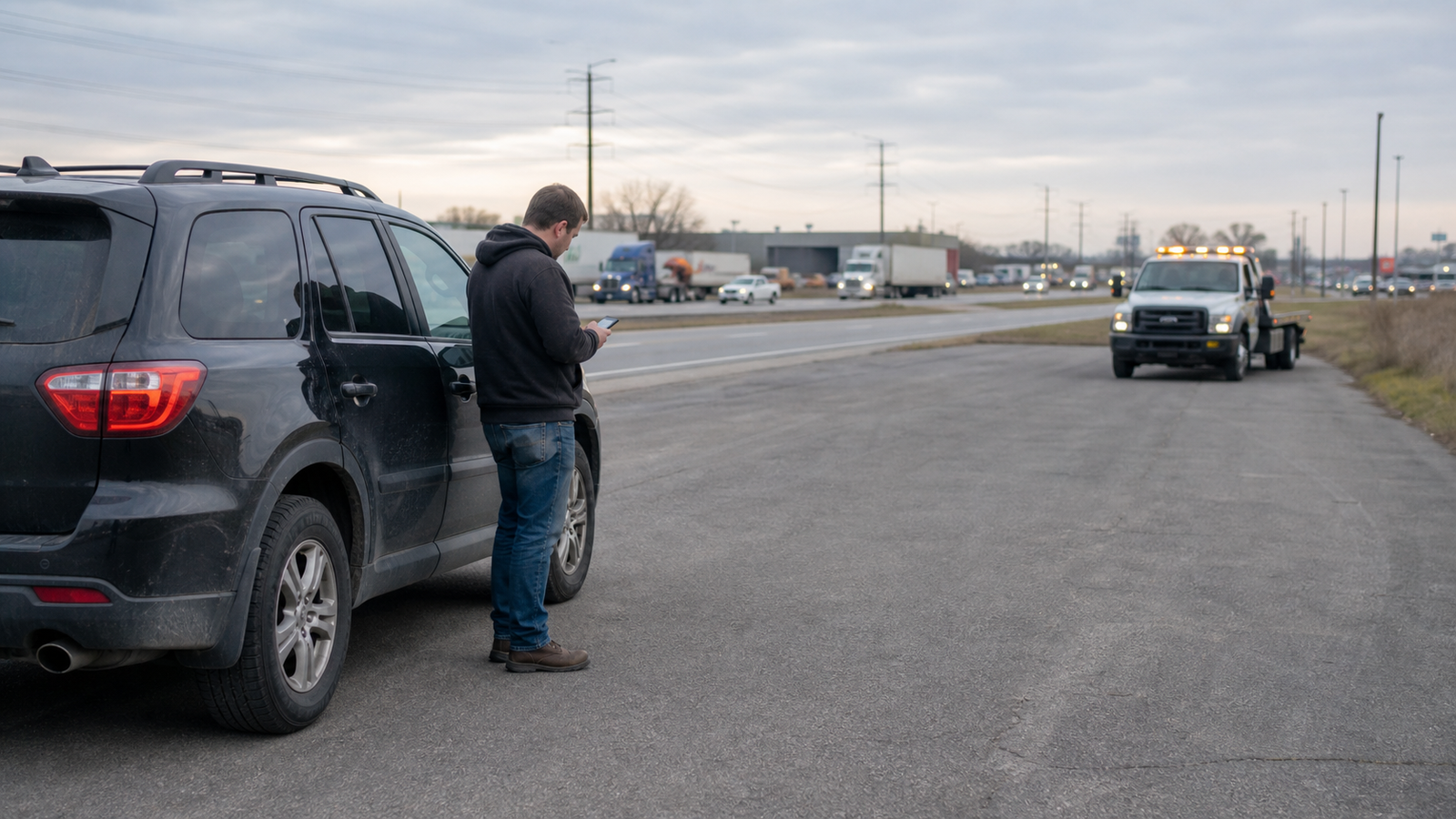
This is a Joliet-area transmission service-area website built to help drivers describe symptoms, understand tow risk, and compare diagnostic and repair paths. It does not present a walk-in storefront or claim that one physical facility sits in Joliet.
The useful standard is diagnosis before major work: identify the vehicle and unit, document the symptom, check fluid, leaks, codes, and operating evidence, then put repair, rebuild, or replacement scope in writing.
01
Service-Area Help Without a Fake Storefront
The website covers Joliet and nearby Will County communities but does not represent a walk-in building, service bay, or team of mechanics physically located at a Joliet address.
Keep the service-area request concrete by recording the vehicle, date, responsible party, observed condition, documents reviewed, and evidence still missing. That is more useful than another broad service promise. Write the observed condition and identify who is responsible for the next response.
A useful service-area request names what happens next near Joliet: monitor, park, tow, schedule a defined test, compare written terms, authorize a stated scope, or preserve records for follow-up. If responsibility or price is unclear, clarify it before the decision moves forward. Near Jefferson Street, the first priority is the present condition, not how quickly the vehicle can reach an appointment.
02
Why Diagnosis Comes Before a Major Quote
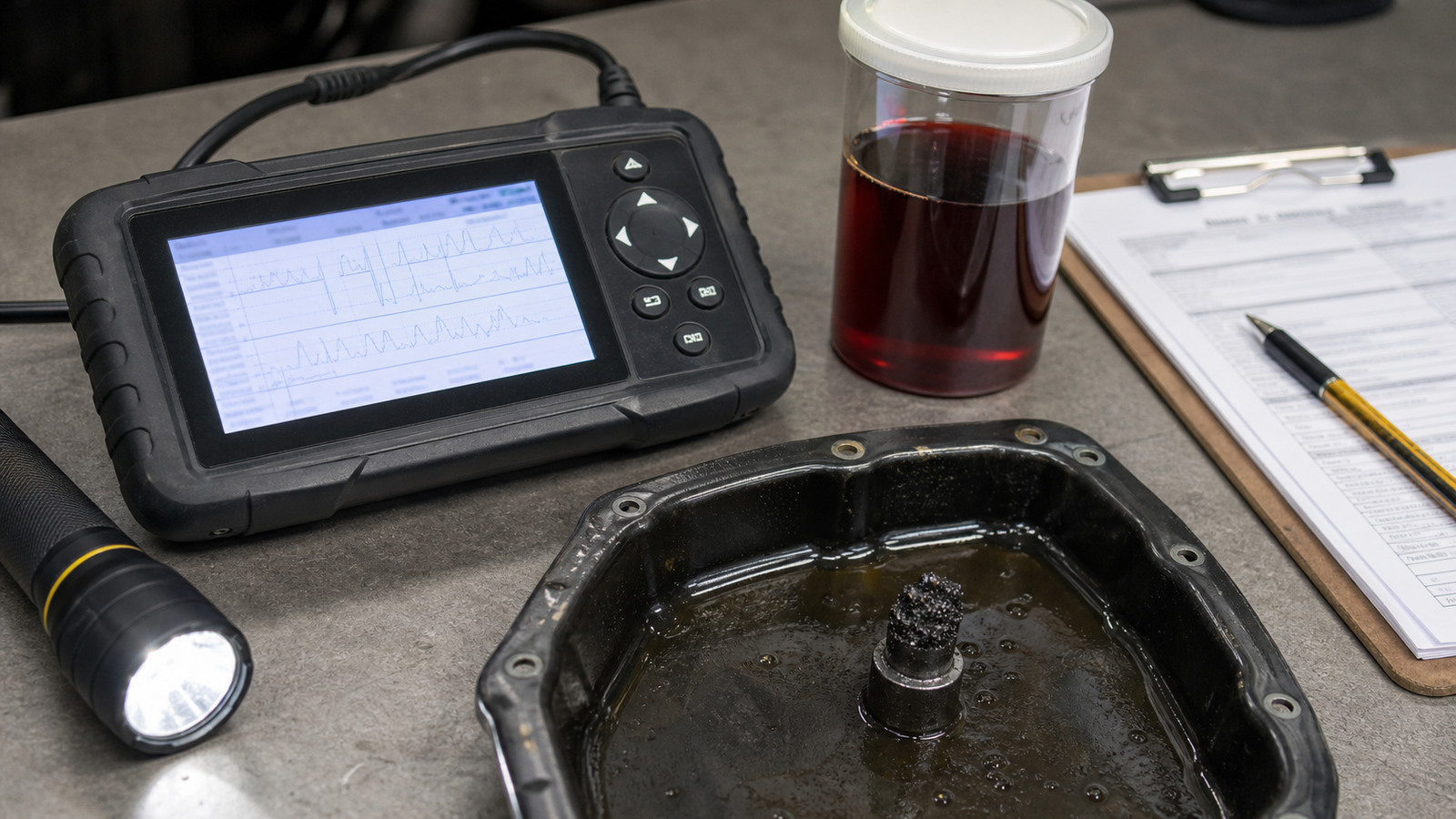
Transmission symptoms overlap across fluid, electrical, hydraulic, converter, driveline, and internal causes, so the service standard begins with evidence rather than a rebuild assumption.
Compare the service-area request from the same starting point: identified vehicle, written diagnosis, installed parts and labor, fluid, programming, taxes, possible additions, and warranty. A monthly payment or advertised starting number does not show the complete cost. A one-line price or promise is not enough while the underlying scope remains uncertain.
Before money or parts change hands, identify the current authorized limit and the event that would require another approval. That lets a Joliet-area driver compare the service-area request without turning uncertainty into an open-ended bill. For a driver comparing options from Joliet, the written total needs to match the work actually being discussed.
03
Vehicles and Driving Situations Covered
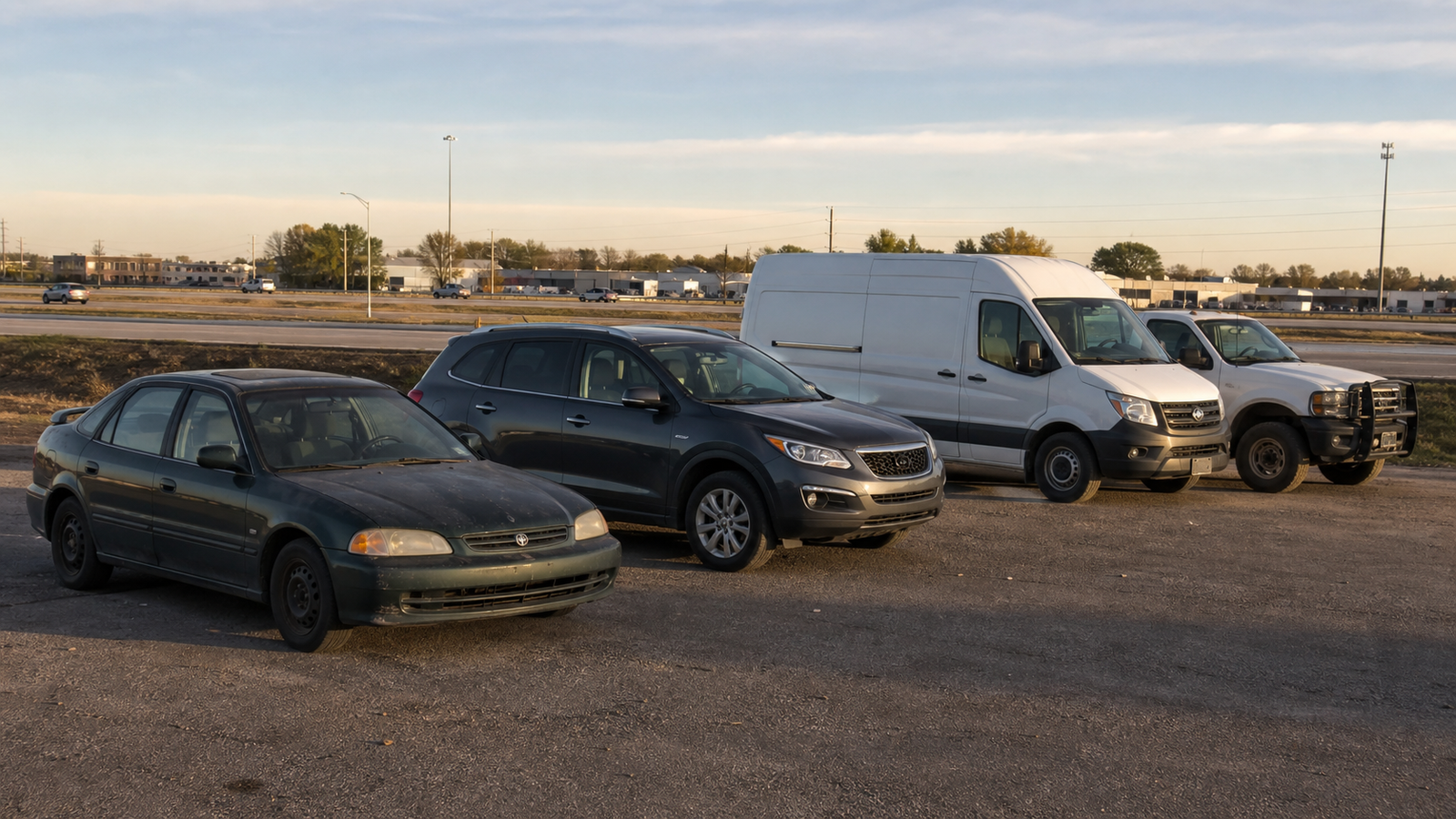
Requests may involve family cars, high-mileage SUVs, commuters, delivery vans, work trucks, and vehicles that developed trouble on I-80, I-55, or local Joliet corridors.
Keep the service-area request concrete by recording the vehicle, date, responsible party, observed condition, documents reviewed, and evidence still missing. That is more useful than another broad service promise. Account for how the vehicle is actually used, not only its age, mileage, or advertised value.
A useful service-area request names what happens next near Joliet: monitor, park, tow, schedule a defined test, compare written terms, authorize a stated scope, or preserve records for follow-up. If responsibility or price is unclear, clarify it before the decision moves forward. Use between Joliet and Shorewood can change load, heat, downtime, and the practical value of the proposed step.
04
What a Useful Request Includes
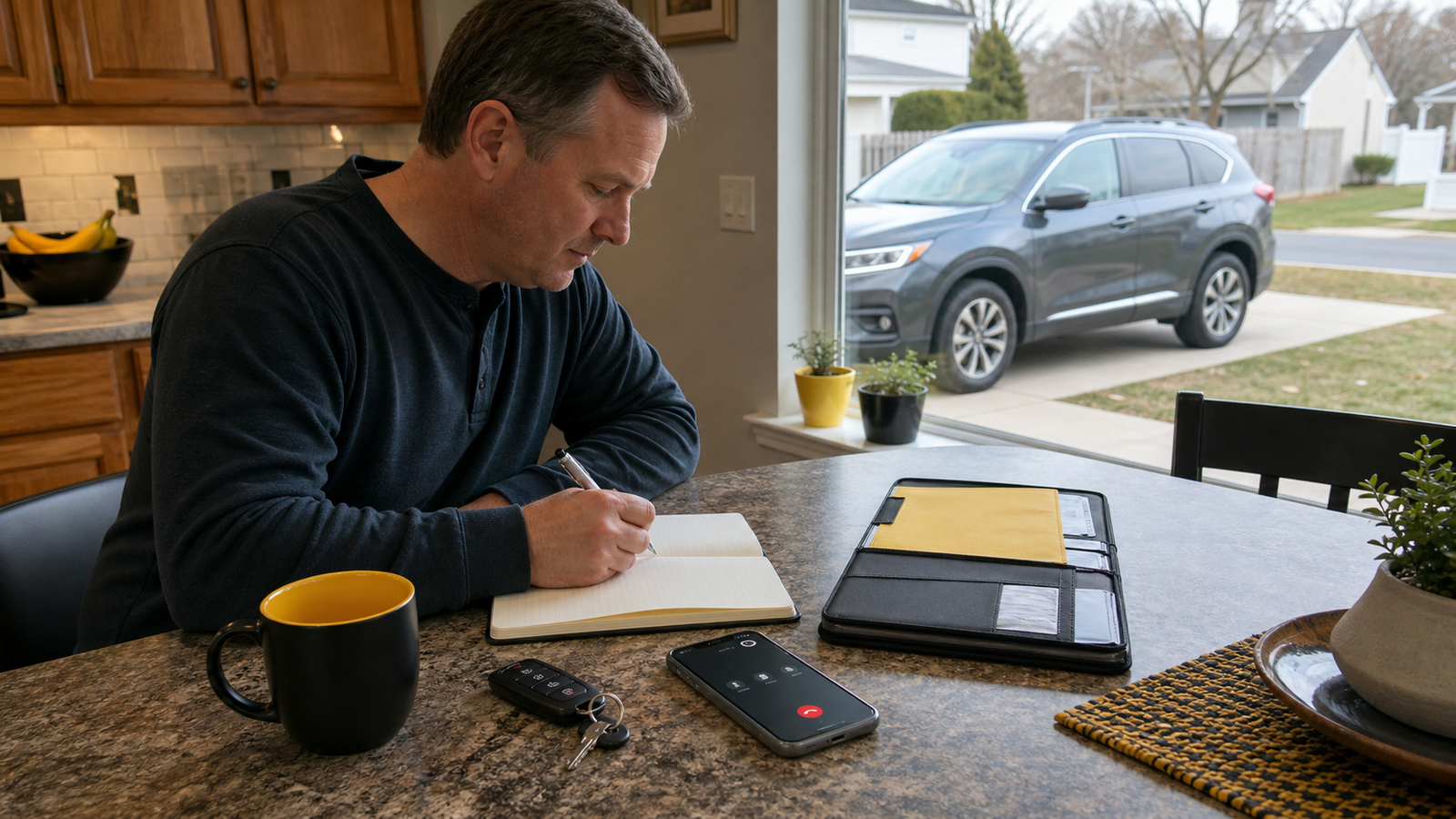
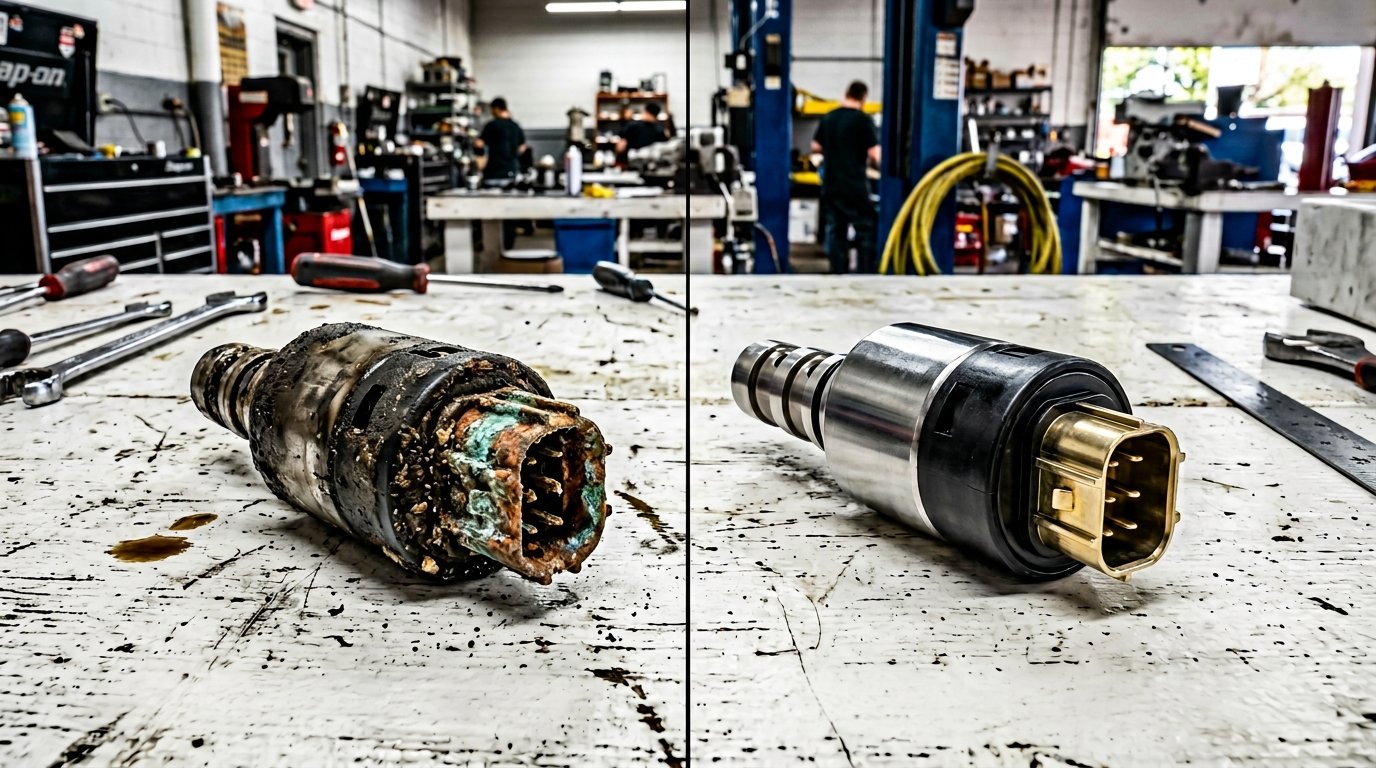
Year, make, model, mileage, warning messages, code printouts, leak details, service history, and hot-versus-cold behavior give the next conversation a practical starting point.
Useful records for the service-area request include the vehicle, mileage, symptom timing, warning messages, codes, leak photos, service history, and the city where it is parked. Leave out payment-card data, identity documents, and unrelated personal information. Photos, codes, invoices, and dated notes are more reliable than memory after the symptom or conversation changes.
Organize the message so another person can tell what happened, what remains uncertain, and whether the next contact concerns towing, diagnosis, pricing, authorization, or follow-up. That is more useful than repeatedly describing the problem as only a bad transmission. Preserve the evidence before codes are cleared, parts are removed, or the vehicle changes hands.
05
Tow Decisions Stay Symptom-Specific
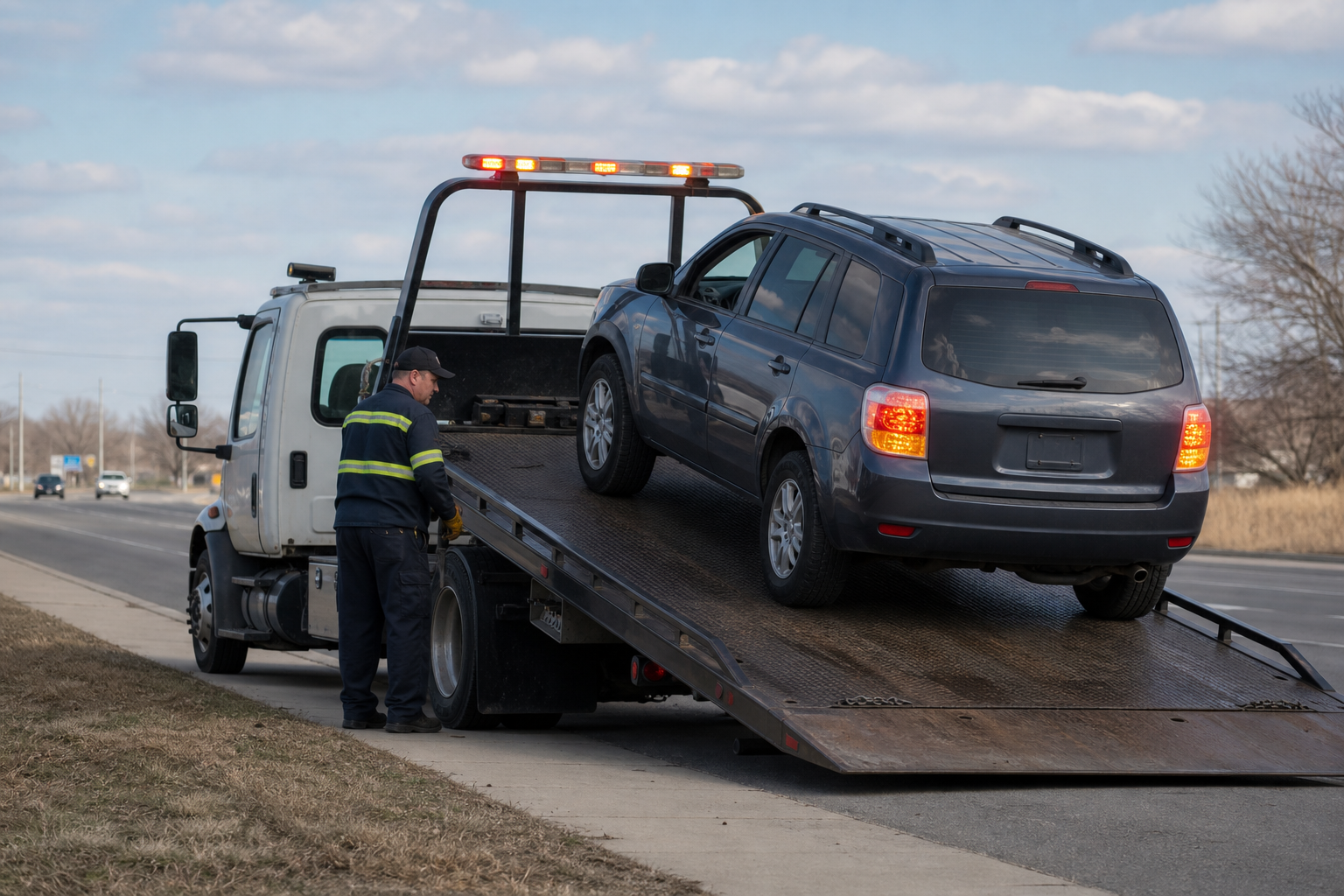
No website can promise that a slipping or leaking vehicle is safe to drive; severe slip, no engagement, overheating, grinding, or fast fluid loss should trigger a towing discussion.
For the service-area request, describe whether the vehicle still engages, holds gear, stops safely, leaks while parked, overheats, or creates a roadside hazard. A short trip near Jefferson Street is not automatically safe when control, fluid level, temperature, or braking has changed. Separate immediate safety from scheduling convenience and ordinary follow-up.
The next instruction should be unambiguous: leave it parked, arrange appropriate towing, contact emergency help, or schedule a controlled inspection. A website message connected with the service-area request cannot substitute for the person responsible for the vehicle making that immediate safety call. If the risk is active, direct roadside or emergency contact comes before an ordinary website reply.
06
Written Estimates Protect the Decision
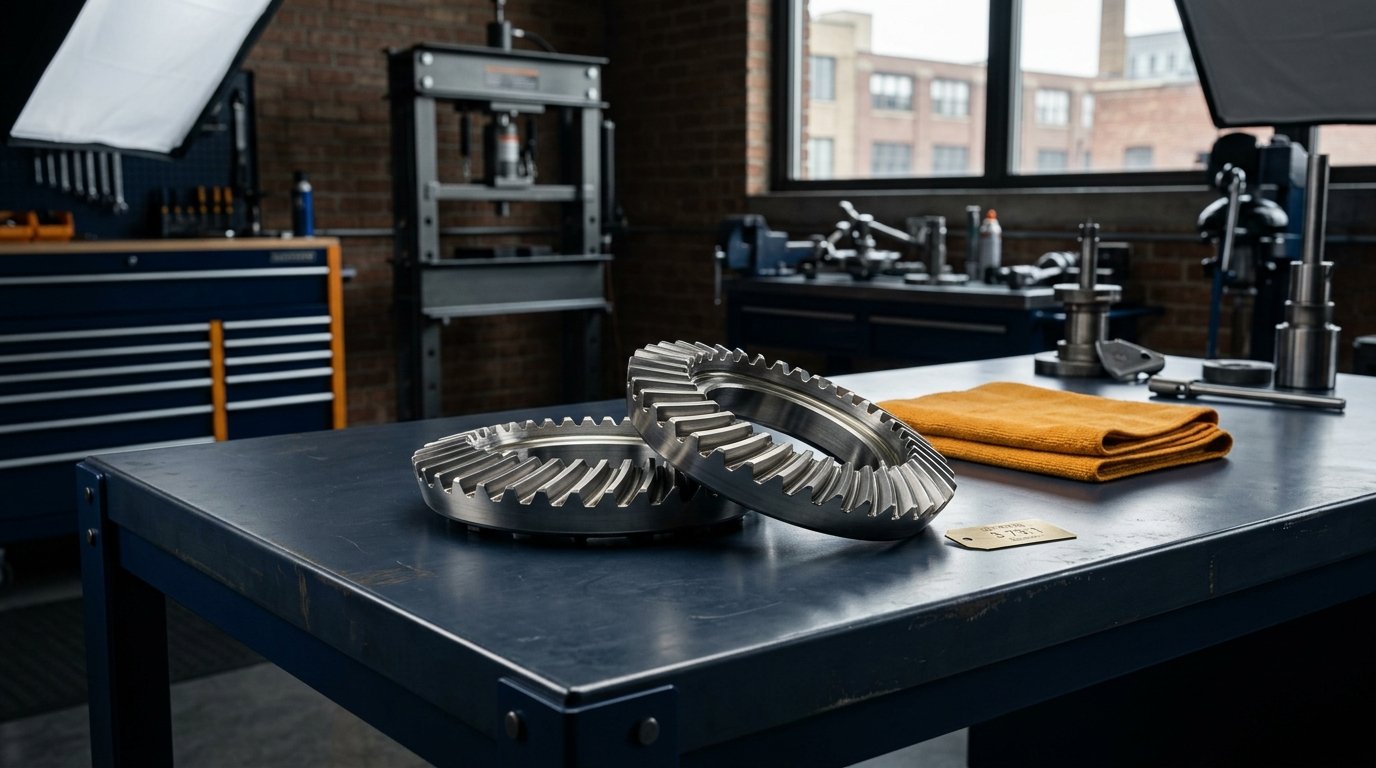
A responsible estimate separates diagnosis, parts, labor, fluid, converter and cooler work, programming, taxes, additions, warranty, and the next approval point.
Compare the service-area request from the same starting point: identified vehicle, written diagnosis, installed parts and labor, fluid, programming, taxes, possible additions, and warranty. A monthly payment or advertised starting number does not show the complete cost. Put confirmed work and possible additions on different lines before authorization.
Before money or parts change hands, identify the current authorized limit and the event that would require another approval. That lets a Joliet-area driver compare the service-area request without turning uncertainty into an open-ended bill. A later finding may change the plan, but it should not change the authorized total without another clear approval.
07
How Provider Terms Stay Separate
The actual provider must issue its own appointment, repair order, financing disclosure, offer terms, and warranty because this informational website cannot create those obligations.
Keep the service-area request concrete by recording the vehicle, date, responsible party, observed condition, documents reviewed, and evidence still missing. That is more useful than another broad service promise. Ask which person or company issues the document that controls the decision.
A useful service-area request names what happens next near Joliet: monitor, park, tow, schedule a defined test, compare written terms, authorize a stated scope, or preserve records for follow-up. If responsibility or price is unclear, clarify it before the decision moves forward. Website guidance can organize the question; only the responsible provider, lender, seller, buyer, or warranty issuer can create the controlling terms.
08
The Practical Joliet-Area Next Step
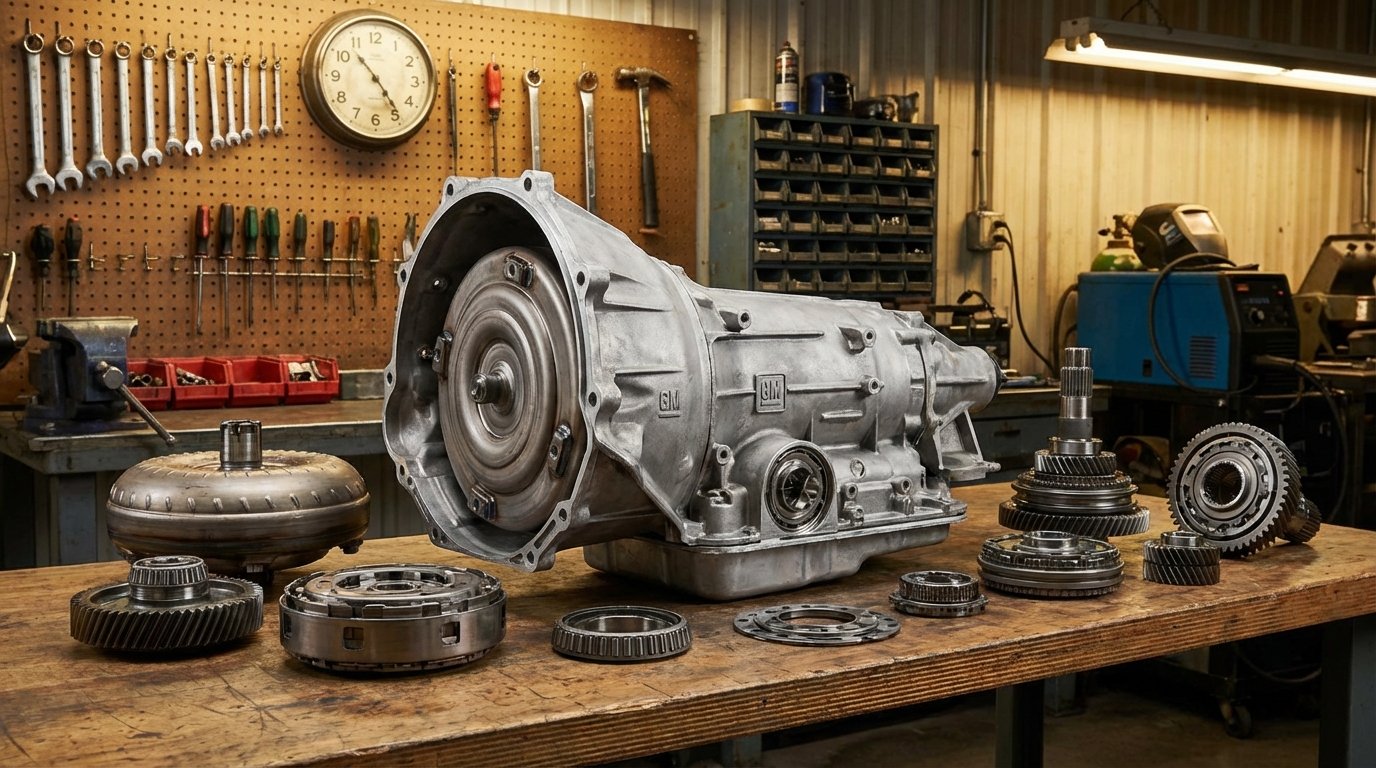
The goal is to match the symptom and location with a diagnostic or towing path, then let written evidence guide repair, rebuild, or replacement choices.
Keep the service-area request concrete by recording the vehicle, date, responsible party, observed condition, documents reviewed, and evidence still missing. That is more useful than another broad service promise. Finish with one named next action and a record the Joliet-area driver can keep.
A useful service-area request names what happens next near Joliet: monitor, park, tow, schedule a defined test, compare written terms, authorize a stated scope, or preserve records for follow-up. If responsibility or price is unclear, clarify it before the decision moves forward. The result should leave less uncertainty than the request started with.
Questions Before Major Work
Include the vehicle, mileage, warning lights, codes, leaks, recent service, exact symptom, and whether it is parked or still driving normally.
Ask for the diagnosed failure, included parts and labor, converter and cooler work, programming, additions, total price, and warranty in writing.
Start with the vehicle and the symptom.
Send enough detail to narrow a safe diagnostic next step without inventing a storefront or promising a repair before inspection.