Not from distance alone. If engagement takes several seconds, the vehicle lurches, slips after engaging, or shows a warning light, stop and describe the exact behavior before deciding to drive. A nearby destination does not make an unstable transmission safe.
Crest Hill / Diagnostic First / Written Options
Crest Hill Transmission Repair Help Near Joliet
Crest Hill drivers dealing with slipping, delayed engagement, leaks, or warning lights near Plainfield Road can compare tow, diagnosis, repair, rebuild, and replacement.

Crest Hill is close enough to Joliet that distance is rarely the main problem. The harder question is whether a vehicle that hesitates near Plainfield Road or bangs into gear around Theodore Street should make the short trip for diagnosis or stay parked for a tow.
Before authorizing major work, separate a low-fluid or leak concern from an electrical fault, solenoid or valve-body issue, converter problem, or internal damage. A written Crest Hill-area estimate should explain what was tested and why the recommended repair is more appropriate than a rebuild or replacement.
01
What Crest Hill Drivers Usually Notice First
A vehicle developing transmission trouble in Crest Hill can announce a problem through flare between shifts, delayed engagement, a hard bump into gear, shudder under light throttle, warning lights, or engine speed rising without matching road speed. The useful detail is not simply that it shifts badly. Note which gear or maneuver triggers it, whether the vehicle is cold or fully warm, and whether the symptom repeats near Plainfield Road, in neighborhood traffic, or only after a longer run toward Joliet. For transmission slipping, shifting problems, leaks, and repair decisions, keep this symptoms point in the written decision record before work is approved near Plainfield Road.
Small differences change the likely path for transmission slipping, shifting problems, leaks, and repair decisions. A hesitation selecting reverse after sitting overnight is not the same event as losing forward movement at a light. A vibration that follows vehicle speed may come from tires, axles, mounts, or the driveline, while a flare that follows a commanded shift points the diagnostic conversation elsewhere. Describe what the tachometer, speed, sound, and dashboard did together instead of asking for a price from one symptom word.
02
Driving and Towing Around Crest Hill
Driving around Crest Hill mixes short errands, stop-and-go signals, railroad crossings, highway merges, and summer heat. A problem that appears after crawling along Theodore Street may need a heat-soak road test, while a symptom that begins at highway speed needs data captured under a controlled load. The goal is to reproduce the complaint safely without turning one rough shift into additional clutch, converter, or gear damage. For transmission slipping, shifting problems, leaks, and repair decisions, keep this local point in the written decision record before work is approved near Plainfield Road.
For a daily driver whose mileage, maintenance history, and regular route matter, the route and load matter as much as mileage. Ask whether passengers, cargo, towing, delivery stops, steep ramps, or repeated cold starts were involved. If the vehicle usually travels between Crest Hill and Joliet, explain whether the concern began close to home or after sustained driving. That context helps a transmission-focused shop plan the scan, fluid inspection, lift check, and road test before the vehicle arrives. For transmission slipping, shifting problems, leaks, and repair decisions, keep this local point in the written decision record before work is approved near Plainfield Road.
03
When a Crest Hill Vehicle Should Stop and Be Towed
Do not keep driving transmission slipping, shifting problems, leaks, and repair decisions around Crest Hill when it is slipping badly, will not engage, is losing fluid quickly, smells burnt, overheats, or bangs into gear hard enough to affect control. Continuing toward Plainfield Road or onto a faster road can turn a manageable leak or control issue into internal damage. It can also leave the vehicle unable to move in traffic. Ask whether a flatbed or other appropriate tow is the safer next step.
A vehicle that still selects every range, holds gear, and shows no active leak may be suitable for a scheduled diagnostic visit, but that decision depends on severity and distance. Check the ground before moving, watch for a warning message, and stop if engine speed rises while road speed falls. Never promise that a vehicle is safe from a phone description alone; give the complete symptom story and let the receiving facility make the tow-or-drive call. For transmission slipping, shifting problems, leaks, and repair decisions, keep this safety point in the written decision record before work is approved near Plainfield Road.

04
Diagnosis Before Major Transmission Work in Crest Hill
Diagnosis for transmission slipping, shifting problems, leaks, and repair decisions should begin with identification and evidence. Confirm the year, engine, drivetrain, build information, mileage, service history, and the exact specific transmission assembly installed. Then retrieve engine and transmission module codes, freeze-frame or event data, temperature, commanded gear, input and output speeds, and adaptation values when the platform supports them. A generic parts-store code is a starting clue, not proof that the complete transmission needs replacement.
The first inspection should also look outside the case. Battery voltage, grounds, connectors, wiring near hot or moving parts, shift linkage, mounts, axles, cooler lines, and external leaks can imitate or contribute to transmission trouble. For fluid condition, leak, heat, and cooler-line diagnosis, the estimate should explain what was tested and what result moved the diagnosis toward fluid service, electrical repair, a solenoid or valve-body path, converter work, internal repair, rebuild, or replacement. For transmission slipping, shifting problems, leaks, and repair decisions, keep this diagnosis point in the written decision record before work is approved near Plainfield Road.

05
Scan Data, Road Test, and Repeatable Evidence for Crest Hill Drivers
A controlled road test for transmission slipping, shifting problems, leaks, and repair decisions is most useful when the complaint can be repeated without abusing the vehicle. The technician can compare commanded gear with actual ratio, watch slip speed, note converter clutch apply, and see whether a harsh event happens at the same throttle and temperature. If the vehicle is unsafe to drive, equivalent evidence may come from a lift inspection, scan data, pressure testing, fluid and pan findings, and checks performed without a public-road test.
Write down the conditions before the appointment: first start of the day, after twenty minutes, light throttle, hard acceleration, coastdown, reverse, a turn, or a merge near Theodore Street. That record prevents the familiar problem of a vehicle behaving normally during a short visit. It also keeps the diagnosis tied to repeatable facts rather than replacing parts because transmission slipping, shifting problems, leaks, and repair decisions has an online reputation for a certain failure.
06
Fluid, Heat, Leaks, and Service History for Crest Hill Drivers
Fluid information can narrow the transmission slipping, shifting problems, leaks, and repair decisions decision, but color alone does not diagnose a transmission. The correct fluid level and temperature procedure varies by unit. Low fluid may cause delayed engagement or aeration, while overfilling can foam the fluid. A red or amber spot may come from a pan seal, cooler line, axle seal, case connector, or another source. The leak location should be cleaned and confirmed before a repair is quoted.
A fluid service can help when maintenance is due and the unit is otherwise operating correctly. It cannot restore worn clutch material, repair a damaged pulley or gearset, or make an active pressure-control fault disappear. If the pan contains heavy friction material or metal, if the fluid smells sharply burnt, or if transmission slipping, shifting problems, leaks, and repair decisions already slips under load, pause before approving a flush. Ask what evidence supports service and what outcome is realistically expected.

07
Electrical, Solenoid, and Hydraulic Control Checks for Crest Hill Drivers
Modern transmission behavior depends on stable voltage, accurate speed and temperature signals, module communication, and properly commanded solenoids. For transmission slipping, shifting problems, leaks, and repair decisions, a wiring fault or sensor dropout may force a default gear or limp strategy that feels like an internal failure. The scan should reach the transmission controller, not only the engine module, and any communication, ratio, pressure, or solenoid code should be tested in context rather than treated as a parts order.
Control problems can still have a hydraulic or mechanical consequence. A commanded solenoid may work electrically while a worn bore leaks pressure, and an adaptation value may be compensating for developing clutch wear. That is why unit identification, pressure or scan evidence, fluid condition, shift timing, and internal debris must be considered together. Ask whether the recommended repair addresses the cause shown in testing and whether the unit should be rechecked for learned values, fluid level, leaks, and shift quality after the work. For transmission slipping, shifting problems, leaks, and repair decisions, keep this controls point in the written decision record before work is approved near Plainfield Road.

08
Evidence That Supports Internal Failure for Crest Hill Drivers
An internal-failure recommendation for transmission slipping, shifting problems, leaks, and repair decisions should be supported by more than age or mileage. Stronger evidence includes repeatable ratio error, excessive slip under a known command, failed pressure results, metal or substantial friction material in the pan, loss of a specific clutch or range, abnormal mechanical noise, or converter debris that has circulated through the cooling system. The written findings should connect that evidence to the failed function.
Before authorizing teardown, ask what competing explanations were ruled out. A mount can create a bang, an axle can create a shudder, low voltage can corrupt module behavior, and a cooler restriction can create heat-related symptoms. None of those possibilities means the transmission is healthy; they mean the diagnosis needs an ordered process. For a major transmission slipping, shifting problems, leaks, and repair decisions quote, clarity about evidence is more valuable than a fast one-line verdict.

09
When a Focused Repair May Be Enough for Crest Hill Drivers
A focused repair may be appropriate when transmission slipping, shifting problems, leaks, and repair decisions has a confirmed external leak, damaged wiring, a failed sensor, linkage trouble, a serviceable solenoid or valve-body concern, a mount issue, or another fault that does not require rebuilding the complete unit. The estimate should name the failed part or system, include the fluid and programming steps that apply, and explain what symptom the repair is expected to correct.
Ask what happens if inspection reveals a second issue after the initial repair begins. A good written path separates known work from contingent work and sets an approval point before costs expand. It should also state whether the cooling system needs flushing or replacement, whether adaptations or a relearn are required, and how the finished vehicle will be checked. That keeps a smaller transmission slipping, shifting problems, leaks, and repair decisions repair from becoming an open-ended authorization.
10
When a Rebuild Enters the Discussion for Crest Hill Drivers
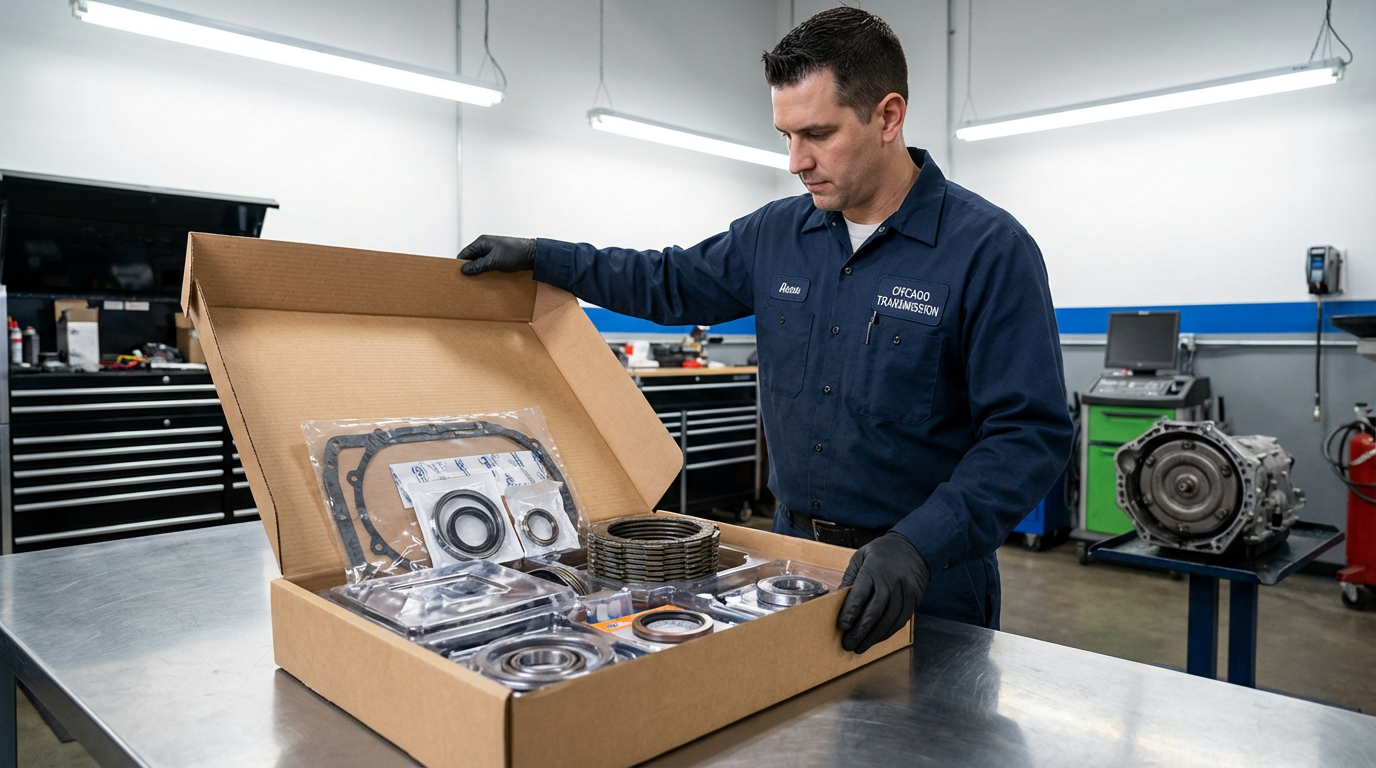
A rebuild enters the discussion when testing supports internal wear or damage but the original transmission slipping, shifting problems, leaks, and repair decisions case and major hard parts remain suitable for reconditioning. The term should mean more than replacing the visibly failed piece. Ask which wear items, seals, friction components, bushings, updates, converter work, valve-body checks, and cooler procedures are included for this specific unit and which damaged hard parts would change the price.
Rebuild quality depends on diagnosis, parts selection, measurement, cleanliness, calibration, and final testing. Compare warranty duration, mileage limit, labor coverage, exclusions, and who handles a problem if the vehicle is away from Crest Hill. A lower quote may omit the converter, programming, cooler, tax, or hard-part allowance. Put each quote on the same scope before deciding that one transmission slipping, shifting problems, leaks, and repair decisions rebuild costs less than another.

11
Used, Remanufactured, and Replacement Choices for Crest Hill Drivers
Replacement may make sense when transmission slipping, shifting problems, leaks, and repair decisions has extensive hard-part damage, when a verified remanufactured unit offers a clearer warranty and timeline, or when teardown risk is high. A used transmission can reduce the starting price, but its mileage, donor identification, storage history, fluid condition, and warranty matter. The receiving facility should verify interchange by VIN, build code, calibration, and drivetrain rather than relying only on model name.
A remanufactured option should identify the supplier, included converter or related parts, required cooler procedure, programming responsibility, freight or core charges, and nationwide warranty process if offered. Compare the installed total and expected downtime with rebuilding the original unit. For an older vehicle, also compare the repair spend with rust, engine condition, suspension needs, and how long the owner intends to keep it. For transmission slipping, shifting problems, leaks, and repair decisions, keep this replacement point in the written decision record before work is approved near Plainfield Road.

12
What a Written Estimate Should Separate for Crest Hill Drivers
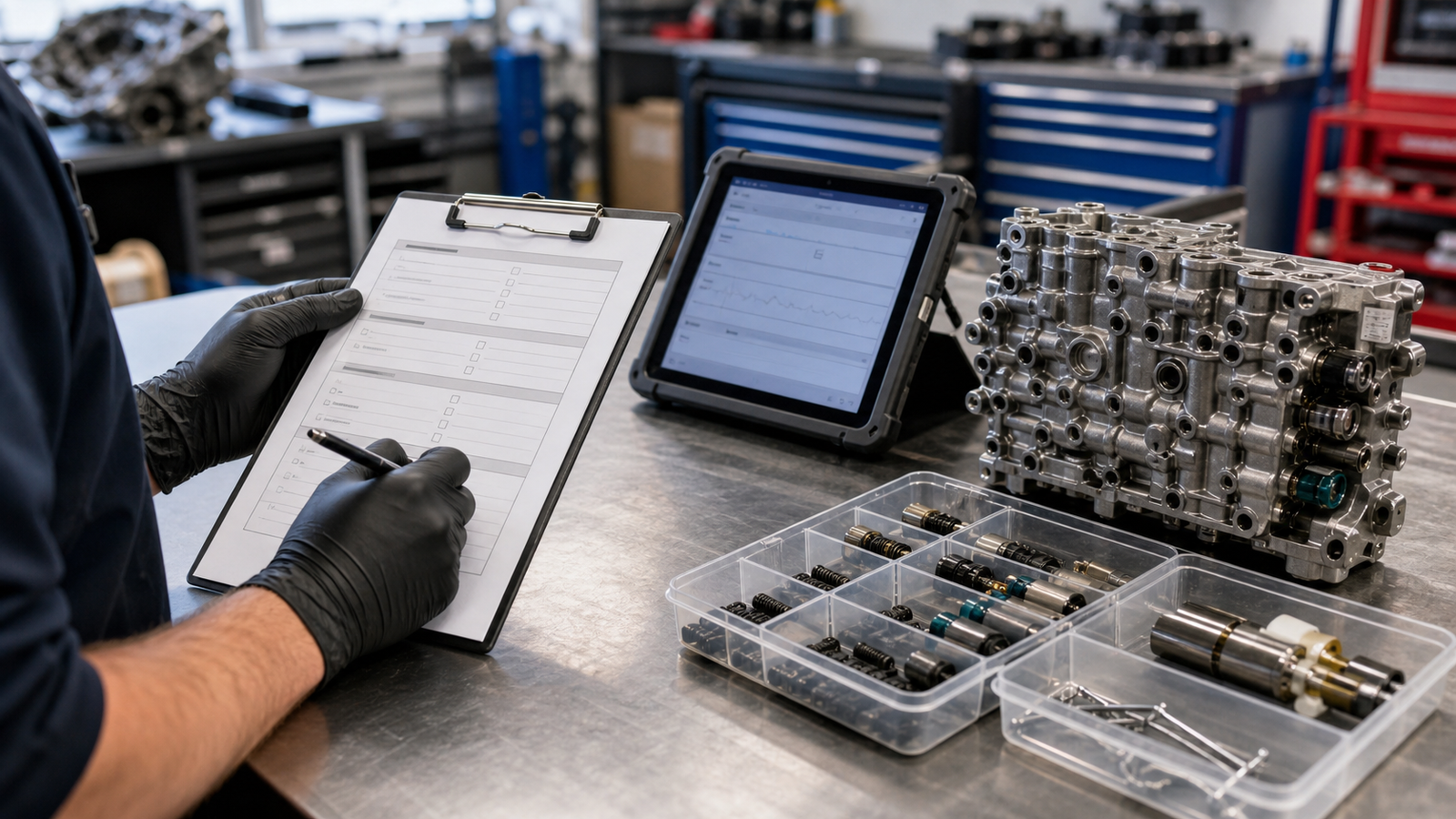
A useful written estimate for transmission slipping, shifting problems, leaks, and repair decisions separates diagnosis, parts, labor, fluid, converter, programming, cooler work, taxes, towing, teardown authorization, and possible hard-part additions. It should state whether the number is a firm repair quote, an estimate pending disassembly, or one option in a repair-versus-rebuild-versus-replacement comparison. Keep copies of codes, inspection notes, photos, and any earlier dealer or chain estimate.
Before signing, ask what evidence supports the recommendation, whether the vehicle can be driven, what warranty applies, what is excluded, how long parts may take, and when another approval is required. If a quote jumps directly from a symptom to a complete unit, ask for the missing diagnostic steps. Spending a few minutes clarifying the transmission slipping, shifting problems, leaks, and repair decisions scope can prevent thousands of dollars in misunderstood or duplicated work.
13
Vehicle Value, Downtime, and the Longer View for Crest Hill Drivers
Mileage does not decide the transmission slipping, shifting problems, leaks, and repair decisions repair by itself. Consider the vehicle's engine and body condition, maintenance records, tire and brake needs, rust, current loan balance, replacement-vehicle cost, and how essential it is for work or family use. A well-kept high-mileage vehicle may justify a durable repair, while a lower-mileage vehicle with several major needs may call for a narrower plan.
Downtime also has a real cost around Crest Hill. A work truck near Plainfield Road, a delivery vehicle running between suburbs, and a family vehicle needed for school schedules do not carry the same tolerance for uncertain parts lead times. Ask for realistic scheduling and whether the vehicle must remain at the facility while parts are sourced. The best transmission slipping, shifting problems, leaks, and repair decisions decision balances evidence, total installed cost, warranty, and practical use.

14
Post-Repair Checks and Records for Crest Hill Drivers
Completion should include more than handing back the keys after transmission slipping, shifting problems, leaks, and repair decisions work. The final check should confirm fluid level at the specified temperature, no active leaks, stable module communication, cleared or resolved codes, and the expected shift or engagement behavior under the conditions that originally produced the complaint. If programming, adaptation reset, or a drive cycle applies, the invoice should say what was performed and what may continue learning.
Keep the final transmission slipping, shifting problems, leaks, and repair decisions invoice, diagnostic findings, parts information, warranty terms, and recommended recheck interval. Watch the parking spot and note any warning light, new noise, flare, shudder, or delayed engagement during the first drives around Crest Hill. Report a returning symptom promptly instead of waiting until the vehicle cannot move. A clear post-repair record protects both the owner and the facility that performed the work.
15
A Practical Next Step From Crest Hill
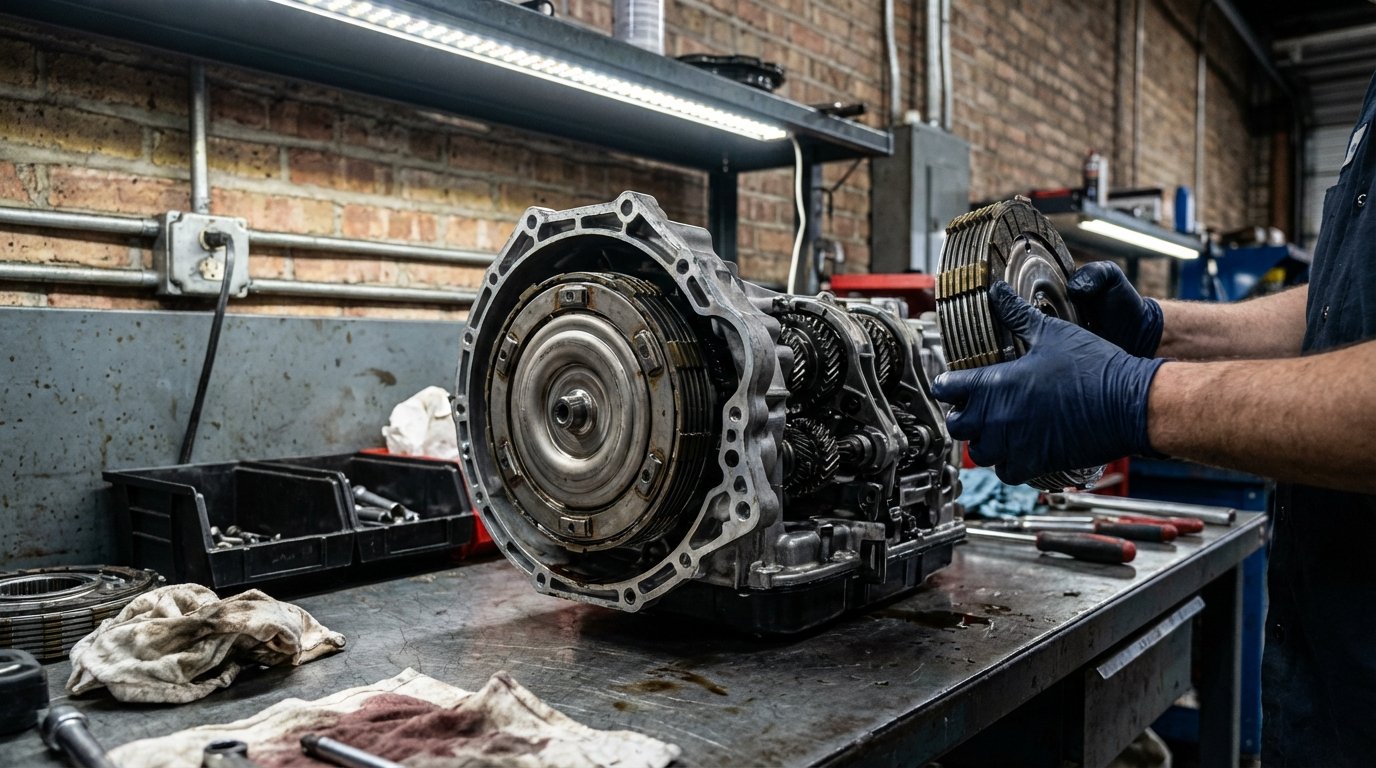
Prepare for a transmission slipping, shifting problems, leaks, and repair decisions conversation by sending the year, make, model, mileage, drivetrain if known, warning lights, code printout, leak location, service history, and a plain description of what changed. Include whether it happens cold or hot, in reverse or forward, under light or heavy throttle, and whether the vehicle is currently parked near Crest Hill or still moving normally.
If it is slipping badly, leaking heavily, not engaging, overheating, or stuck in one gear, ask about towing before attempting another trip on Theodore Street. If it remains stable, arrange diagnosis before approving major work. The immediate goal is not to sell a rebuild from a message. It is to narrow the safest next step and make sure any repair, rebuild, or replacement recommendation arrives with understandable evidence and a written scope. For transmission slipping, shifting problems, leaks, and repair decisions, keep this next step point in the written decision record before work is approved near Plainfield Road.
Questions Before Major Work
Provide the year, make, model, mileage, warning lights, recent service, fluid spots, and whether the symptom is worse cold, hot, in reverse, or under acceleration. Those details narrow the test plan before parts are discussed.
Yes. The estimate should identify diagnosis, parts, labor, fluid, programming, taxes, warranty, and any teardown authorization separately so you know what is approved now and what requires another decision.
Get a nearby next step before making the short drive from Crest Hill.
Describe the shift, leak, or warning light and find out whether the practical next move is a diagnostic appointment or a tow toward Joliet-area help.