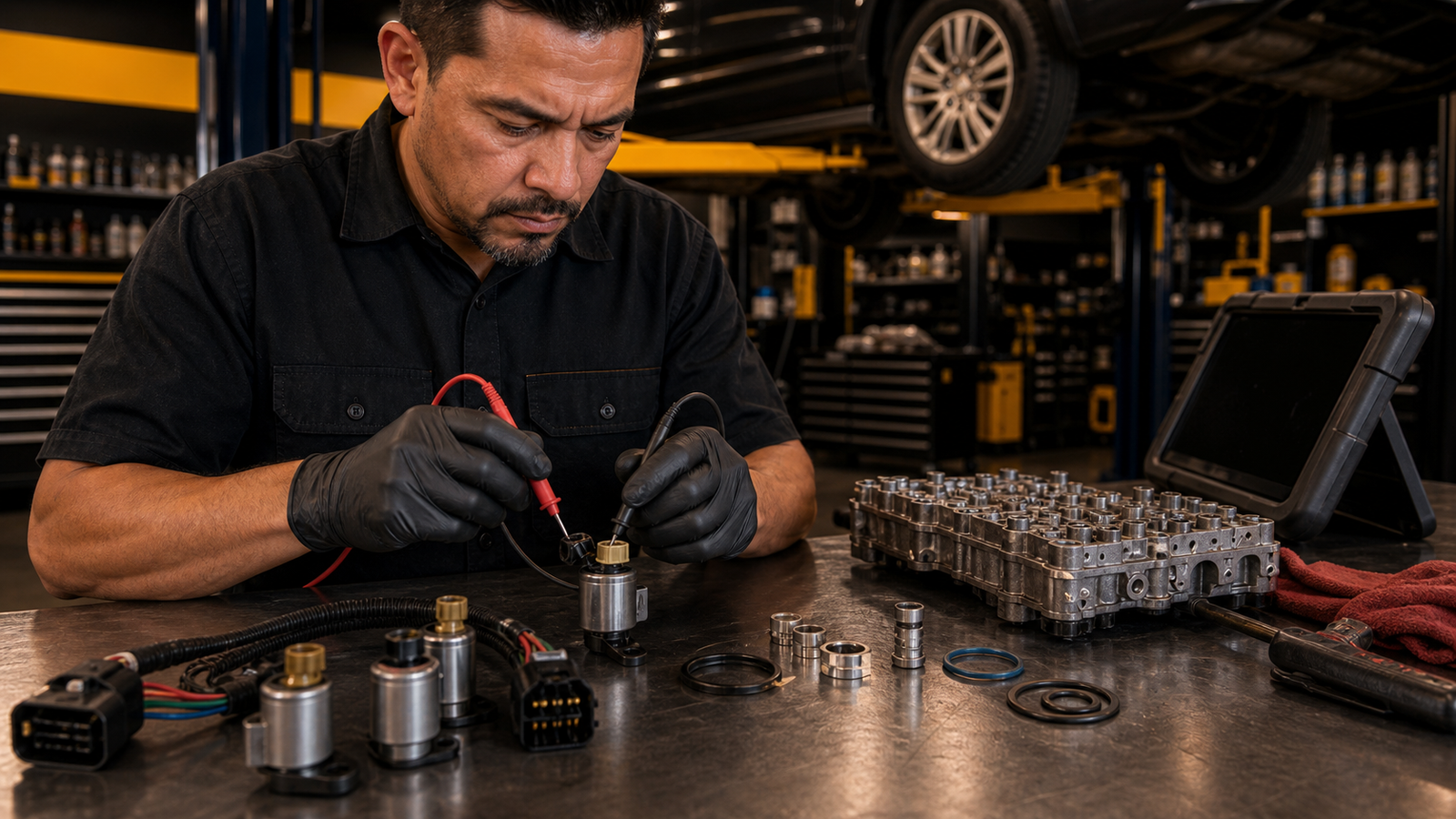
Examples include a cooler line, seal, wiring, sensor, solenoid, valve body, control module, or converter repair when testing shows the rest of the unit can remain in service.
Joliet / Diagnostic First / Written Options
Transmission Repair Help in Joliet
Understand what transmission repair should include, which findings support it, and what a Joliet-area written estimate should settle before work begins near Jefferson.
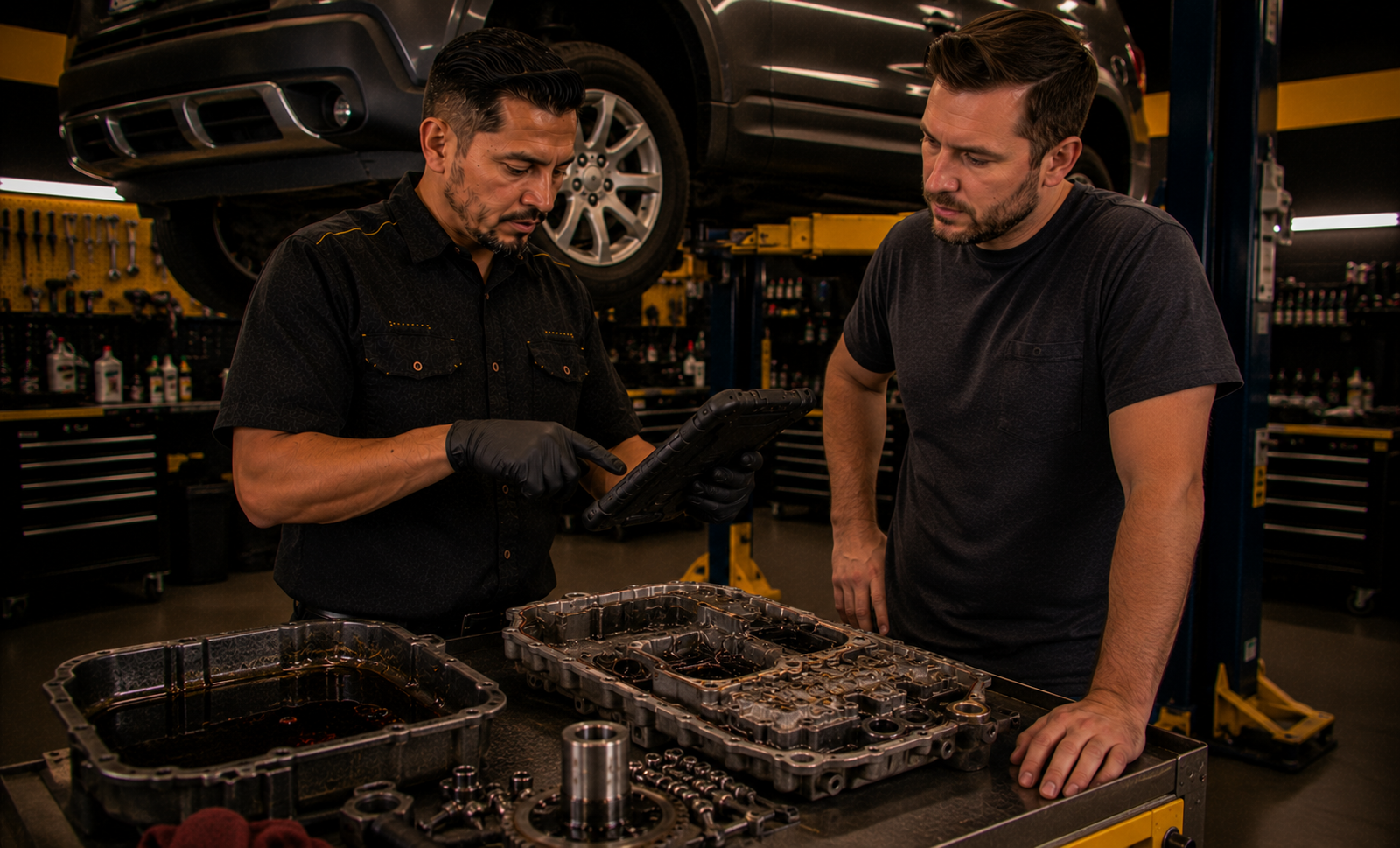
Transmission repair is the broad path for a confirmed leak, wiring fault, sensor problem, solenoid or valve-body issue, converter concern, or limited internal failure. A slipping vehicle near Larkin Avenue should not be sold a generic repair before the failed function is identified.
For Joliet and nearby Will County drivers, the estimate should say what is being repaired, what is being reused, which fluid and programming procedures apply, and what evidence would change the scope. Rebuild or replacement belongs in the discussion only when a focused repair is not supported.
01
What Transmission Repair Is Meant to Address
Transmission Repair should solve a defined condition rather than act as a catch-all label. The request should identify the symptom, failed system, and expected result before parts or labor are approved.
For Transmission Repair, write down the complaint in the driver's words and the function the service is expected to restore. A name on an estimate is not enough when a family vehicle and a work truck can need different labor, parts, testing, and downtime planning.
The first decision is whether Transmission Repair matches the diagnosed problem at all; only then should price and scheduling drive the Transmission Repair conversation.
For a vehicle coming from Shorewood, confirm whether the first visit is inspection, diagnosis, disassembly, or completed Transmission Repair; those are different commitments with different prices and time requirements.
02
Symptoms to Document Before Transmission Repair
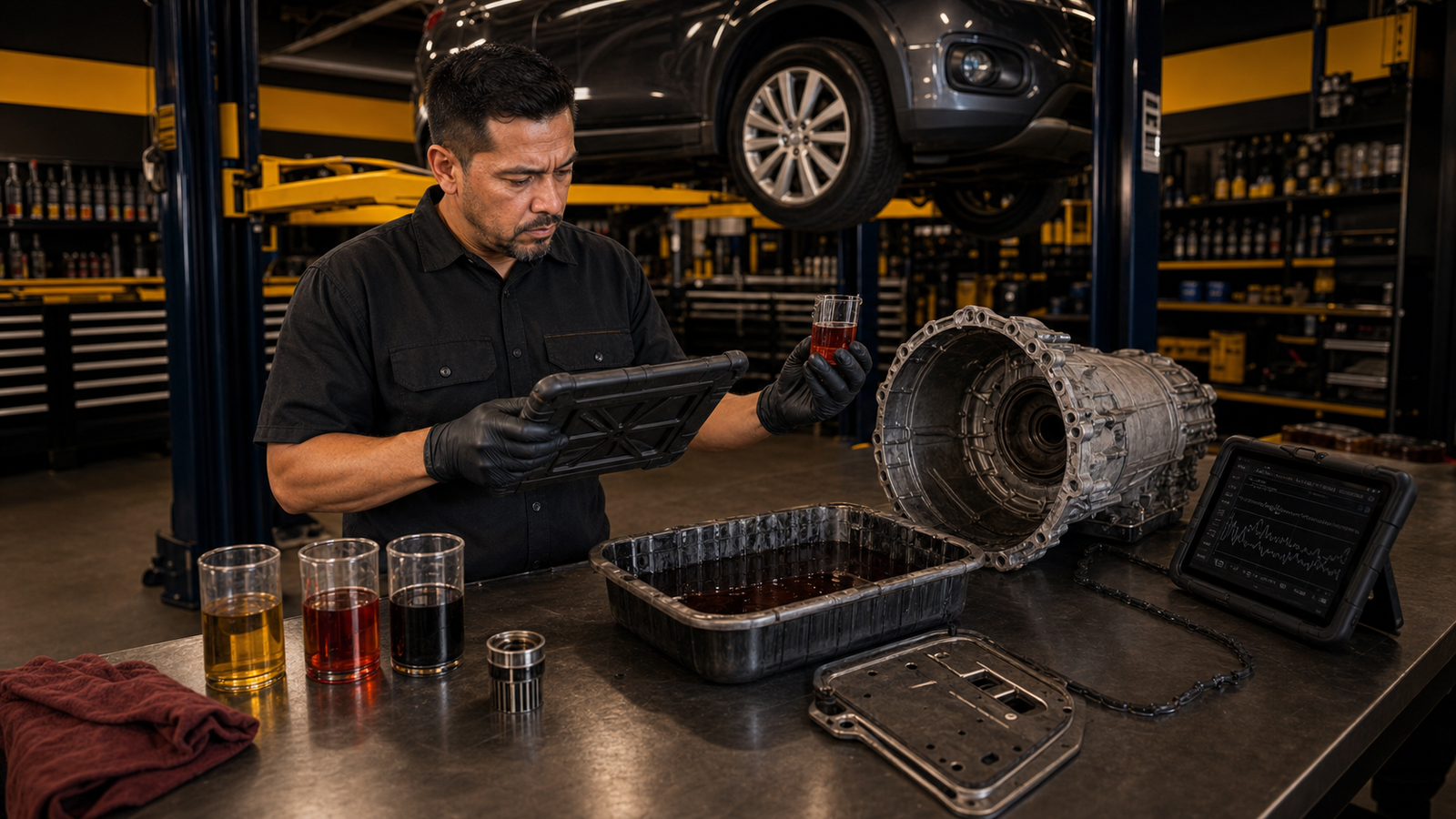
Record warning messages, noises, leaks, pedal or shift feel, temperature, speed, load, and whether the concern changes cold, hot, in reverse, or after driving toward Shorewood.
Include what the driver feels, hears, sees, or smells and the exact event that produces it. A concern after a cold start in Joliet follows a different test path from one that appears hot after a run toward Shorewood.
That Transmission Repair symptom record gives the technician a reproducible starting point and gives the Joliet-area driver something concrete to compare with the completed result.
Note whether the Transmission Repair concern appears in a driveway, in stop-and-go traffic, during a turn, or after sustained speed near Jefferson Street. Location is useful because it helps reconstruct load and temperature, not because a road name diagnoses the part.
03
Safety and Tow Questions Before Transmission Repair
A vehicle near Jefferson Street should stay parked when the related condition causes severe slip, no engagement, unsafe braking, overheating, heavy fluid loss, grinding, smoke, or unreliable control.
Separate a schedule question from a safety decision. If control, braking, engagement, temperature, or fluid loss has materially changed near Jefferson Street, the receiving provider should help decide whether the vehicle stays parked and what type of towing is appropriate.
Do not keep driving toward Transmission Repair simply because the destination is nearby; distance does not reduce the consequence of losing movement, braking, steering control, or fluid.
If the vehicle is already parked in Joliet, avoid another proof drive just to demonstrate why Transmission Repair is being considered. Photos, codes, fluid spots, and a precise description can support the tow or appointment conversation without adding miles.
04
Vehicle, Unit, and Part Identification for Transmission Repair
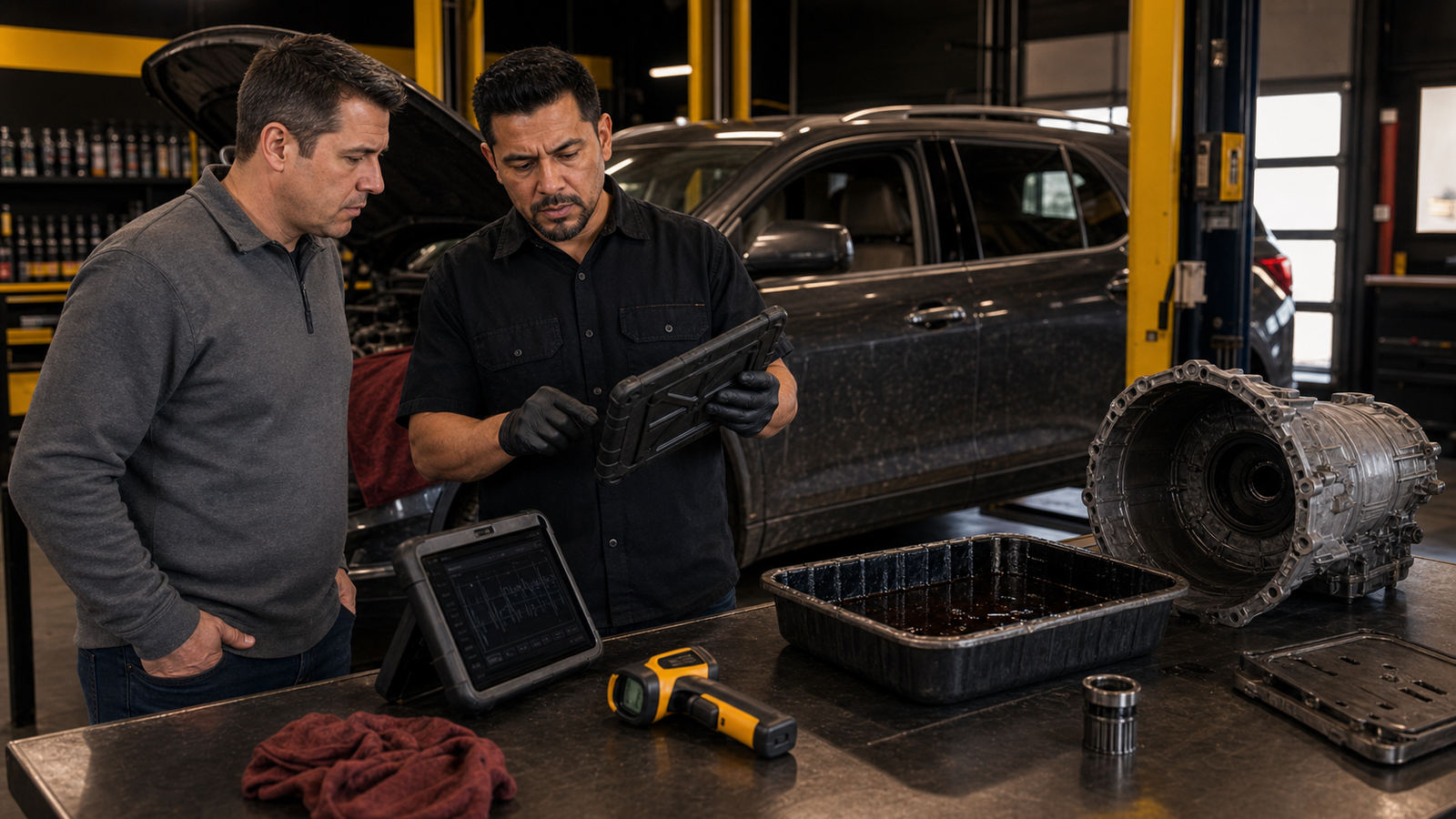
Use the VIN, year, engine, drivetrain, build data, unit tag, part number, calibration, and service information that apply to Transmission Repair; visual similarity does not prove interchange.
Photograph labels and use catalog or service data tied to the VIN instead of ordering by appearance. Midyear production changes, engine choice, drive wheels, software level, and commercial packages can change the correct Transmission Repair parts and procedure.
Correct identification prevents the wrong unit, fluid, calibration, or hardware from turning a contained Transmission Repair job into repeat labor.
Bring the VIN and any earlier invoice or parts number to the Transmission Repair appointment. That small step can prevent delays when two configurations share a body style but not the same unit, controller, fluid, or installation procedure.
05
Evidence That Should Support Transmission Repair
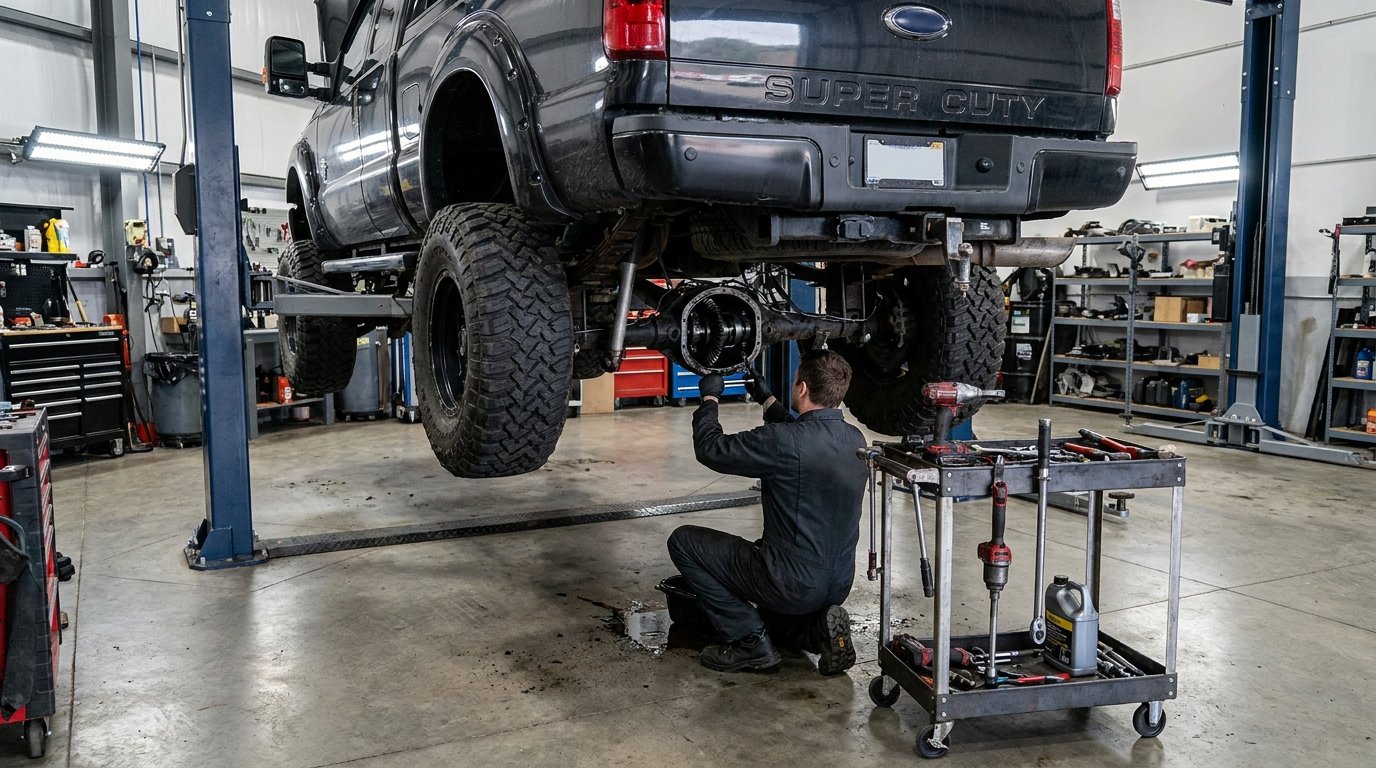
Transmission Repair should be supported by vehicle identification, symptom-specific testing, fluid or component inspection, and a written explanation of the failed function. The evidence should connect the observed symptom to this service and show why a smaller, different, or more complete scope was not selected.
Ask for the actual result behind the Transmission Repair recommendation: code and circuit finding, measured pressure, fluid or debris condition, play or runout, temperature, voltage, leak source, or a repeatable road-test event. The result should rule in this scope rather than merely resemble a common failure.
If the evidence does not distinguish Transmission Repair from a smaller or different repair, more diagnosis is more responsible than a larger guess.
A useful Transmission Repair test plan states what condition will be created, what data or measurement will be watched, and what result sends the diagnosis toward repair, adjustment, service, replacement, or no work.

06
When Transmission Repair May Be the Right Scope
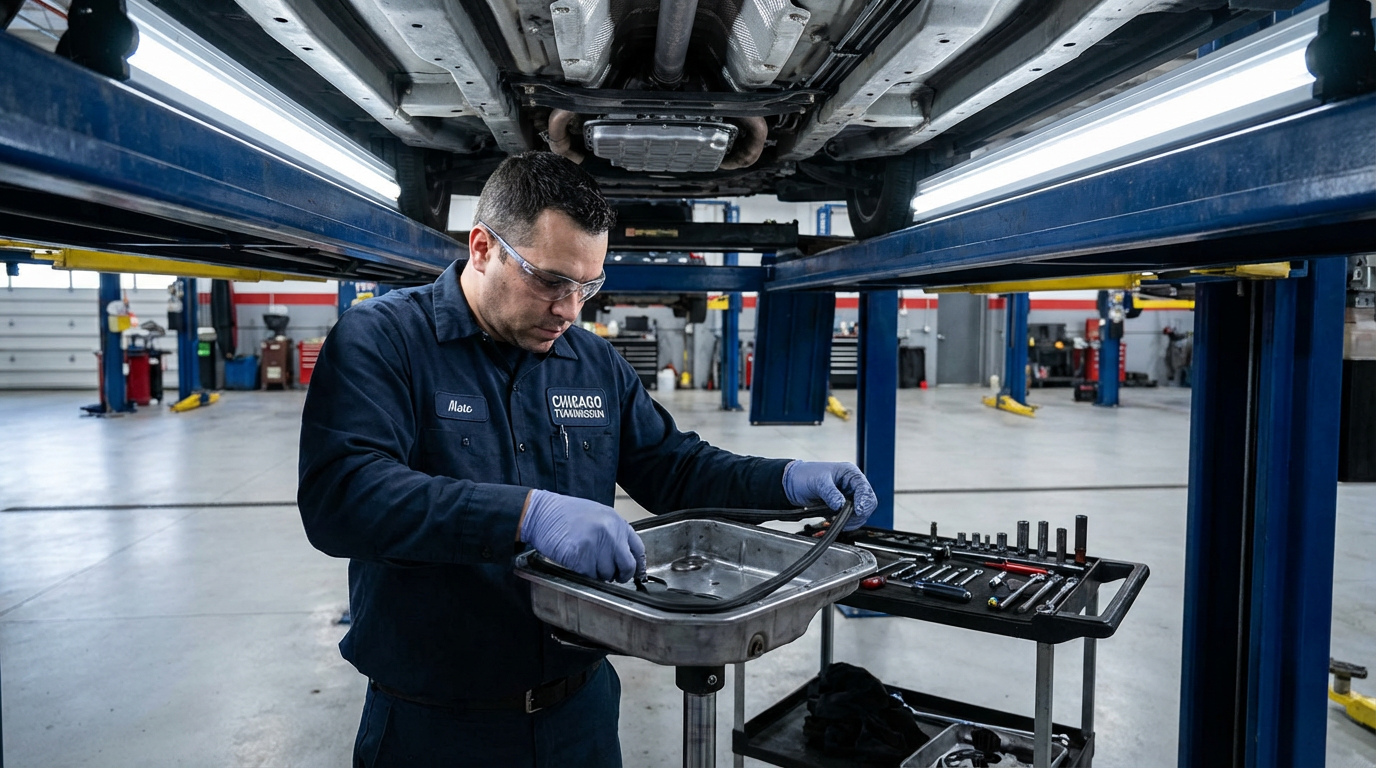
Transmission Repair fits when inspection isolates the problem covered by the service and the surrounding systems remain suitable for continued use. The estimate should state that boundary directly.
A focused Transmission Repair plan is defensible when the failed area is isolated, related systems have been checked, and the expected result can be verified afterward. The estimate should also identify any condition being monitored instead of repaired.
That Transmission Repair boundary protects both sides: the driver knows what is being purchased, and the provider has a clear standard for confirming the result.
When Transmission Repair is the selected scope, the written recommendation should explain why adjacent systems can remain in service and what symptom would justify rechecking them later.
07
When Transmission Repair Is Not Enough
For Transmission Repair, severe contamination, additional system faults, incompatible parts, unsafe operating evidence, or damage beyond the service boundary may require a different diagnostic or repair path instead of expanding work silently.
Do not hide a larger problem inside a small Transmission Repair authorization. If inspection exposes contamination, unsafe wear, incompatible parts, internal damage, or a second system failure, explain the changed risk and price before continuing.
A revised Transmission Repair path may be smaller, larger, or entirely different, but it should never arrive as an unexplained addition on the final invoice.
If the limit becomes visible only after cleaning, disassembly, or a road test, photograph or measure the finding and let the Joliet-area driver review the revised Transmission Repair path before work expands.
08
Parts, Fluids, Programming, and Related Work
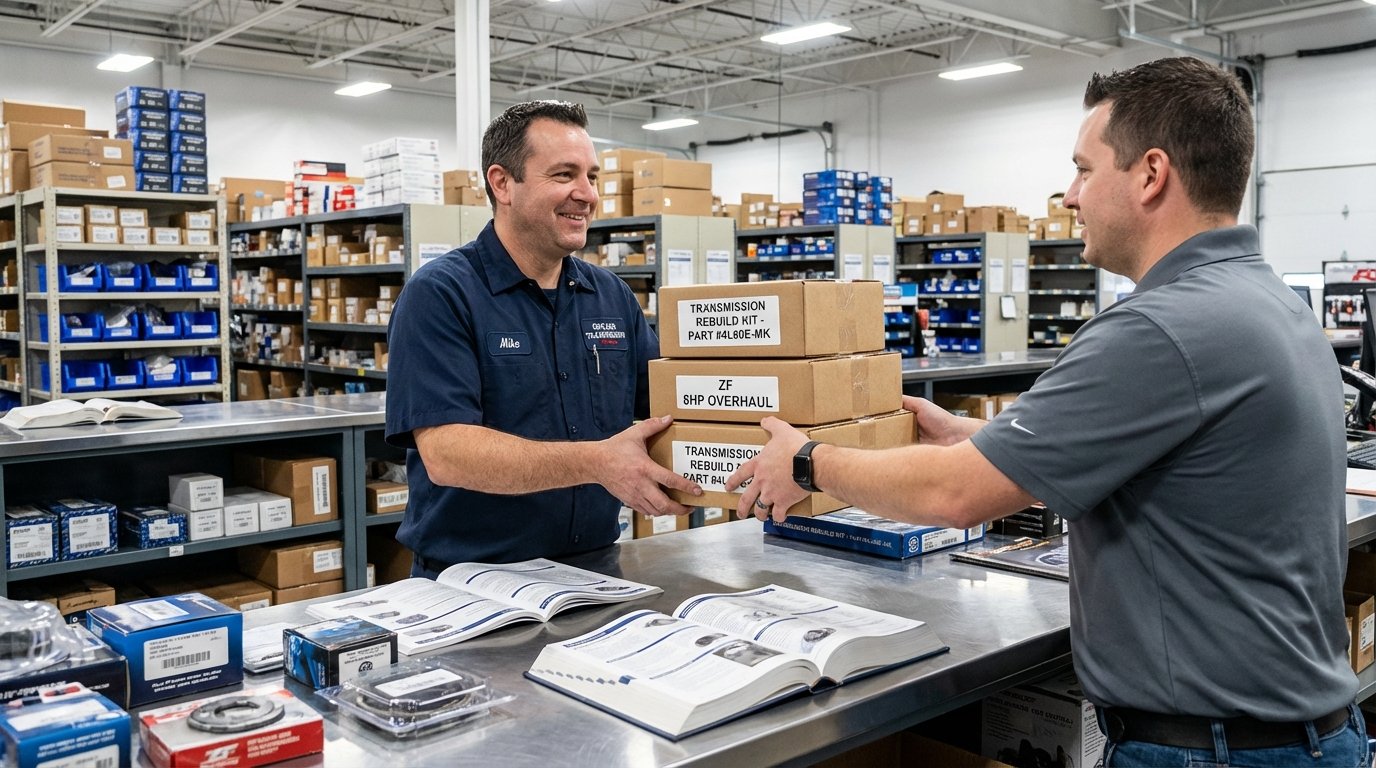
The written Transmission Repair scope should identify parts and condition, fluid specification, seals or hardware, programming or relearn, cleaning or cooler procedures, disposal, freight, and any work intentionally excluded.
Line items should be specific enough to compare two Transmission Repair quotes. Brand or condition of parts, quantities, one-time hardware, fluid specification, outside machine work, programming, disposal, and return of replaced parts all belong in the conversation where applicable.
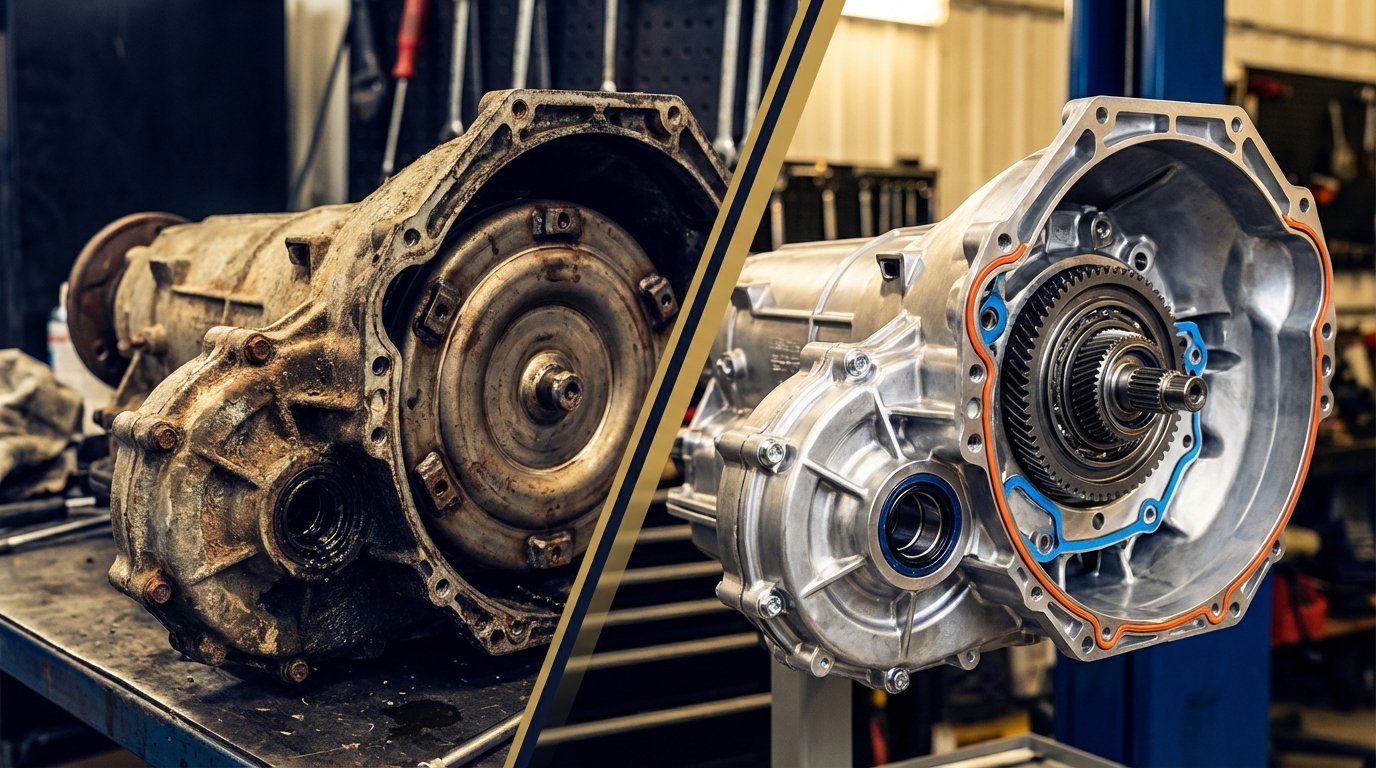
Use the installed total and complete scope, not one attractive line item, when comparing Transmission Repair options around Joliet.
For Transmission Repair around Joliet, ask which fluids, seals, fasteners, calibrations, alignments, disposal charges, or outside operations are routine and which would be added only after a documented finding.
09
Written Price, Approval Limits, and Warranty
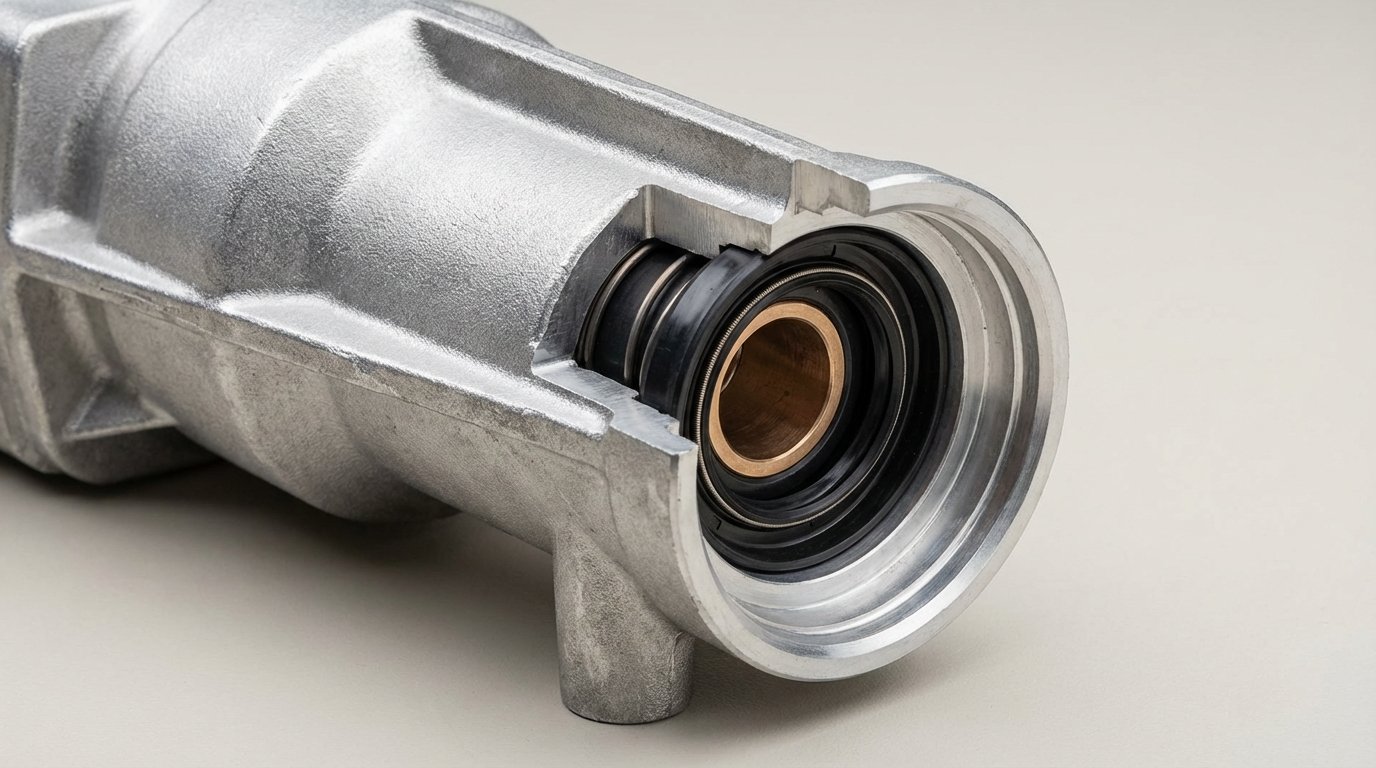
Separate diagnosis, parts, labor, taxes, outside services, possible additions, completion timing, and warranty for Transmission Repair. Another approval should be required before teardown or findings change the total.
The Transmission Repair authorization should show the current total, deposit or diagnostic charge, taxes, likely additions, completion assumptions, and who approves changes. Warranty language belongs in the same review, but it must remain the actual provider's written promise.
No teardown finding or outside service should raise the authorized Transmission Repair total without the next written or recorded approval described in advance.
A driver comparing Transmission Repair options between Joliet and Shorewood should be able to place the estimates side by side and find the same major categories without guessing what one provider omitted.
10
Verification After Transmission Repair
Completion after Transmission Repair should address the original complaint, check leaks and warning status, confirm fluid or adjustment where applicable, document programming, and verify operation under the condition that first produced the problem.
Recheck the original symptom under a safe version of the same temperature, speed, load, direction, or pedal condition. Record final codes, leaks, levels, adjustments, fastener checks, programming, and any break-in or follow-up instructions that apply to Transmission Repair.
Keep the final Transmission Repair test record and invoice so a returning warning, leak, vibration, or operating change can be compared with the condition before service.
Before leaving after Transmission Repair, review what was corrected, what was only inspected, any remaining advisory item, and the exact warning or operating change that should trigger a prompt return.
Questions Before Major Work
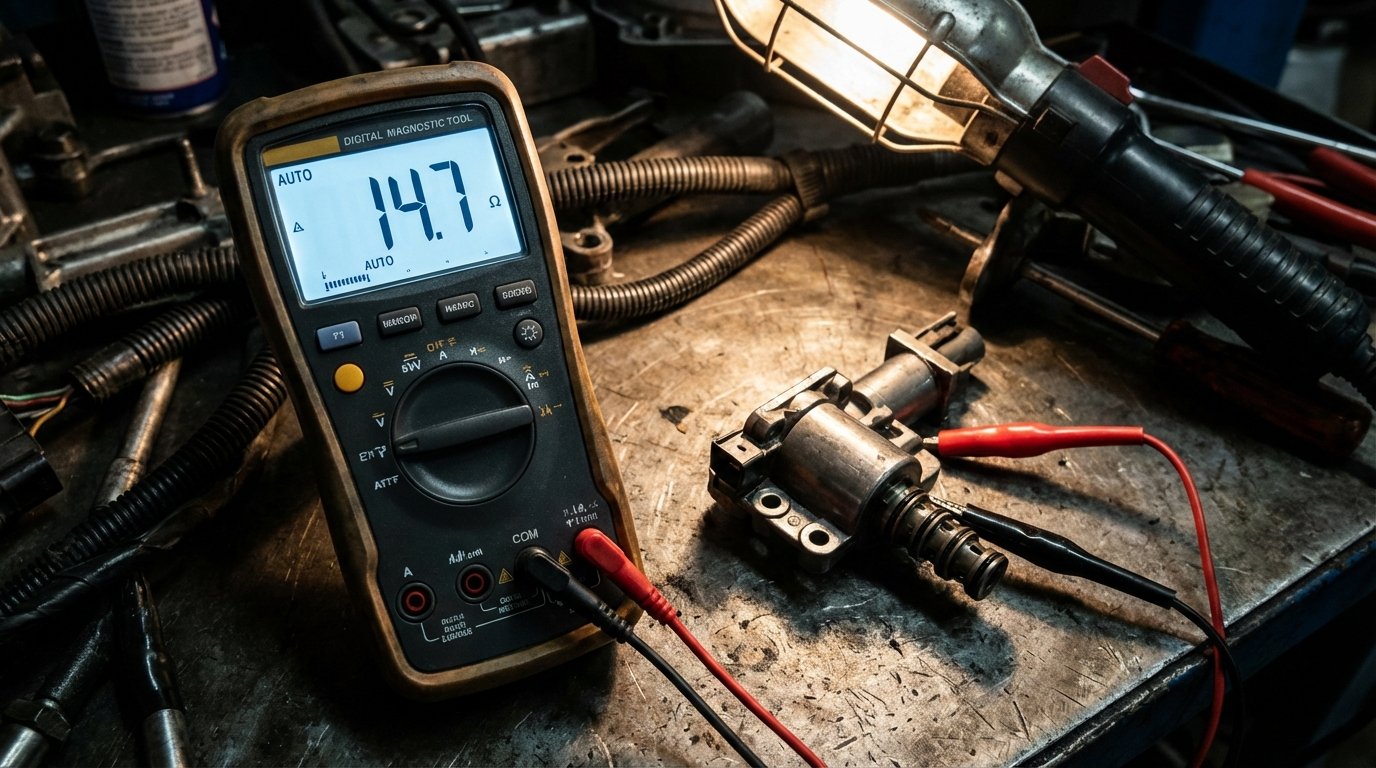
Ask for the codes, leak source, operating data, pressure or electrical result, and road-test finding that connects the symptom to the proposed work.
It can when internal inspection finds additional damage. The written authorization should state the current limit and require approval before added parts or labor.
Repair the proven problem, not a guessed one.
Get the failed function, included work, approval limit, and warranty in writing before transmission repair begins.