
Provide the request date, vehicle, mileage, provider, diagnosis, invoice, warranty, current symptom, and any new codes or leaks.
Joliet / Diagnostic First / Written Options
Support
Review the scope and written terms for support before approving work on a Joliet-area vehicle near Jefferson Street.
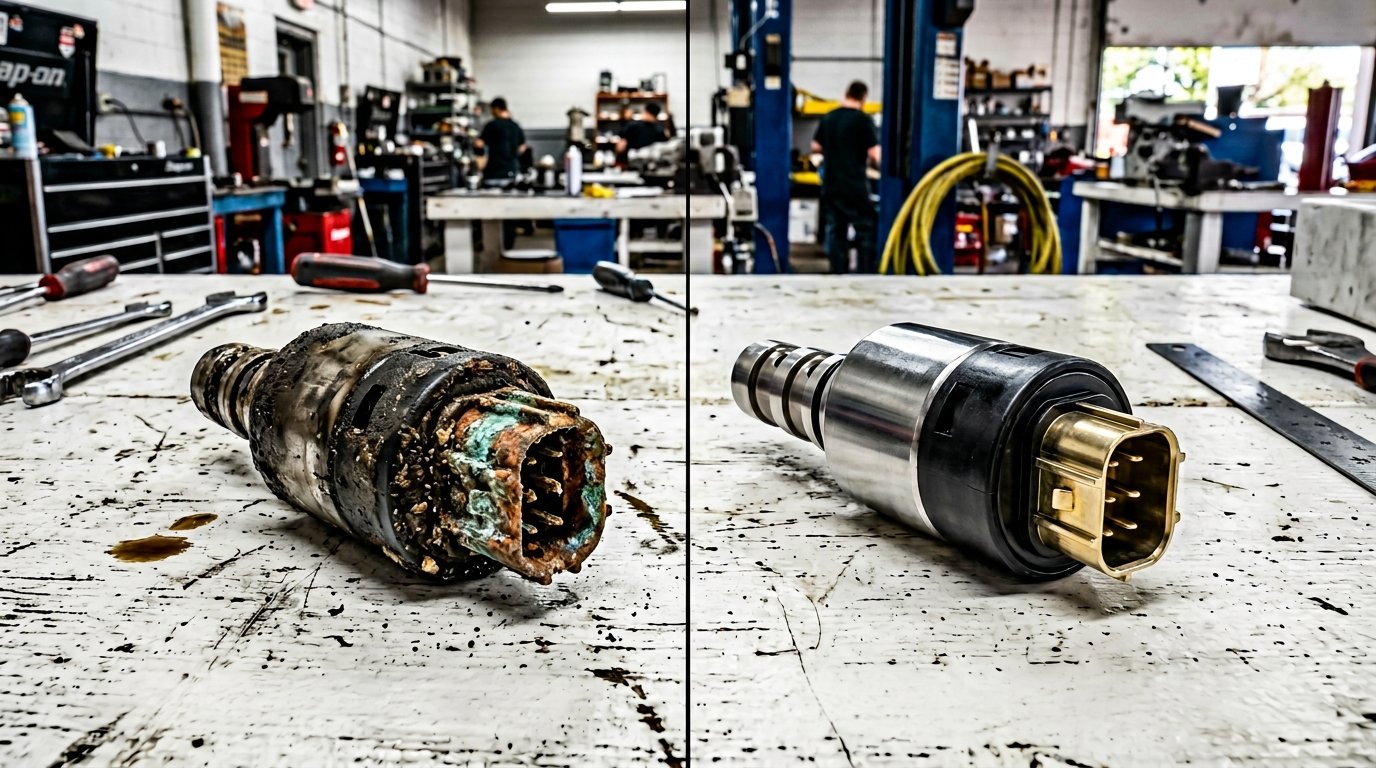
Support starts with the request history, vehicle, current status, and the provider or estimate involved. This service-area website can help organize the next question, but it does not replace a shop's repair order or warranty process.
Keep codes, invoices, authorization messages, photos, tow receipts, and warranty terms. For an active safety problem, contact the servicing provider or towing help directly rather than waiting on a general website message.
01
Start With the Vehicle and Existing Record
A support request needs the vehicle, mileage, original request, provider, diagnosis, authorization, invoice, and current symptom.
Keep the support record concrete by recording the vehicle, date, responsible party, observed condition, documents reviewed, and evidence still missing. That is more useful than another broad service promise. Write the observed condition and identify who is responsible for the next response.
A useful support record names what happens next near Joliet: monitor, park, tow, schedule a defined test, compare written terms, authorize a stated scope, or preserve records for follow-up. If responsibility or price is unclear, clarify it before the decision moves forward. Near Jefferson Street, the first priority is the present condition, not how quickly the vehicle can reach an appointment.
02
Identify Whether the Concern Is New or Returning
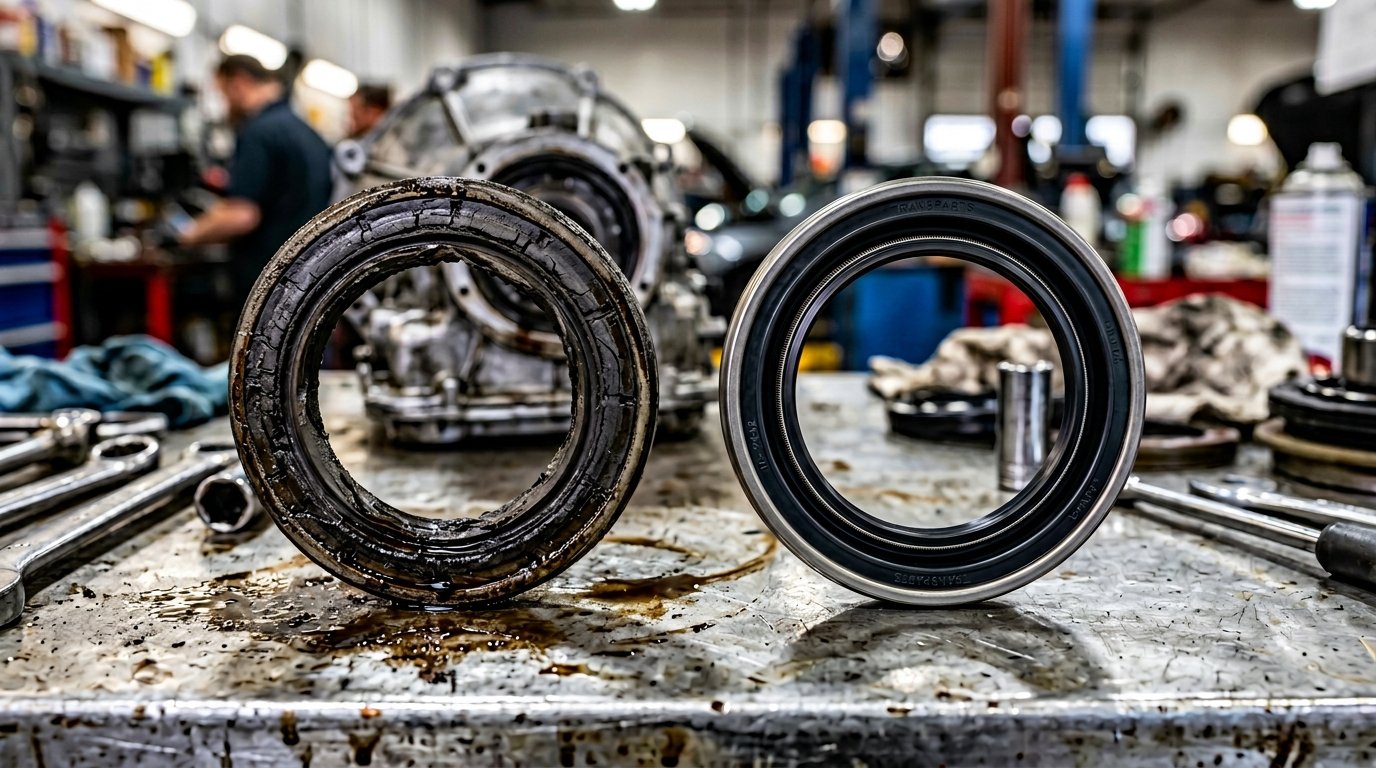
Explain whether the original slip, leak, warning, or shift behavior returned or whether a different symptom appeared after service.
Keep the support record concrete by recording the vehicle, date, responsible party, observed condition, documents reviewed, and evidence still missing. That is more useful than another broad service promise. A one-line price or promise is not enough while the underlying scope remains uncertain.
A useful support record names what happens next near Joliet: monitor, park, tow, schedule a defined test, compare written terms, authorize a stated scope, or preserve records for follow-up. If responsibility or price is unclear, clarify it before the decision moves forward. For a driver comparing options from Joliet, the written total needs to match the work actually being discussed.
03
Use the Written Warranty Claim Process
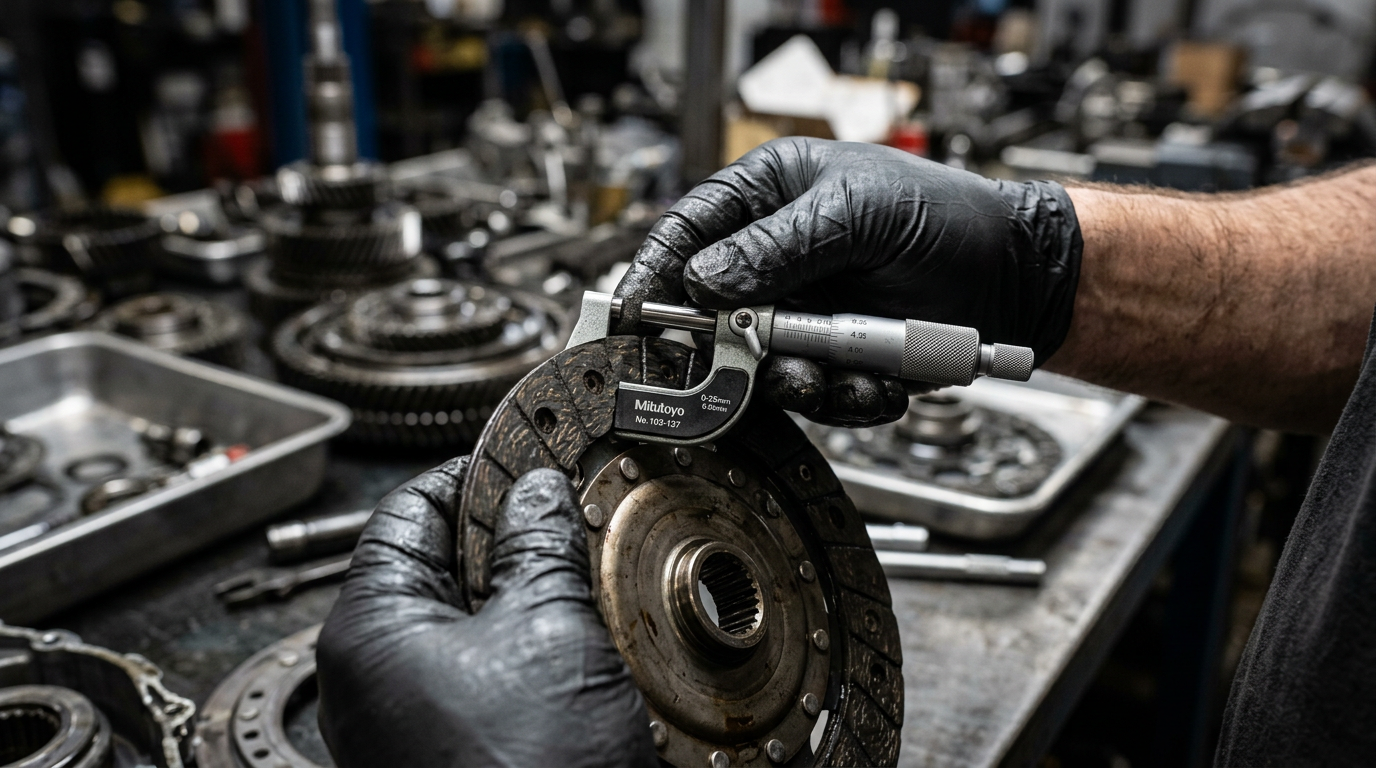
The provider warranty should identify who must be contacted, what records are required, and whether outside diagnosis or removal needs advance approval.
Ask the responsible provider to put the support record terms in writing, including eligible work, duration, mileage, parts, labor, exclusions, maintenance, claim contact, and authorization rules. A headline on a service-area website is not issued coverage. Account for how the vehicle is actually used, not only its age, mileage, or advertised value.
Keep the estimate, repair order, invoice, starting mileage, maintenance records, and later symptom evidence together. Those documents matter if the vehicle develops trouble while traveling between Joliet and Shorewood or another provider needs permission to inspect it. Use between Joliet and Shorewood can change load, heat, downtime, and the practical value of the proposed step.
04
Do Not Authorize Outside Work Too Early
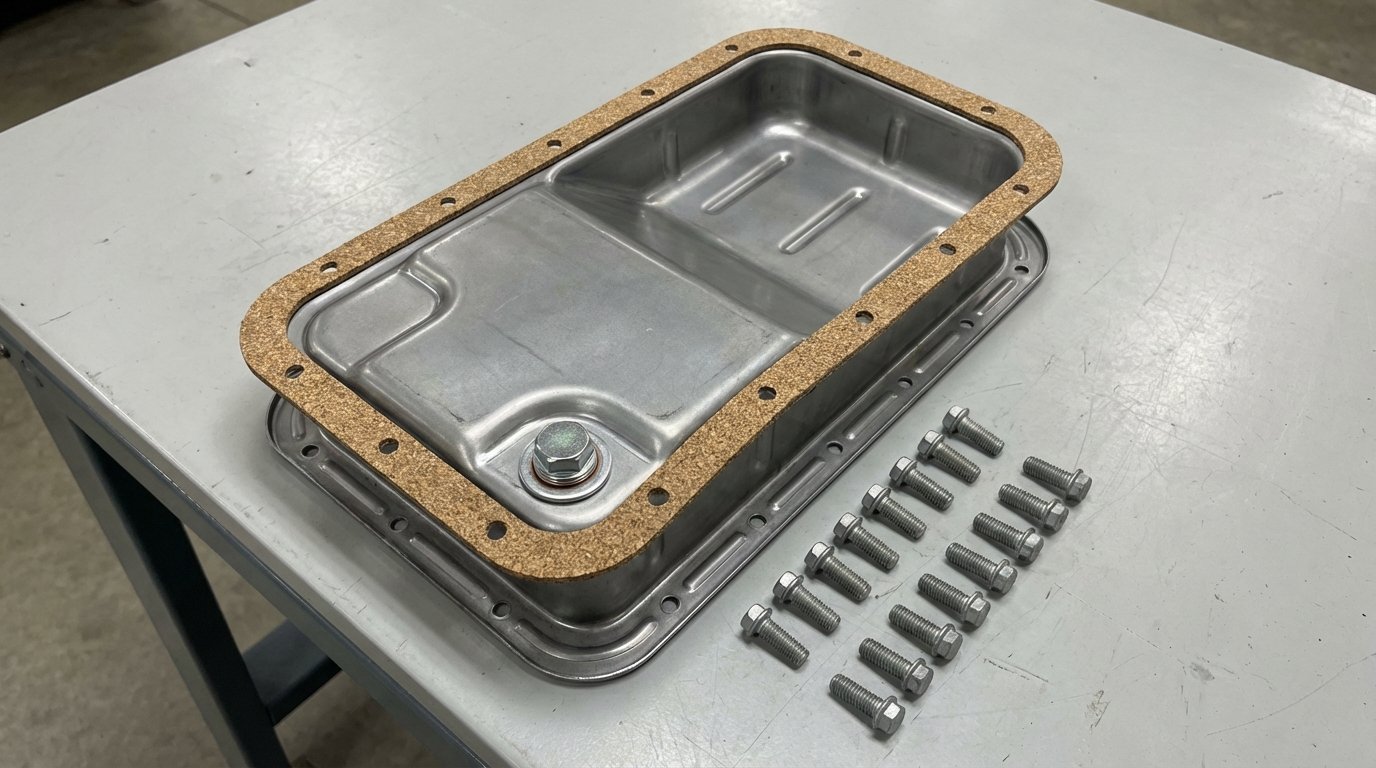
Removing, opening, or repairing a unit elsewhere before the responsible provider responds can complicate evidence and warranty coverage.
Define the support record by the failed function, included parts and labor, required fluid or programming, related-system work, exclusions, and expected result. The written scope should distinguish confirmed work from anything that depends on teardown or another test. Photos, codes, invoices, and dated notes are more reliable than memory after the symptom or conversation changes.
If new evidence changes the support record, stop and issue an updated explanation and price before additional parts, towing, teardown, or repair proceeds. The driver should never learn about a larger authorization only after the vehicle is apart. Preserve the evidence before codes are cleared, parts are removed, or the vehicle changes hands.
05
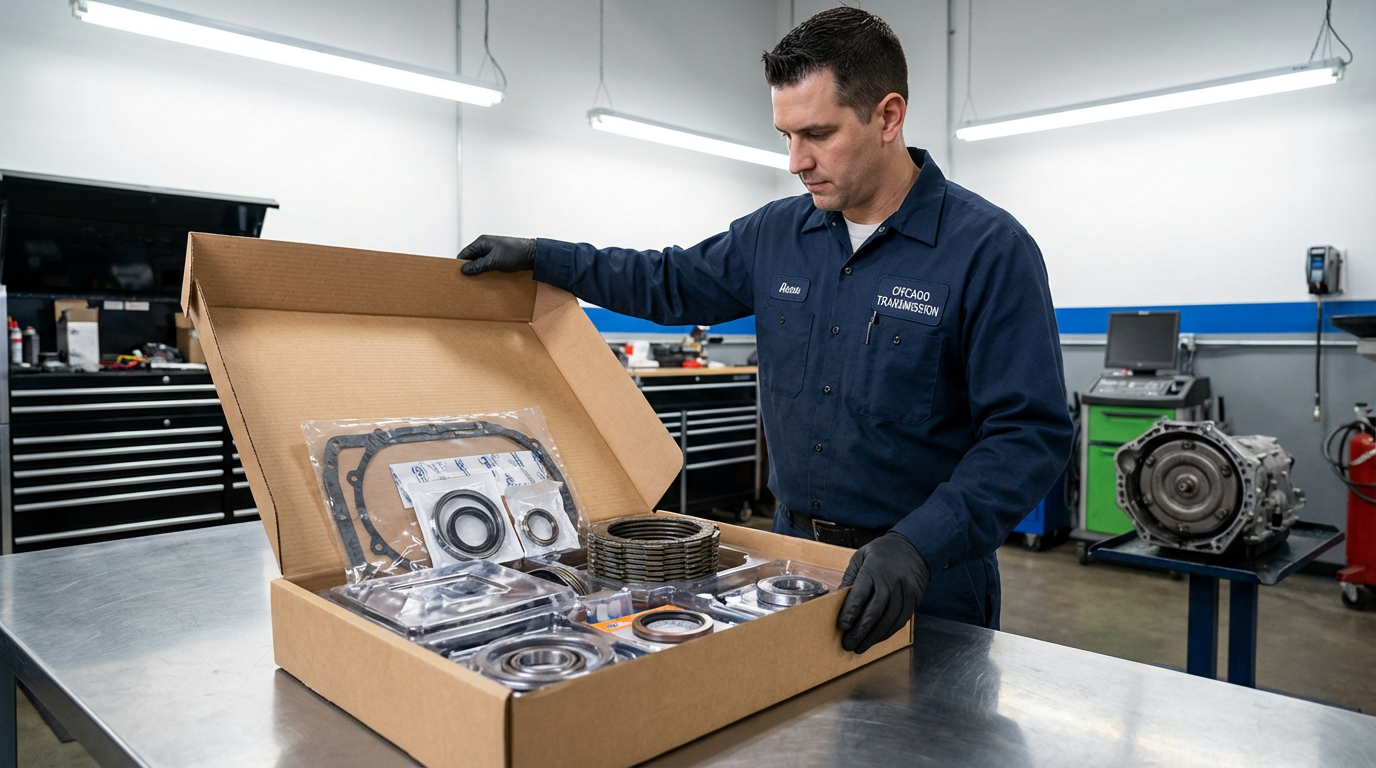
Document Warning Lights, Leaks, and Mileage
Photos, current codes, fluid spots, operating conditions, and mileage create a time-stamped record for a returning concern.
Useful records for the support record include the vehicle, mileage, symptom timing, warning messages, codes, leak photos, service history, and the city where it is parked. Leave out payment-card data, identity documents, and unrelated personal information. Separate immediate safety from scheduling convenience and ordinary follow-up.
Organize the message so another person can tell what happened, what remains uncertain, and whether the next contact concerns towing, diagnosis, pricing, authorization, or follow-up. That is more useful than repeatedly describing the problem as only a bad transmission. If the risk is active, direct roadside or emergency contact comes before an ordinary website reply.

06
Treat Active Safety Problems Directly
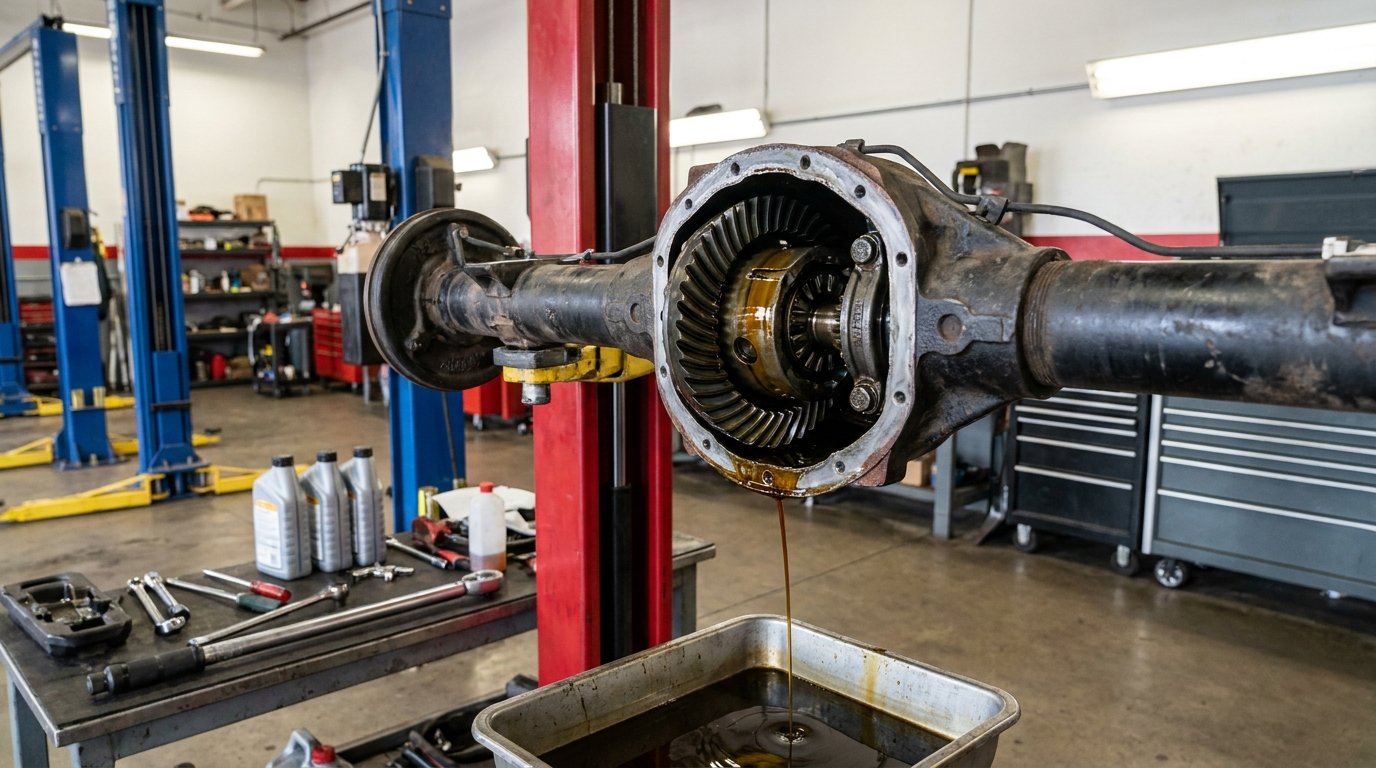
A vehicle that cannot engage, slips severely, overheats, or leaks heavily needs immediate towing or provider contact rather than a routine website-support wait.
For the support record, describe whether the vehicle still engages, holds gear, stops safely, leaks while parked, overheats, or creates a roadside hazard. A short trip near Jefferson Street is not automatically safe when control, fluid level, temperature, or braking has changed. Put confirmed work and possible additions on different lines before authorization.
The next instruction should be unambiguous: leave it parked, arrange appropriate towing, contact emergency help, or schedule a controlled inspection. A website message connected with the support record cannot substitute for the person responsible for the vehicle making that immediate safety call. A later finding may change the plan, but it should not change the authorized total without another clear approval.
07
Separate Website Help From Provider Authority
This service-area website can organize the question but cannot amend a repair order, approve parts, or decide a provider's warranty claim.
Keep the support record concrete by recording the vehicle, date, responsible party, observed condition, documents reviewed, and evidence still missing. That is more useful than another broad service promise. Ask which person or company issues the document that controls the decision.
A useful support record names what happens next near Joliet: monitor, park, tow, schedule a defined test, compare written terms, authorize a stated scope, or preserve records for follow-up. If responsibility or price is unclear, clarify it before the decision moves forward. Website guidance can organize the question; only the responsible provider, lender, seller, buyer, or warranty issuer can create the controlling terms.
08
Close the Loop With Final Documents
Keep the supplemental diagnosis, added authorization, completed repair invoice, test results, and updated warranty record together.
Useful records for the support record include the vehicle, mileage, symptom timing, warning messages, codes, leak photos, service history, and the city where it is parked. Leave out payment-card data, identity documents, and unrelated personal information. Finish with one named next action and a record the Joliet-area driver can keep.
Organize the message so another person can tell what happened, what remains uncertain, and whether the next contact concerns towing, diagnosis, pricing, authorization, or follow-up. That is more useful than repeatedly describing the problem as only a bad transmission. The result should leave less uncertainty than the request started with.
Questions Before Major Work
The written warranty should identify the responsible provider and claim process. Contact that party before authorizing removal or outside repairs.
Only the party named on the repair order can define authorization. Get any added scope and price in writing from the actual servicing provider.
Keep the paper trail attached to the vehicle.
Use invoices, findings, approvals, and warranty terms to make the next conversation specific.