No. This page explains how to verify a referral offer before relying on it. Confirm the current provider, eligibility, qualifying work, exclusions, and payment timing directly in writing.
Verify the Offer / Diagnose the Vehicle / Approve in Writing
Before You Count on a $100 Transmission Referral Offer Near Joliet
Joliet drivers can compare warning signs, tow risk, useful tests, and written repair choices for Transmission Referral Offers Near Joliet: Verify the Terms First.
A referral offer can sound simple: send a friend, relative, coworker, or fleet contact for transmission work and receive $100. The details are what matter. An old promotion can remain online after its dates, terms, or responsible provider have changed, so do not treat a headline or page address as proof that cash is currently available.
For Joliet-area drivers, the practical order is straightforward. First decide whether the vehicle should be driven or towed. Then get the transmission problem diagnosed and the repair path written down. Separately, confirm who is offering the referral payment, who qualifies, what work must be completed, when payment is issued, and what documentation is required. A referral incentive should never be the reason someone approves a rebuild or replacement.
01
Start With the Exact Offer, Not a Remembered Headline
Ask for the current offer in writing. The useful version identifies the business responsible for it, the dollar amount, start and end dates, eligible services, minimum purchase if any, and whether the referred customer must be new. It should also explain whether the referrer, the customer, or both must mention the offer before work begins.
A screenshot, saved email, or written message is better than relying on a conversation from weeks earlier. If the page only says "$100 cash" without current terms, treat it as a reason to ask questions, not as a guaranteed payment.
02
Why Joliet-Area Referrals Often Start With a Real Vehicle Problem
Transmission referrals around Joliet usually start because someone at work, in the family, or in a neighborhood group has a vehicle that is slipping, leaking, shuddering, or refusing to engage. The conversation may happen after a commute on I-80, a warning light near Jefferson Street, or a work-truck problem around the south Joliet industrial corridors.
That local word of mouth can help a driver build a short list, but it does not replace diagnosis. The referred vehicle may have a wiring fault, low fluid from a leak, a valve-body problem, torque-converter trouble, or internal damage. The repair decision still belongs to the evidence from that vehicle.
03
A Referral Payment Never Makes an Unsafe Vehicle Drivable
Do not keep driving toward Joliet just to reach a referred provider when the transmission is slipping badly, losing forward or reverse, leaking quickly, overheating, grinding, or banging into gear hard enough to affect control. Pull over safely and ask the receiving facility what towing method is appropriate.
A vehicle that still engages normally, holds gear, and has no active leak may be suitable for a scheduled diagnostic appointment. Severity, traffic, distance, and the exact symptom control that decision. A possible $100 payment should have no role in deciding whether the next trip is safe.
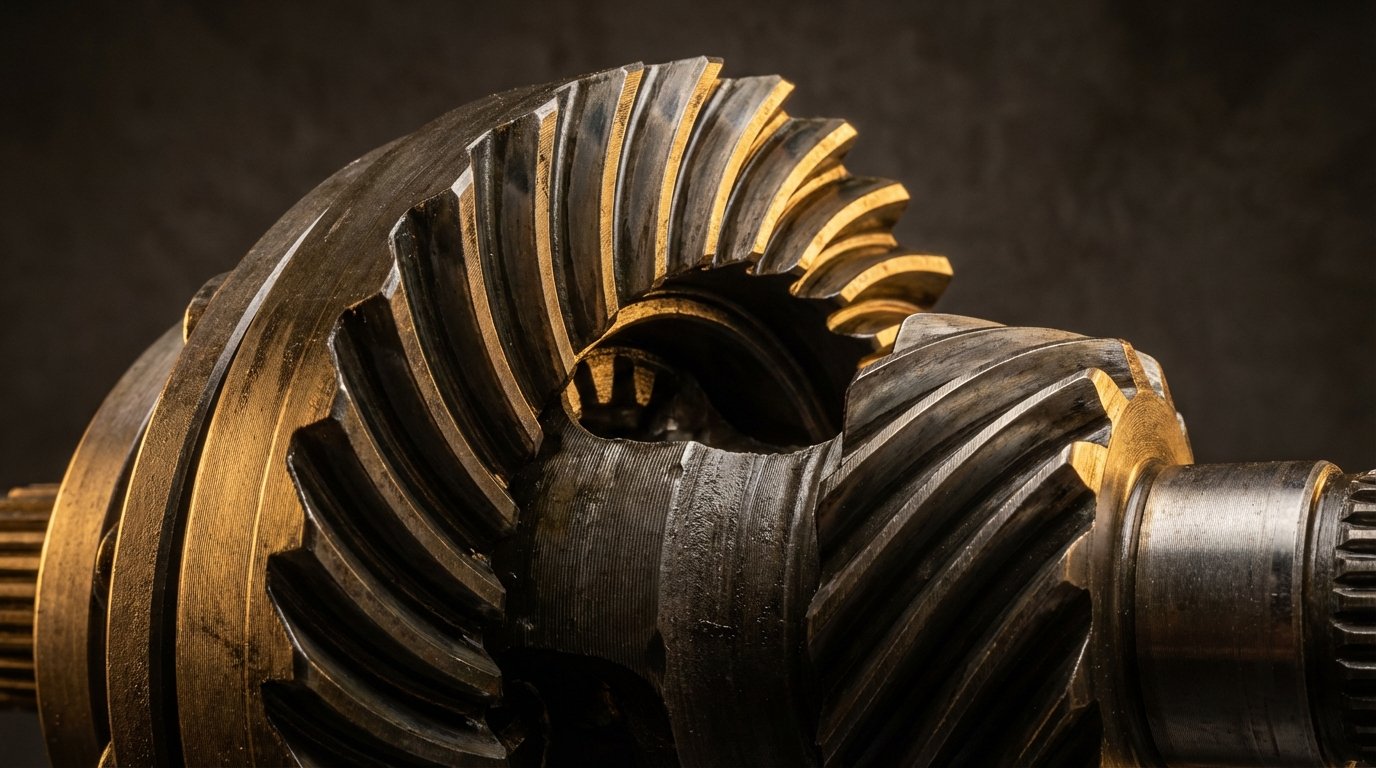
04
Keep the Referral Offer Separate From the Diagnosis
The diagnostic process should stand on its own. A useful first pass identifies the vehicle and transmission, scans all relevant modules, saves codes and event data, checks fluid level and condition using the correct procedure, looks for external leaks, and attempts to reproduce the complaint safely.
Ask what the tests showed and which smaller causes were ruled out before major work is recommended. The referral arrangement should not change the evidence, the estimate, the repair recommendation, or the warranty. If the offer is only available after a certain repair amount, confirm that requirement without letting it pressure the customer into unnecessary work.
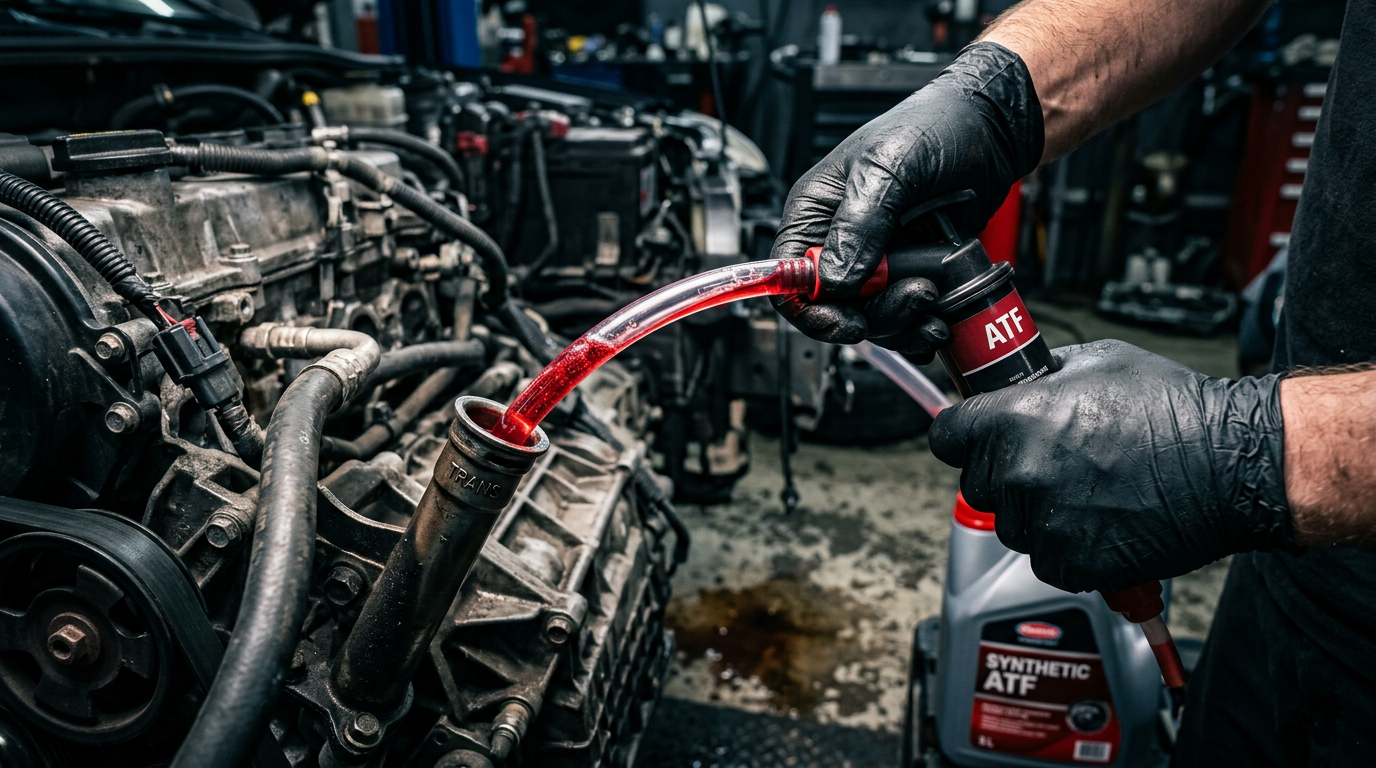
05
Give the Referred Driver Useful Symptom Notes
A helpful referral includes more than a name and phone number. Encourage the driver to record when the problem happens: cold start, hot restart, reverse engagement, a 2-3 shift, steady cruise, a Route 59 merge, or after twenty minutes on I-55 or I-80. Warning messages, leak photos, and a service-history summary can shorten the first conversation.
Do not diagnose the vehicle for the person being referred. Saying "mine needed a rebuild, so yours probably does too" can send the decision in the wrong direction. Similar symptoms can come from very different causes on different vehicles and transmissions.
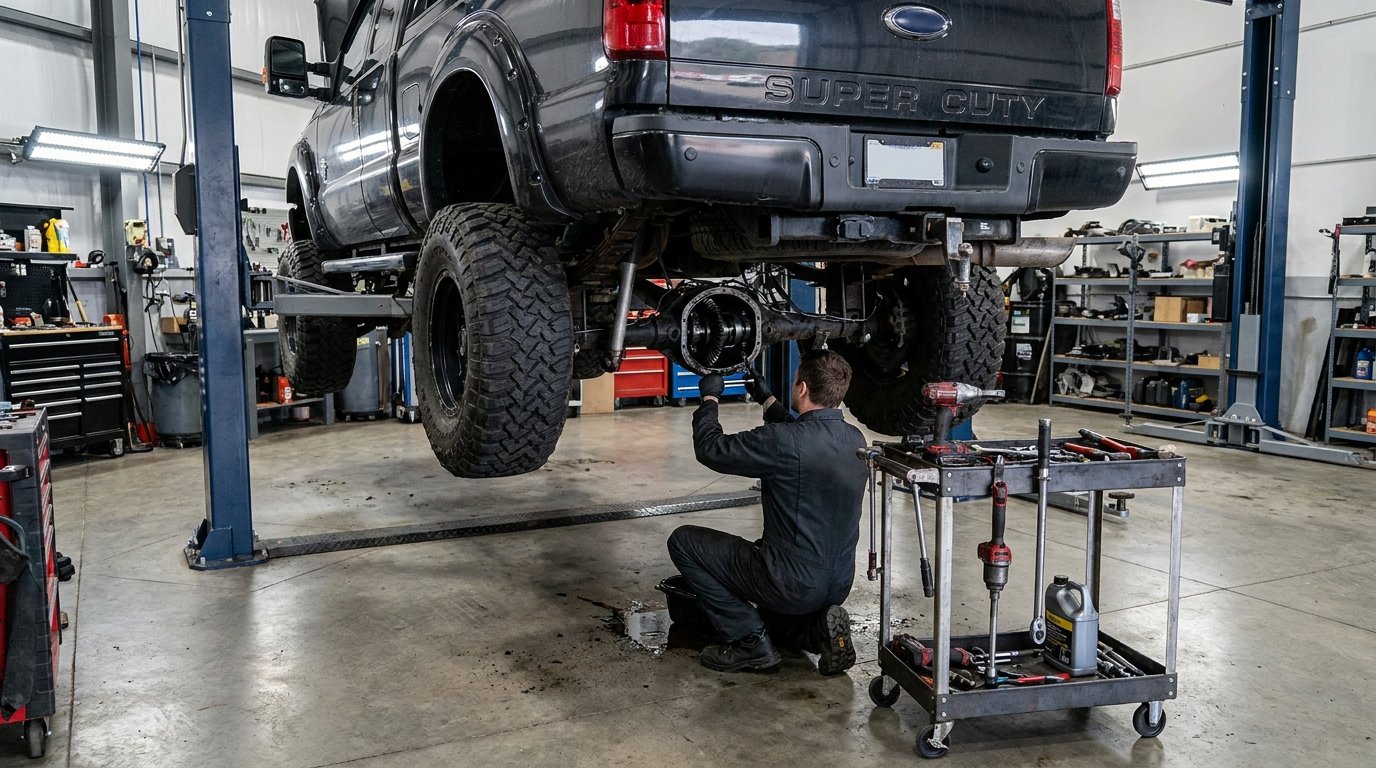
06
Do Not Confuse a Fluid Promotion With a Repair Answer
Some referral or discount offers apply only to maintenance services. Confirm whether a fluid service, diagnostic charge, repair, rebuild, replacement, or completed invoice is required. Also ask whether taxes, towing, programming, hard parts, or outside-supplied units count toward any minimum.
Fluid service is not a universal fix for slipping or internal damage. A vehicle with a heavy leak, burnt smell, metal in the pan, or severe loss of engagement needs diagnosis before anyone approves a flush because a promotion happens to mention transmission service.
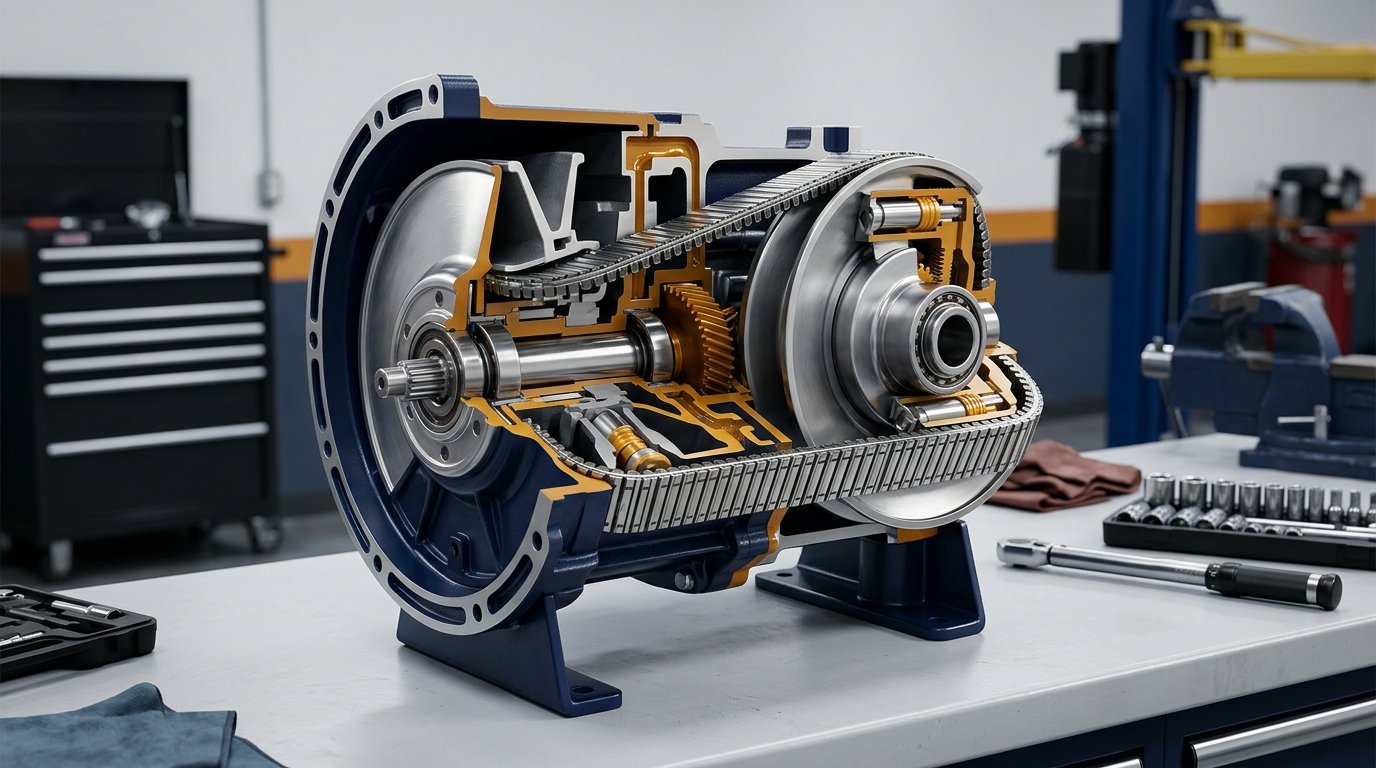
07
Confirm Who Tracks the Referral and How
A workable program explains how the referral is recorded. The provider may require a code, a form, the referrer's name and contact information, or a note made when the appointment is scheduled. Ask whether a referral can be added after diagnosis or after the invoice has already been paid.
The referred customer should know what information will be shared. A provider can confirm that a qualifying transaction occurred without discussing the customer's diagnosis, invoice details, or vehicle history beyond what is necessary to administer the offer.
08
Ask What Event Actually Triggers the Payment
The trigger may be a completed diagnostic visit, a paid repair above a stated amount, installation of a rebuild or replacement, or expiration of a return period. "Referral received" and "referral qualifies for payment" are not always the same event.
Get the expected timing in writing. Find out whether payment is cash, check, electronic transfer, account credit, or another form; whether pickup is required; and what happens if the customer cancels, supplies parts, declines the estimate, or returns under warranty.
09
A Smaller Repair Should Still Qualify on Its Own Terms
If testing isolates a connector, sensor, solenoid, cooler line, seal, mount, linkage issue, or serviceable valve-body concern, the written estimate should describe that focused repair. Do not turn a smaller finding into a bigger authorization merely to satisfy an incentive threshold.
If the offer excludes diagnostics or smaller repairs, the provider should say so plainly. The driver can then judge the repair on safety, evidence, total installed cost, warranty, and vehicle value rather than trying to make the invoice fit a promotion.
10
Before a Rebuild, Require More Than Referral Enthusiasm
A rebuild should be supported by evidence of internal wear or damage and a clear explanation of why the original case and usable hard parts are reasonable to recondition. Ask what friction elements, seals, bushings, updates, valve-body work, converter work, and cooler procedures are included.
The estimate should identify teardown limits, possible hard-part additions, programming, fluid, downtime, and the actual warranty provider. None of those questions becomes less important because a friend recommended the facility or because a referral payment may be available.
11
Replacement Quotes Need the Same Written Detail
For a used or remanufactured replacement, verify exact interchange, donor mileage or remanufacturer, converter, cooler requirements, programming responsibility, freight, core charges, installation fluid, expected delivery, and claim procedure.
Ask whether the referral offer applies to the complete installed invoice or only to labor supplied by the receiving facility. A lower headline unit price can become more expensive after missing installation items are added, so compare complete scopes before authorizing anything.
12
Compare the Repair Estimate Without Counting the $100
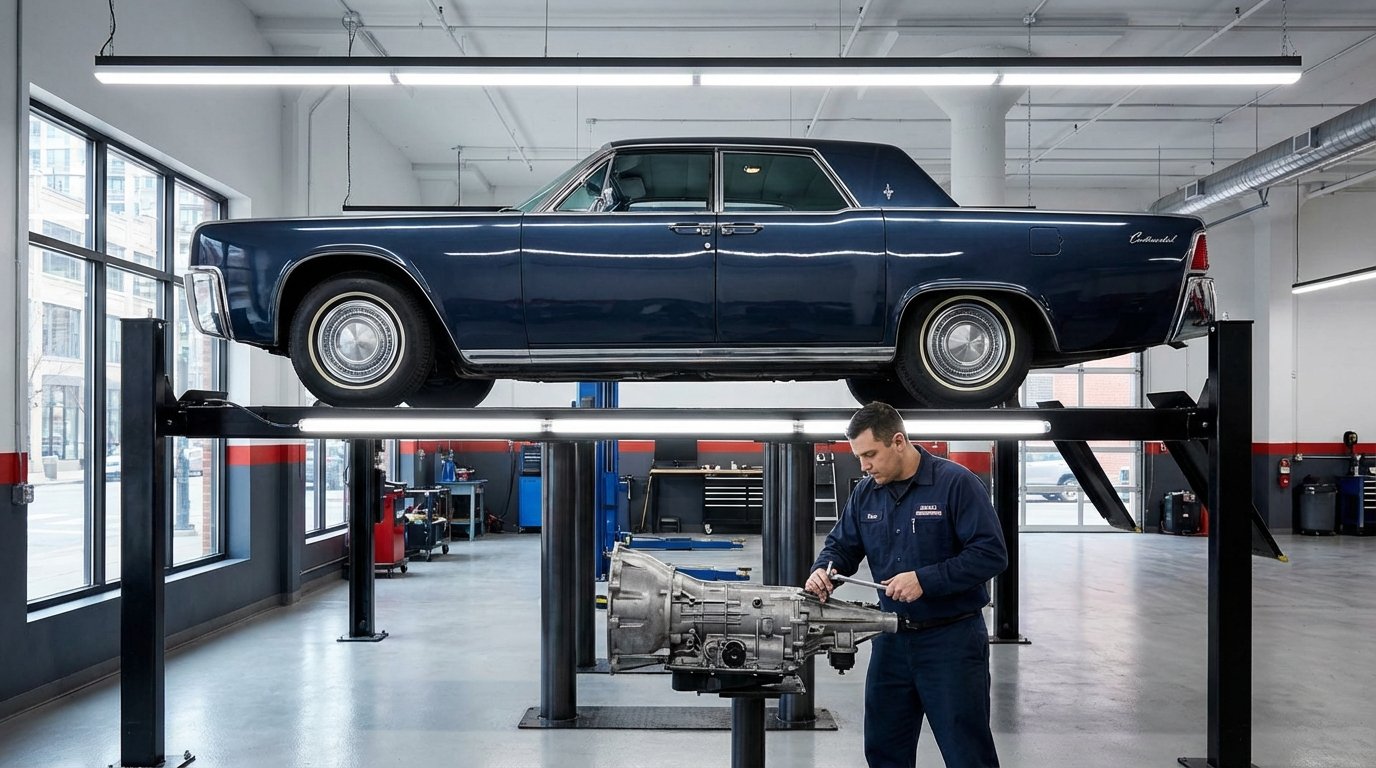
Compare diagnosis, parts, labor, fluid, converter, cooler work, programming, towing, taxes, freight, possible teardown additions, downtime, and written warranty before subtracting any referral amount. The repair needs to make sense at its real price.
If the offer is later confirmed and paid, treat it as a separate benefit. That keeps a modest incentive from hiding a larger difference in installed cost, warranty responsibility, or diagnostic quality.
13
Do Not Let the Offer Decide Whether the Vehicle Is Worth Repairing
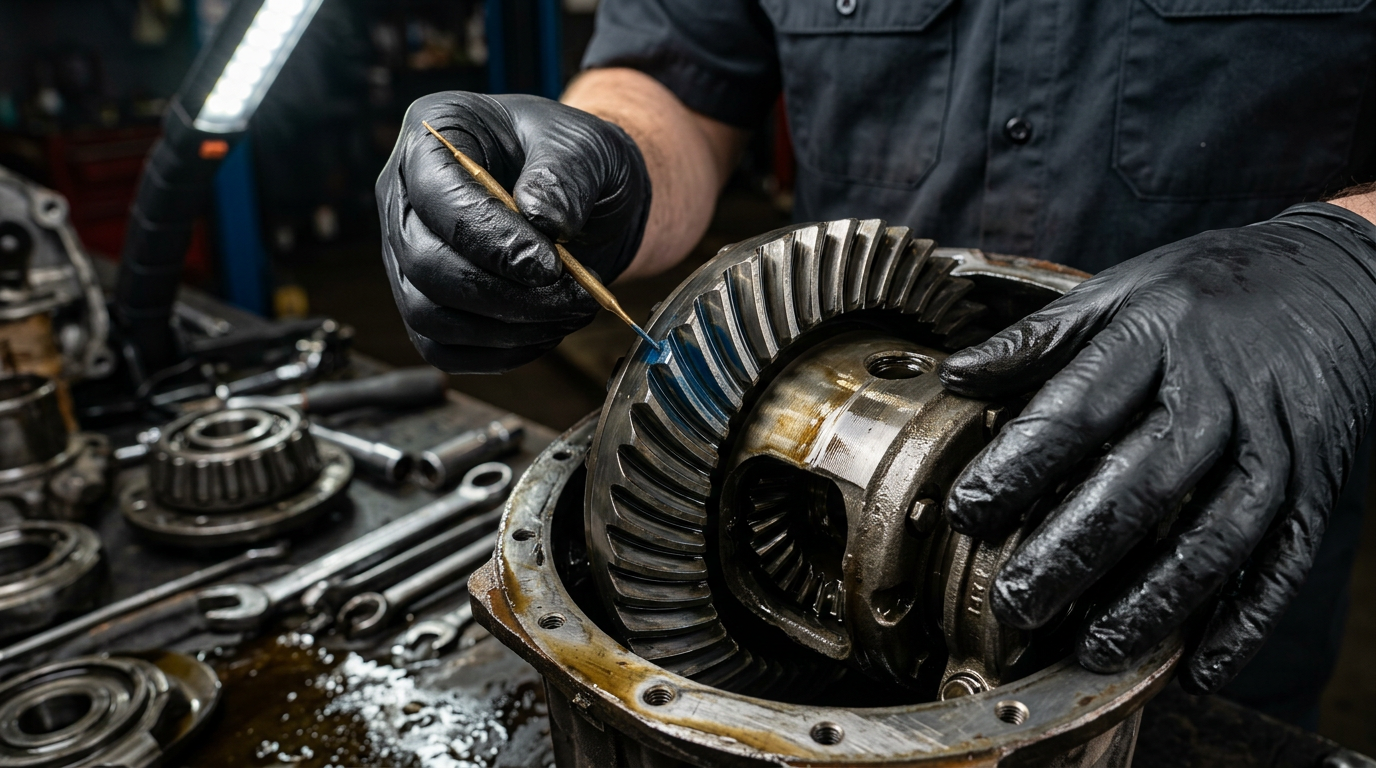
A transmission decision also depends on engine condition, rust, tires, brakes, other pending repairs, loan balance, replacement-vehicle cost, and how long the owner expects to keep the vehicle. The right answer for a paid-off family SUV may differ from the answer for a work van with repeated downtime.
For Joliet, Crest Hill, Shorewood, Plainfield, and nearby drivers, transportation needs matter too. Ask how long diagnosis and parts may take and whether the vehicle must remain at the facility while an estimate is considered. A $100 offer is small compared with a poor repair decision or unexpected week without a vehicle.
14
Verify Both Outcomes After the Work
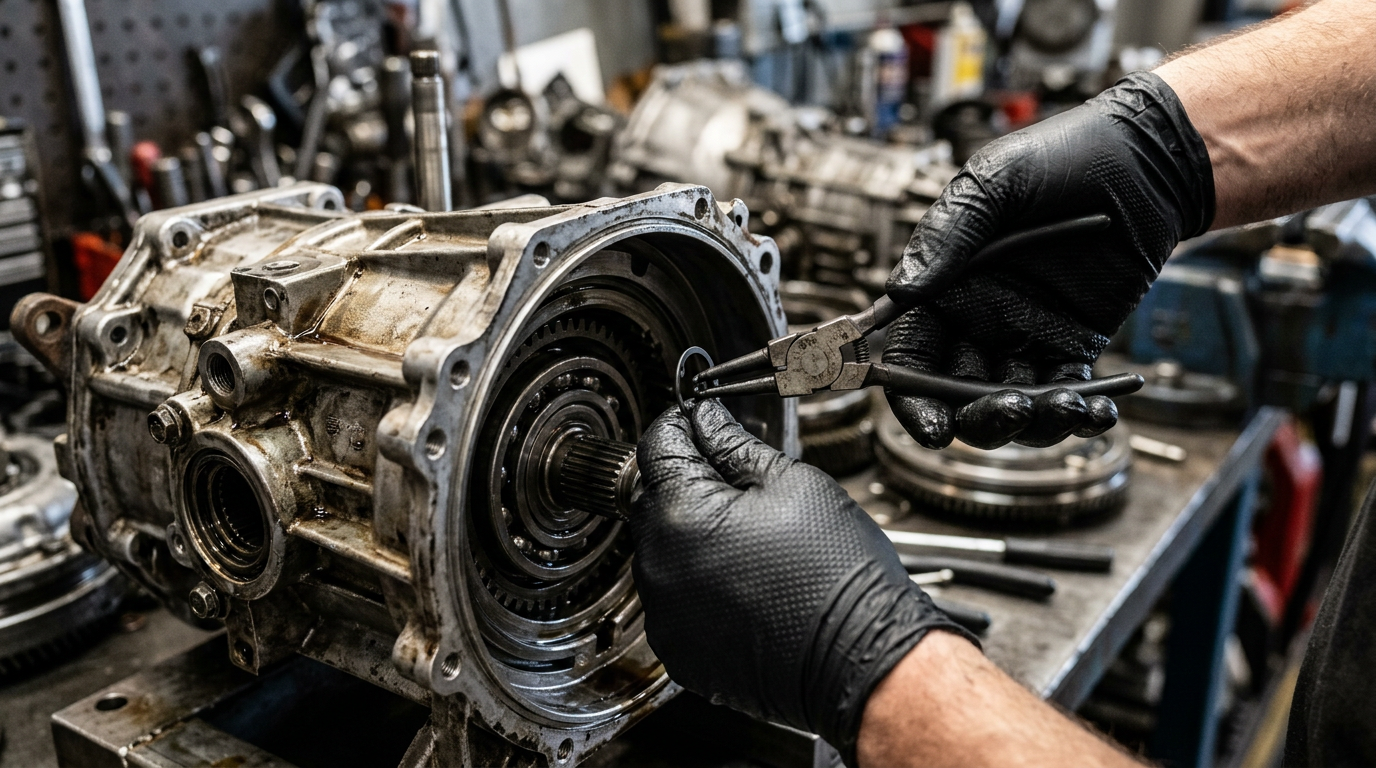
After the repair, confirm that the original symptom was checked under a safe version of the same conditions. The final invoice should identify installed parts, fluid, programming or relearn work, cooler procedures, warranty terms, and any recommended recheck.
Separately, keep the referral confirmation and note the promised payment date. If the repair is complete but the referral is still pending, ask the named program contact about the written terms rather than involving the referred customer in an unnecessary billing dispute.
15
Use a Short Verification Checklist Before Relying on the Offer
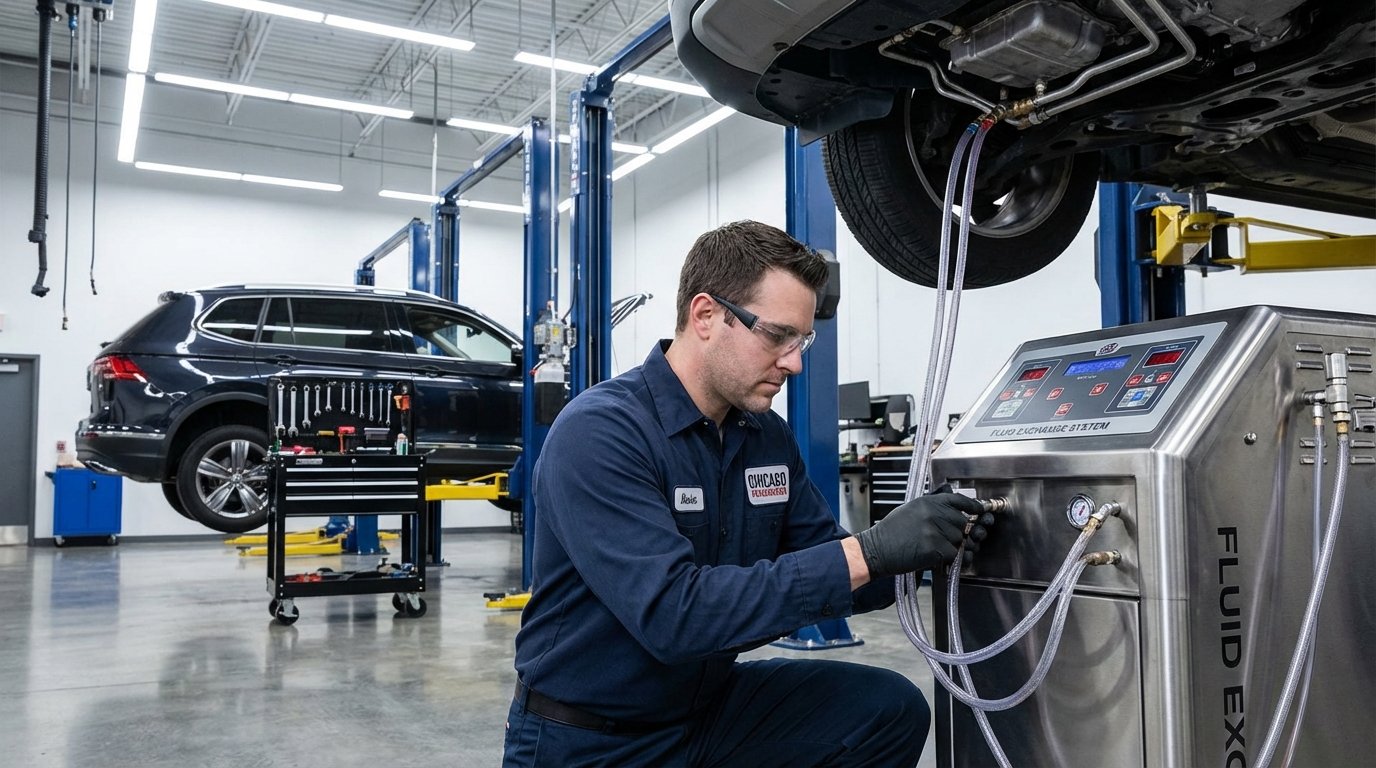
Confirm the responsible provider, current dates, eligible customer, qualifying work, minimum invoice, referral-recording method, exclusions, payment form, payment timing, and contact person. Save the terms before the referred vehicle arrives.
Then return to the vehicle itself: describe the symptoms, decide whether towing is safer, request diagnosis before major parts, and get the repair, rebuild, or replacement path in writing. That order protects both the referred driver and the person expecting the referral payment.
Questions Before Major Work
No. Approve a rebuild only when diagnosis supports internal work and the written scope, price, downtime, and warranty make sense for the vehicle. Treat any referral payment as a separate issue.
Keep the current written terms, referral code or confirmation, provider contact, qualifying invoice requirement, promised payment method, and expected payment date.
Verify the offer, then make the repair decision on evidence.
If a vehicle is slipping, leaking, overheating, or not engaging near Joliet, describe the symptom and ask whether towing is safer. Get diagnosis and written repair options before any incentive enters the decision.