Yes. Misfire under load can feel like converter shudder or harsh shifting. Misfire counters, fuel data, ignition checks, and operating conditions help separate it.
Joliet / Diagnostic First / Written Options
Engine Repair Help in Joliet
Understand what engine repair should include, which findings support it, and what a Joliet-area written estimate should settle before work begins near Collins Street.
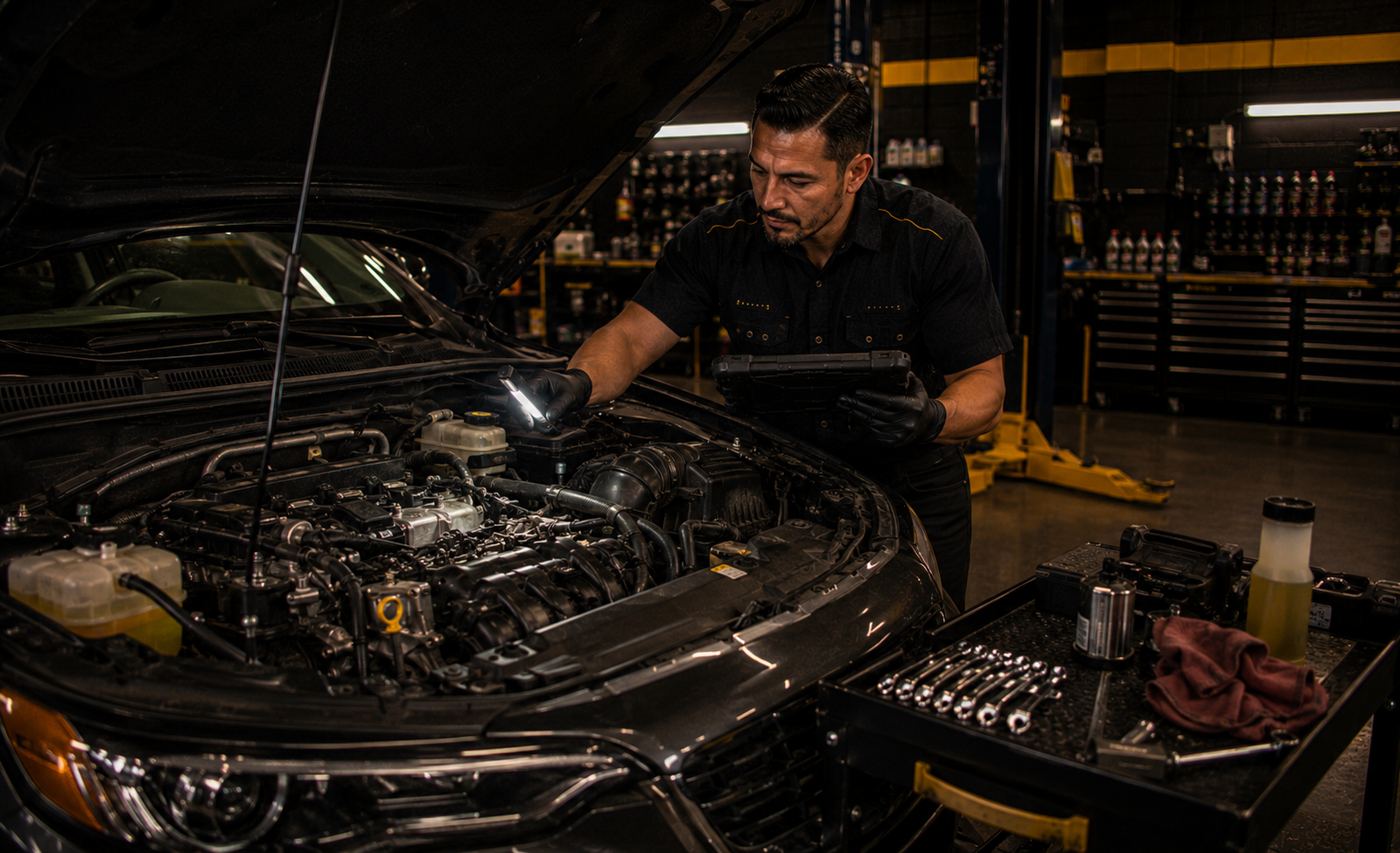
Engine misfire, throttle problems, mounts, overheating, and low power can imitate transmission shudder or delayed acceleration. A vehicle on I-80 that will not gain speed needs system data before the transmission is blamed.
Joliet-area testing should compare engine, transmission, and network codes; fuel and ignition behavior; rpm; load; temperature; and gear command. Repair the system producing the evidence, then verify the original complaint is gone.
01
Engine Symptoms That Can Mimic Transmission Trouble
Misfire, low power, throttle faults, mounts, overheating, and fuel-delivery problems can feel like shudder, harsh shifts, or delayed acceleration.
Build the engine-service decision from observable evidence: exact operating condition, scan data, fluid or component findings, measurements, and the competing causes that were checked. Similar complaints can come from electrical, hydraulic, mechanical, engine, brake, tire, or driveline faults. Write the observed condition and identify who is responsible for the next response.
Testing should end with a named result and a reason for the proposed next step. If the concern only appears hot, loaded, or after driving toward Elwood, the inspection plan needs to reproduce that condition without risking additional damage. Near Collins Street, the first priority is the present condition, not how quickly the vehicle can reach an appointment.
02
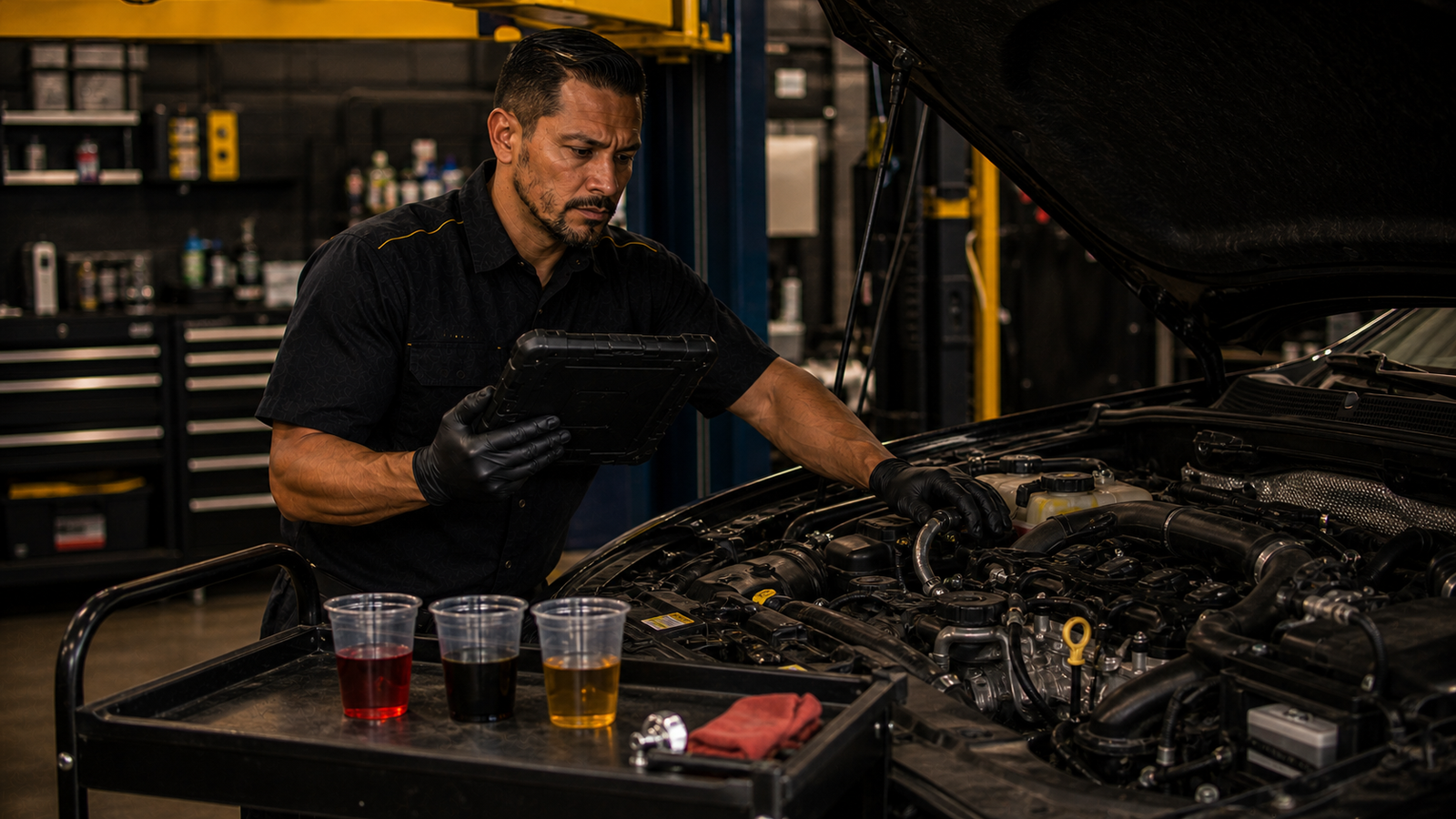
Compare Engine and Transmission Data Together
RPM, load, throttle, misfire counters, commanded gear, converter slip, temperature, and network codes help identify which system changed first.
Build the engine-service decision from observable evidence: exact operating condition, scan data, fluid or component findings, measurements, and the competing causes that were checked. Similar complaints can come from electrical, hydraulic, mechanical, engine, brake, tire, or driveline faults. A one-line price or promise is not enough while the underlying scope remains uncertain.
Testing should end with a named result and a reason for the proposed next step. If the concern only appears hot, loaded, or after driving toward Elwood, the inspection plan needs to reproduce that condition without risking additional damage. For a driver comparing options from Joliet, the written total needs to match the work actually being discussed.

03
Check Basic Mechanical Condition
Compression, timing, vacuum, oil pressure, cooling, and mechanical noise may need evaluation when scan data points beyond ignition or fuel.
Keep the engine-service decision concrete by recording the vehicle, date, responsible party, observed condition, documents reviewed, and evidence still missing. That is more useful than another broad service promise. Account for how the vehicle is actually used, not only its age, mileage, or advertised value.
A useful engine-service decision names what happens next near Joliet: monitor, park, tow, schedule a defined test, compare written terms, authorize a stated scope, or preserve records for follow-up. If responsibility or price is unclear, clarify it before the decision moves forward. Use between Joliet and Elwood can change load, heat, downtime, and the practical value of the proposed step.
04
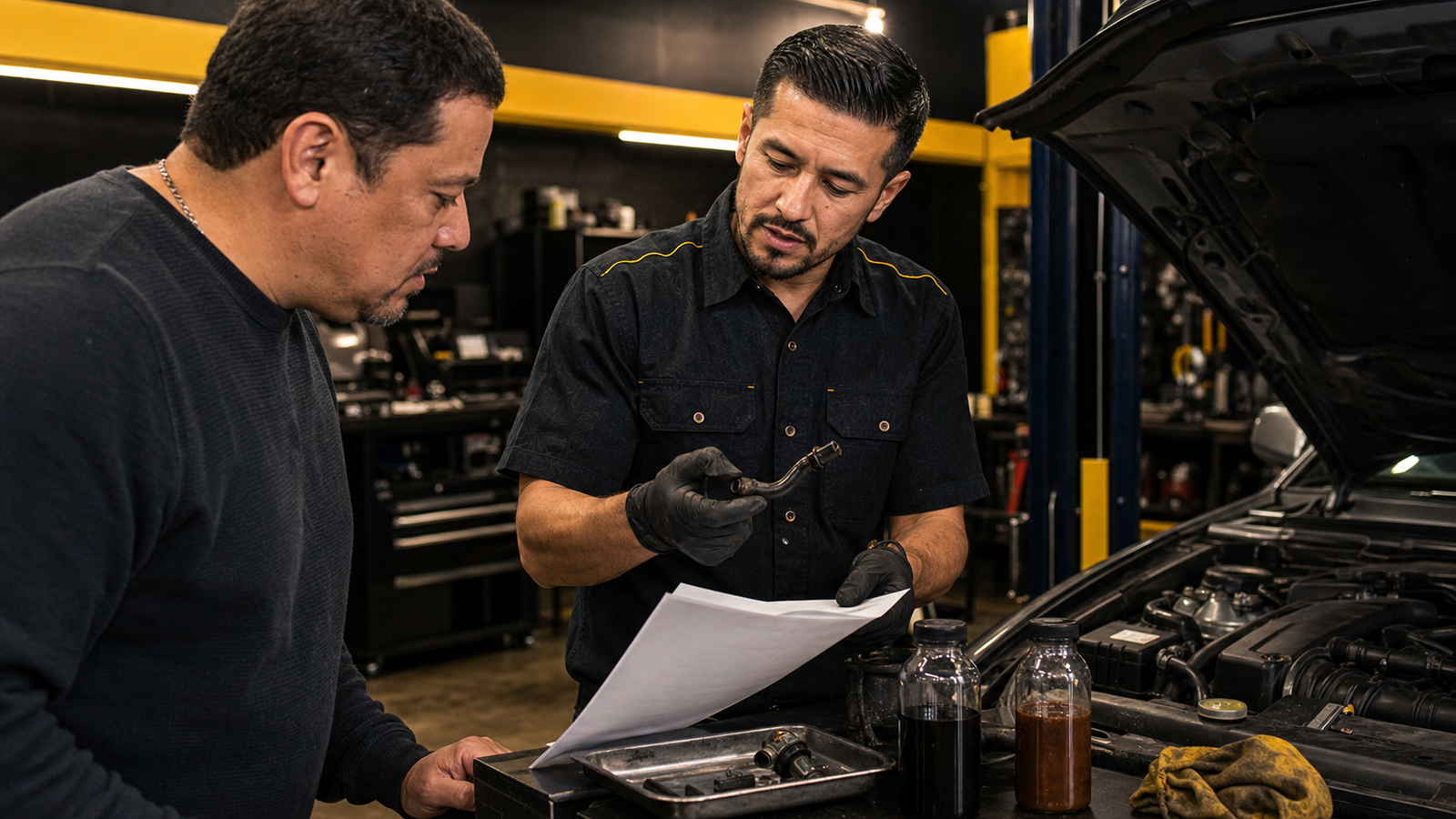
Test Ignition and Fuel Under the Right Load
A coil, plug, injector, pressure, or mixture problem may appear only during the same acceleration that the driver calls transmission slip.
Build the engine-service decision from observable evidence: exact operating condition, scan data, fluid or component findings, measurements, and the competing causes that were checked. Similar complaints can come from electrical, hydraulic, mechanical, engine, brake, tire, or driveline faults. Photos, codes, invoices, and dated notes are more reliable than memory after the symptom or conversation changes.
Testing should end with a named result and a reason for the proposed next step. If the concern only appears hot, loaded, or after driving toward Elwood, the inspection plan needs to reproduce that condition without risking additional damage. Preserve the evidence before codes are cleared, parts are removed, or the vehicle changes hands.
05
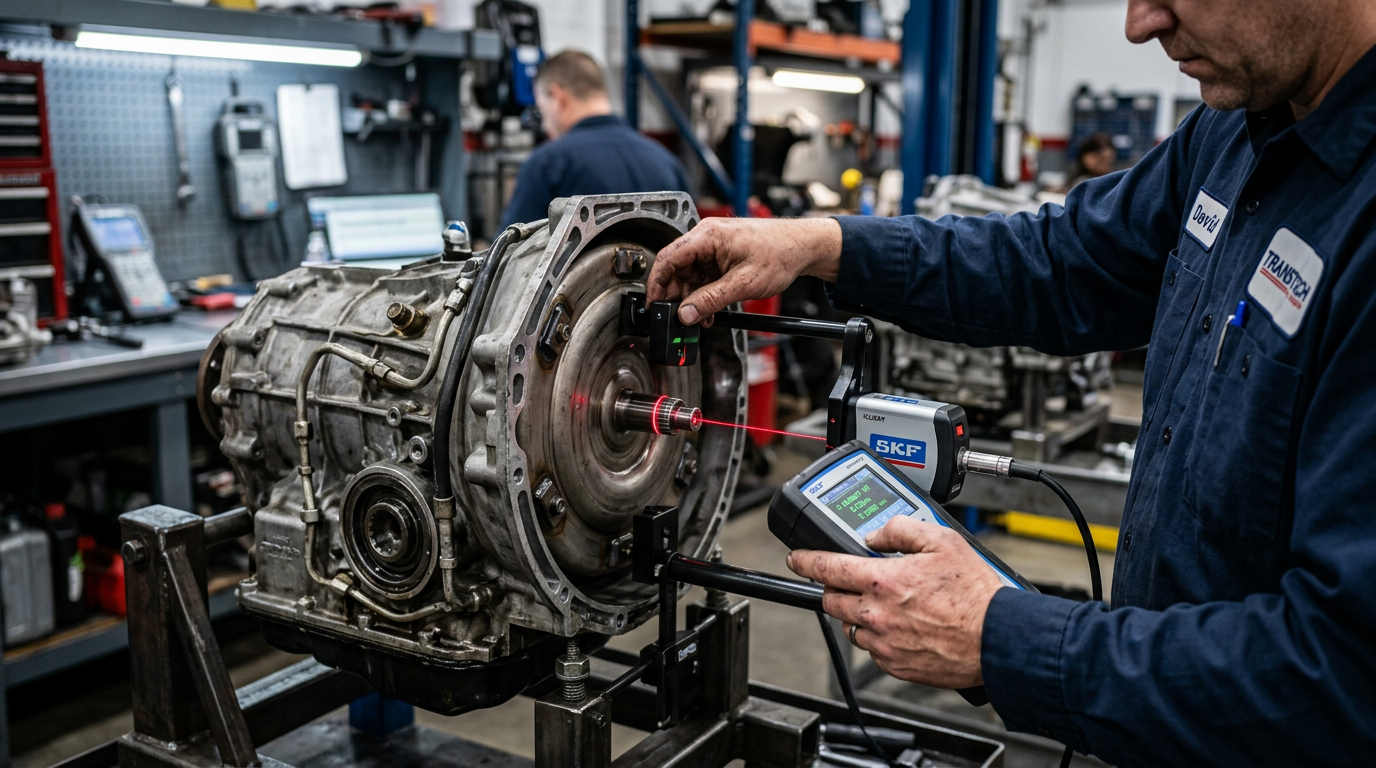
Treat Overheating as a Shared Risk
Cooling faults can damage the engine and raise transmission temperature, especially in I-80 traffic, towing, or high ambient heat.
Keep the engine-service decision concrete by recording the vehicle, date, responsible party, observed condition, documents reviewed, and evidence still missing. That is more useful than another broad service promise. Separate immediate safety from scheduling convenience and ordinary follow-up.
A useful engine-service decision names what happens next near Joliet: monitor, park, tow, schedule a defined test, compare written terms, authorize a stated scope, or preserve records for follow-up. If responsibility or price is unclear, clarify it before the decision moves forward. If the risk is active, direct roadside or emergency contact comes before an ordinary website reply.
06
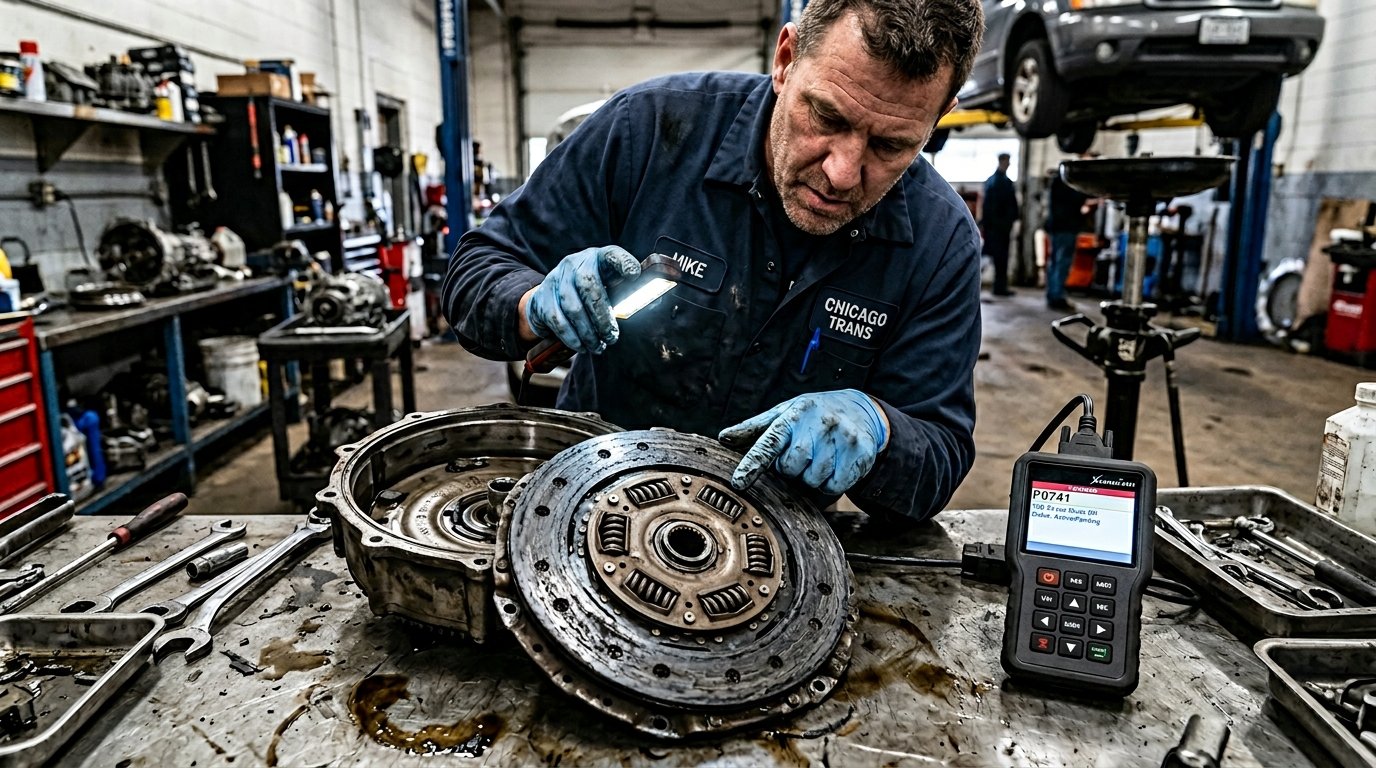
Inspect Mounts and Driveline Movement
Collapsed mounts can create clunks, vibration, and harsh engagement sensations without an internal transmission failure.
Build the engine-service decision from observable evidence: exact operating condition, scan data, fluid or component findings, measurements, and the competing causes that were checked. Similar complaints can come from electrical, hydraulic, mechanical, engine, brake, tire, or driveline faults. Put confirmed work and possible additions on different lines before authorization.
Testing should end with a named result and a reason for the proposed next step. If the concern only appears hot, loaded, or after driving toward Elwood, the inspection plan needs to reproduce that condition without risking additional damage. A later finding may change the plan, but it should not change the authorized total without another clear approval.
07
Preserve Codes and Freeze-Frame Data
Clearing evidence before diagnosis can erase the temperature, load, speed, and RPM conditions needed to reproduce an intermittent fault.
Keep the engine-service decision concrete by recording the vehicle, date, responsible party, observed condition, documents reviewed, and evidence still missing. That is more useful than another broad service promise. Ask which person or company issues the document that controls the decision.
A useful engine-service decision names what happens next near Joliet: monitor, park, tow, schedule a defined test, compare written terms, authorize a stated scope, or preserve records for follow-up. If responsibility or price is unclear, clarify it before the decision moves forward. Website guidance can organize the question; only the responsible provider, lender, seller, buyer, or warranty issuer can create the controlling terms.
08
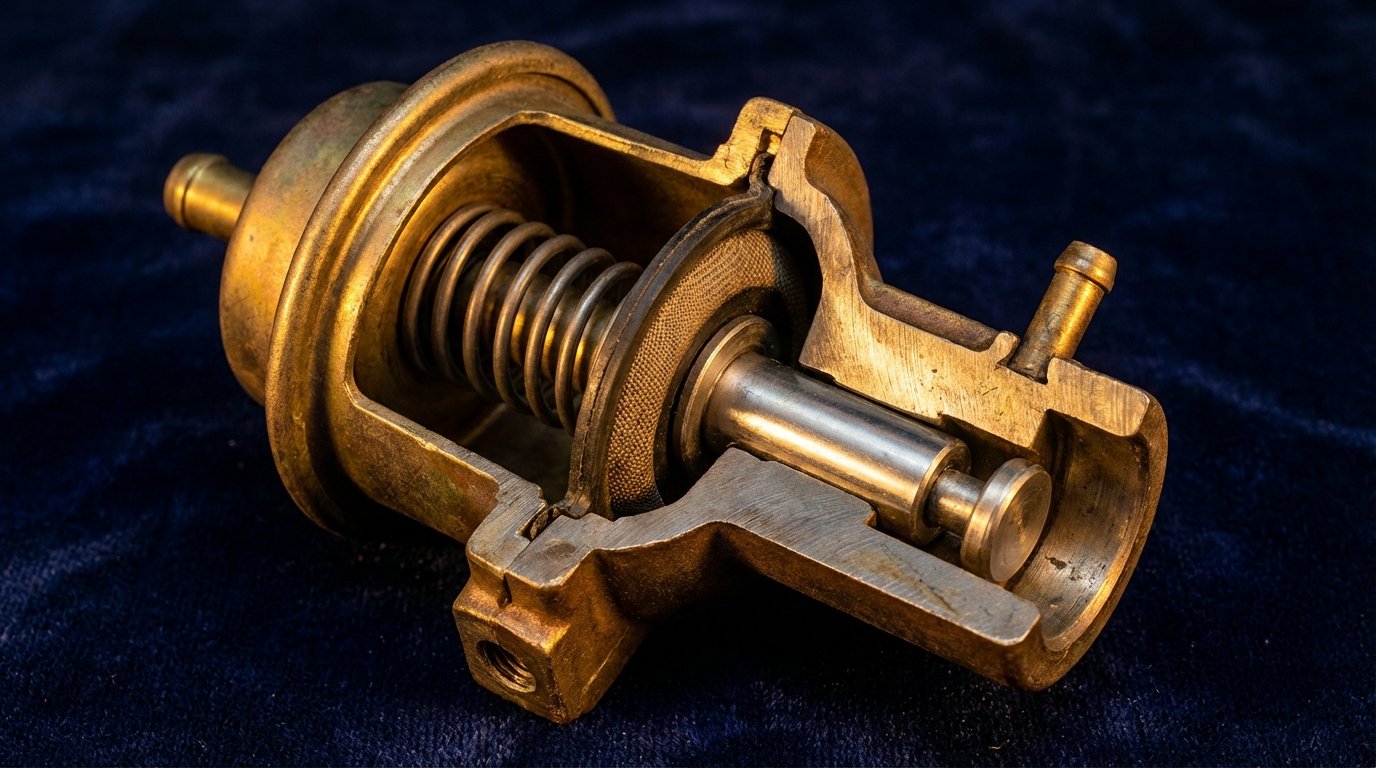
Define the Engine Repair Scope
The estimate should identify the failed system, test result, parts, labor, fluids, programming, additions, and verification plan.
Build the engine-service decision from observable evidence: exact operating condition, scan data, fluid or component findings, measurements, and the competing causes that were checked. Similar complaints can come from electrical, hydraulic, mechanical, engine, brake, tire, or driveline faults. Finish with one named next action and a record the Joliet-area driver can keep.
Testing should end with a named result and a reason for the proposed next step. If the concern only appears hot, loaded, or after driving toward Elwood, the inspection plan needs to reproduce that condition without risking additional damage. The result should leave less uncertainty than the request started with.
09
Recheck the Original Shift Complaint
After engine repair, the same road and load condition should confirm whether shudder, power loss, or harshness is actually resolved.
Keep the engine-service decision concrete by recording the vehicle, date, responsible party, observed condition, documents reviewed, and evidence still missing. That is more useful than another broad service promise. Confirm the result under a safe version of the condition that produced the original complaint.
A useful engine-service decision names what happens next near Joliet: monitor, park, tow, schedule a defined test, compare written terms, authorize a stated scope, or preserve records for follow-up. If responsibility or price is unclear, clarify it before the decision moves forward. A completed step should be visible in measurements, operating behavior, documents, or all three.
10
Stop for Oil Pressure, Overheat, or Severe Misfire Warnings
A flashing warning, overheating, knocking, oil-pressure loss, smoke, or unsafe power loss calls for parking and towing discussion.
Build the engine-service decision from observable evidence: exact operating condition, scan data, fluid or component findings, measurements, and the competing causes that were checked. Similar complaints can come from electrical, hydraulic, mechanical, engine, brake, tire, or driveline faults. State the limit that turns a scheduled visit into a park-or-tow decision.
Testing should end with a named result and a reason for the proposed next step. If the concern only appears hot, loaded, or after driving toward Elwood, the inspection plan needs to reproduce that condition without risking additional damage. Do not use the short distance between Joliet and Elwood as proof that a serious condition is safe.
Questions Before Major Work
Shared cooling load and elevated fluid temperature can affect both systems. Diagnose the cooling problem and check transmission temperature and fluid condition.
Related engine and voltage faults may need attention first, but the full code set and symptom relationship should be evaluated rather than clearing codes blindly.
Separate lost engine power from lost transmission drive.
Use data from both systems before authorizing a major repair for a Joliet acceleration or shudder complaint.