It is a fully electric vehicle with a single-speed drive system, using one or two electric motors depending on version. It does not have a conventional multi-speed automatic transmission.
Joliet / Electric Drive Diagnosis / Tow Aware
Volvo C40 Recharge Drive Unit Help Near Joliet
Joliet-area Volvo C40 Recharge help for propulsion warnings, single-speed drive-unit noise, leaks, lost drive, written options, and flatbed recovery.
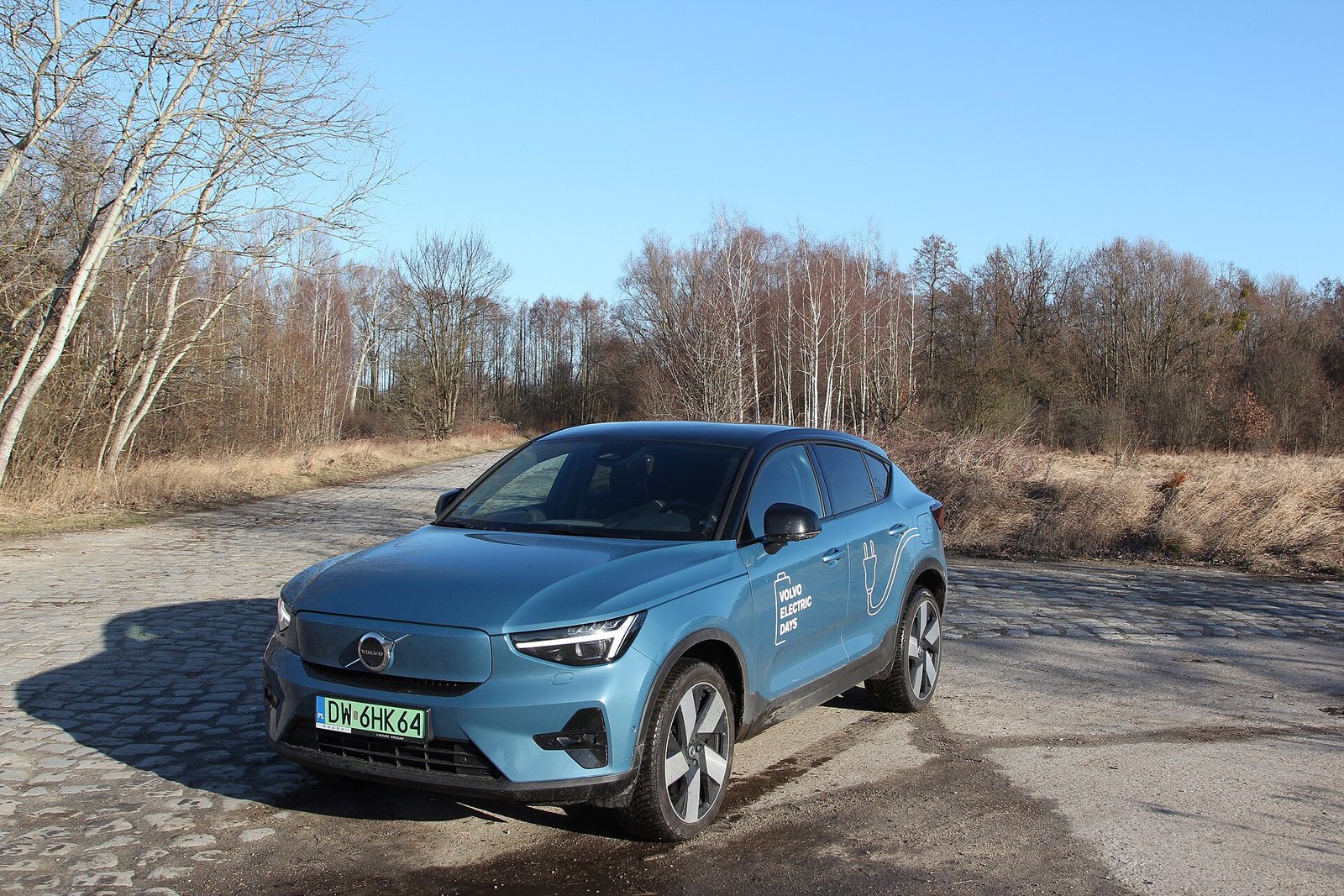
The C40 Recharge is a battery-electric Volvo. Its driveline uses a single-speed electric drive arrangement, with Single Motor and Twin Motor versions depending on model year and market. It does not shift through conventional automatic-transmission gears, so flare, converter, valve-body, and clutch-pack language does not belong in the diagnosis.
For a C40 Recharge that shows reduced propulsion near Jefferson Street, will not select a direction, develops a speed-related whine, or leaves fluid under one drive unit, the first job is to identify the exact front or rear assembly and capture evidence. That protects the owner from paying for a large drive-unit replacement when the cause is software, wiring, cooling, a mount, an axle, a bearing, or an external seal.
01
How a C40 Recharge Drive Concern Usually Shows Up
Watch for a propulsion-system or reduced-performance message, failure to enter Drive or Reverse, a thump when torque changes direction, vibration under acceleration, a hum or grind that follows vehicle speed, or fluid near a motor/reduction assembly. Because the car has a single-speed drive, there should not be a normal series of upshifts to diagnose.
Describe whether the event happened from a stop, during stronger power, at steady speed, while lifting off for regeneration, or in a turn. A noise that changes with steering load may lead toward a wheel bearing or axle; a warning tied to motor temperature or module communication requires a different path.
02
From Jefferson Street to Shorewood, Conditions Matter
A short cold trip around West Joliet does not load the drive system the same way as an I-55 or I-80 run toward Shorewood. Record outside temperature, battery state of charge, cabin heat or air-conditioning use, vehicle speed, road surface, and whether the problem appeared under power or regenerative braking.
Repeated rail crossings and rough pavement can also expose mount, suspension, or underbody noises that seem like a drive unit. A careful Joliet-area road test should reproduce the complaint without forcing the car after a safety warning appears.
03
Flatbed and Tow-Mode Decisions for a C40 Recharge
Do not continue toward the highway if the C40 Recharge loses propulsion, cannot select a direction, shows a critical electrical warning, leaks rapidly, overheats, or makes a harsh grind. Avoid orange high-voltage components and do not attempt a roadside disconnect or internal inspection.
Volvo instructs owners to use a recovery vehicle such as a flatbed for transport so the wheels are not turning on the ground. Tow mode is for short movement onto a recovery vehicle and only works when the car has power. Tell the operator if the vehicle will not power on or is in safety mode so the recovery plan fits the manual.
04
Confirm Single Motor or Twin Motor Before the Quote
Use the VIN and model year to confirm Single Motor or Twin Motor, axle location, drive-unit part numbers, and current software. Volvo changed motor layouts across the C40 Recharge run, so model name alone is not enough for a used assembly, seal, inverter-related part, or calibration.
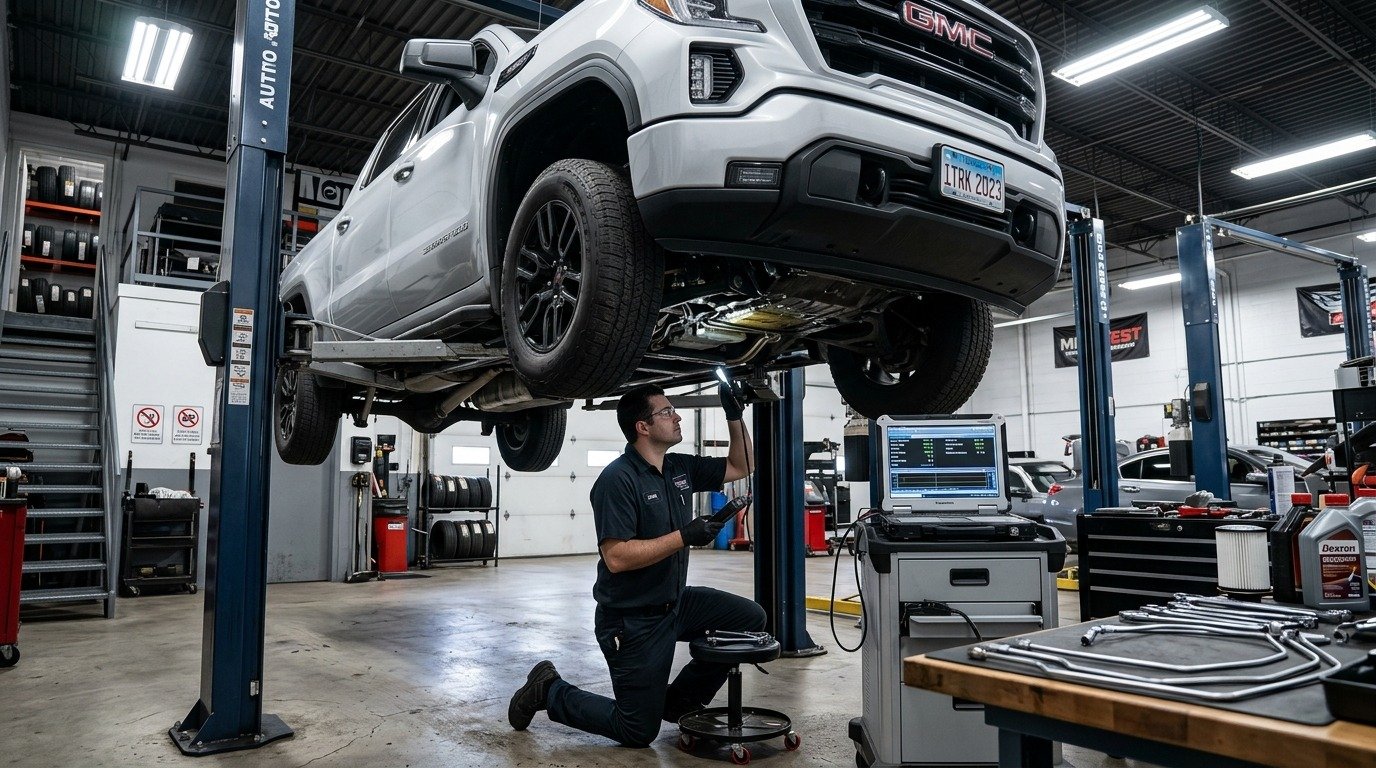
A full scan should include vehicle control, high-voltage battery, inverter, electric motor, brake, stability, and chassis modules. Save event data, temperature, requested and delivered torque, motor speed, isolation or interlock information, and network faults rather than clearing the car before the record is captured.
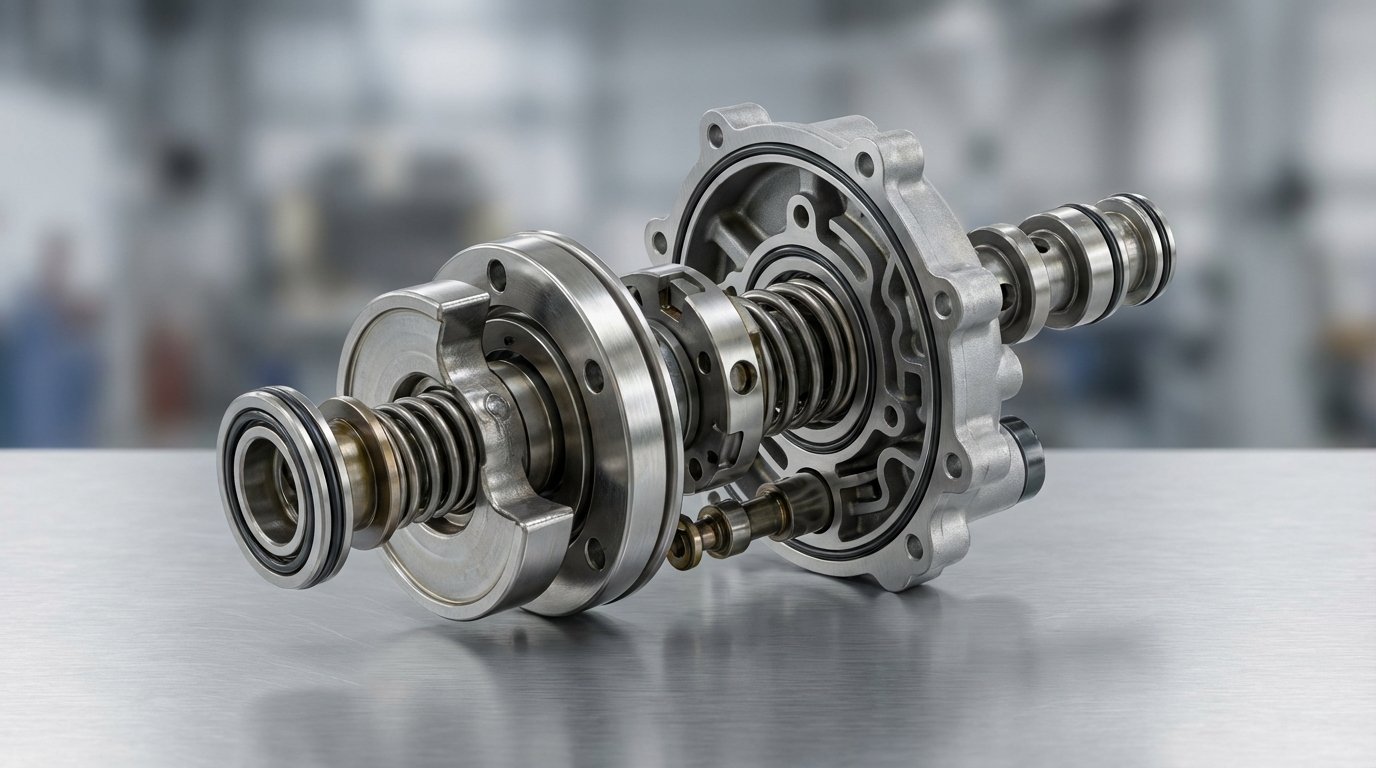
The estimate should name the actual system under test: 12-volt supply, high-voltage circuit, power electronics, motor, single-speed reduction gear, differential, half-shaft, mount, cooling loop, or software. Calling all of it a transmission hides the decision the owner is being asked to make.
05
Build a Repeatable C40 Recharge Test Record
If safe, compare the first launch of the day, low-speed parking, moderate acceleration, steady cruise, lift-off regeneration, and gentle turns while relevant data is logged. Note whether a sound comes from the front or rear and whether it changes with torque direction or only with wheel speed.
When the warning is severe, skip the public-road test. Stored events, lift checks, chassis-ear testing, leak inspection, lubricant findings, manufacturer test plans, and electrical measurements can provide safer evidence. High-voltage work requires trained personnel and the specified protective procedure.
06
Drive-Unit Lubricant Is Not an Automatic-Transmission Flush
The reduction gears and bearings use specified lubricant, while the electric drive and battery systems also depend on managed cooling. A fluid spot may come from a reduction-drive seal, axle seal, coolant connection, brake system, or another source. Clean and trace it before ordering a drive unit.
Ask for the exact Volvo specification and level procedure. A fluid exchange will not cure a damaged bearing, gear, motor, inverter, or sealing surface. If metal or contamination is found, the written report should connect it to the affected front or rear assembly.
07
Power Supply, Software, Inverter, and Motor-Signal Checks
A tired 12-volt battery, poor ground, communication fault, connector damage, failed cooling component, software issue, isolation fault, inverter problem, or rotor-position signal can reduce or disable propulsion. Those paths need testing before the motor and gear assembly is condemned.
Review recent software updates, charging or collision work, water intrusion, motor and inverter temperatures, wheel-speed data, brake requests, and regeneration behavior. A diagnostic report should state which test failed and why that result supports the recommended part.
08
What Supports an Internal Drive-Unit Failure
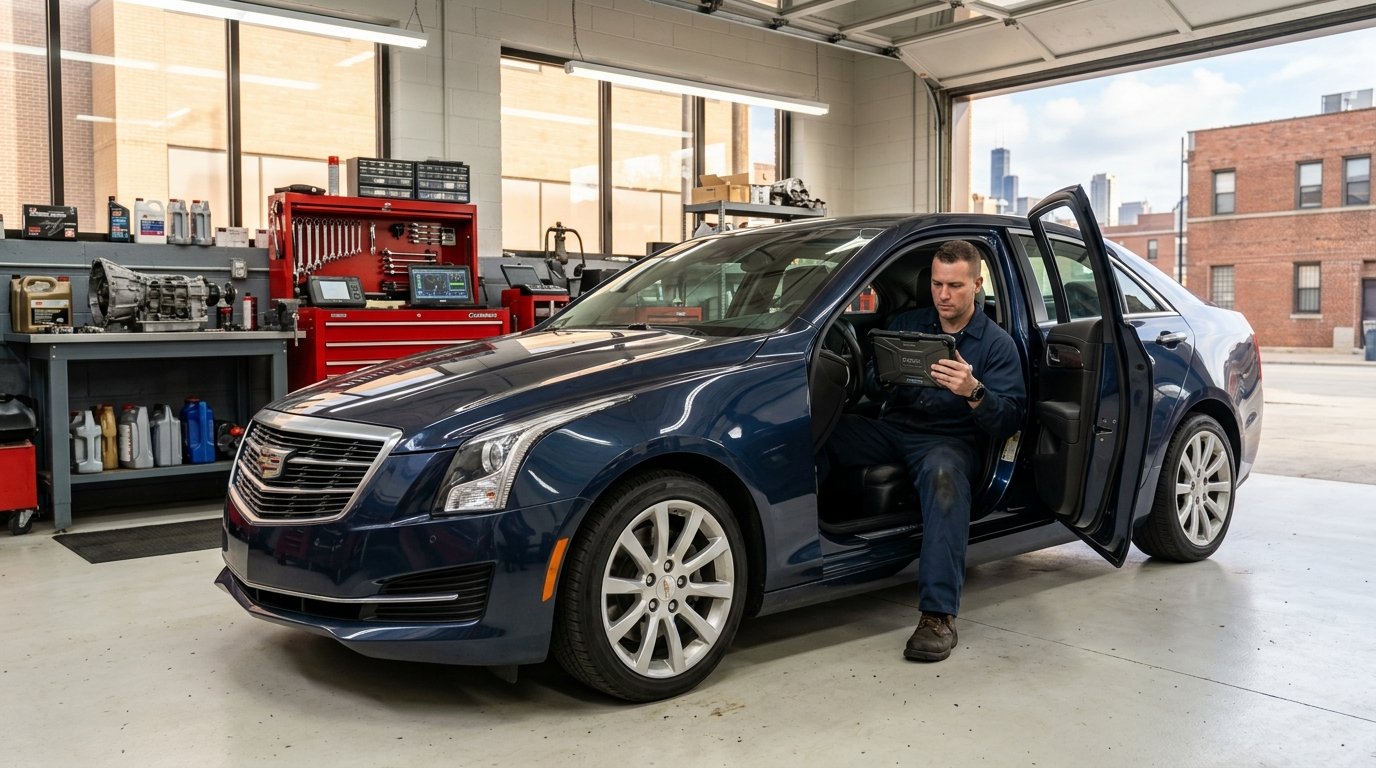
An assembly recommendation becomes stronger when testing localizes bearing or gear noise, finds excessive play, confirms an internal seal path, detects metal in the correct lubricant, or isolates an electrical fault inside the motor or drive unit. On a Twin Motor car, the record must identify the front or rear unit.
Rule out tire pattern noise, wheel bearings, half-shafts, mounts, brake drag, underbody contact, and software behavior. Those items can create a convincing imitation, especially when the complaint appears only at one speed or during a torque transition.
09
Smaller C40 Recharge Repairs That Testing May Support
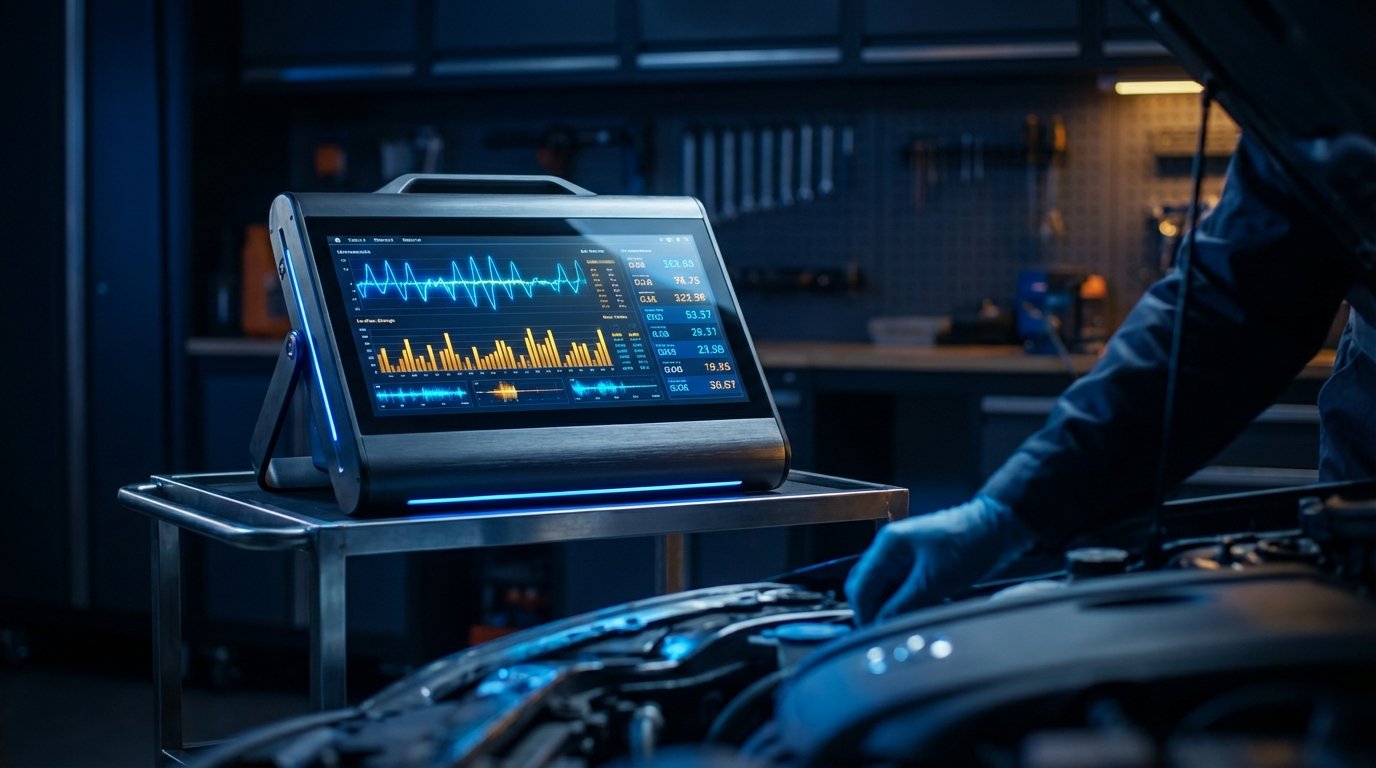
A focused repair may address a 12-volt supply fault, wiring or connector damage, software, cooling hardware, a mount, half-shaft, external seal, or another separately serviced component. The scope should include the required high-voltage disable, fluids or coolant, programming, and final scan.
Ask whether Volvo service information supports the component repair and whether opening an assembly affects warranty. Put a written approval checkpoint between the known repair and any larger drive-unit authorization discovered after removal.
10
Do Not Approve a Generic C40 Recharge Rebuild
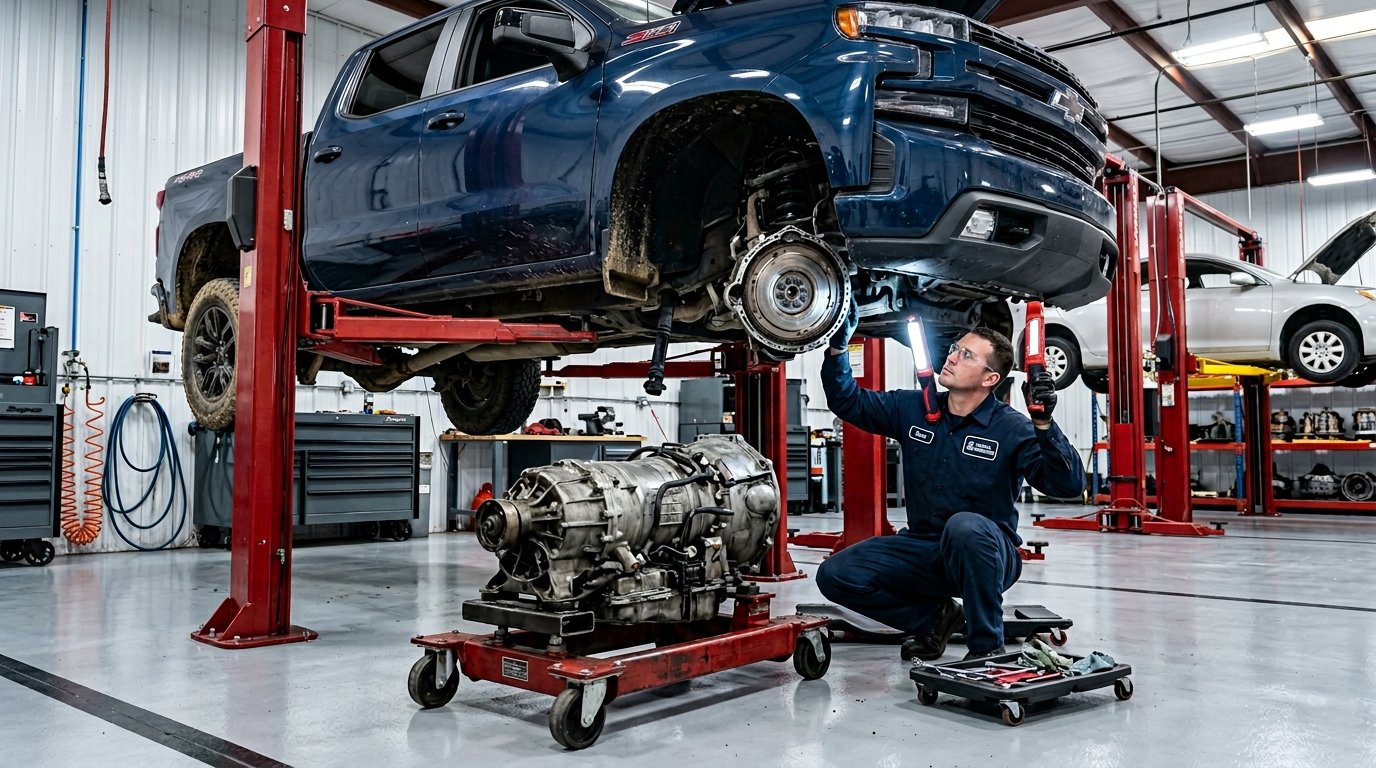
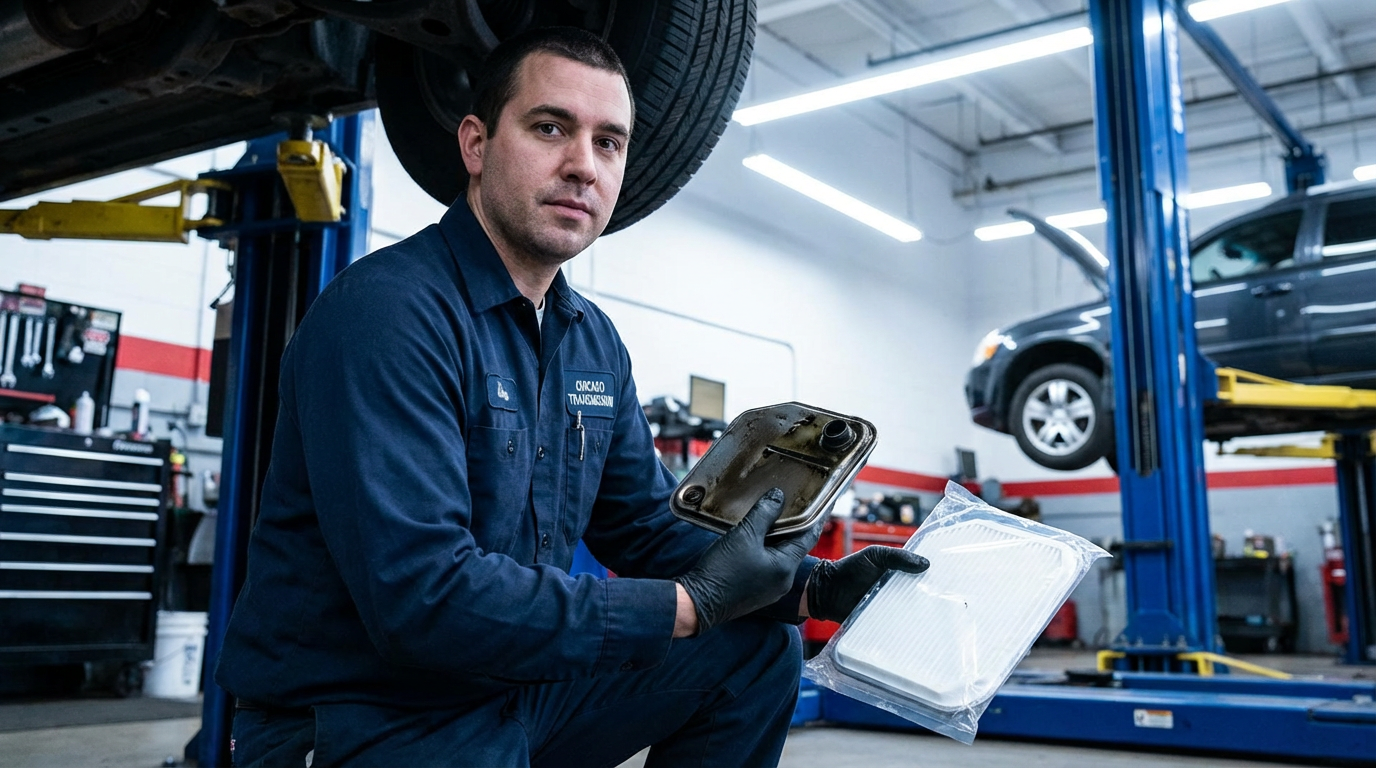
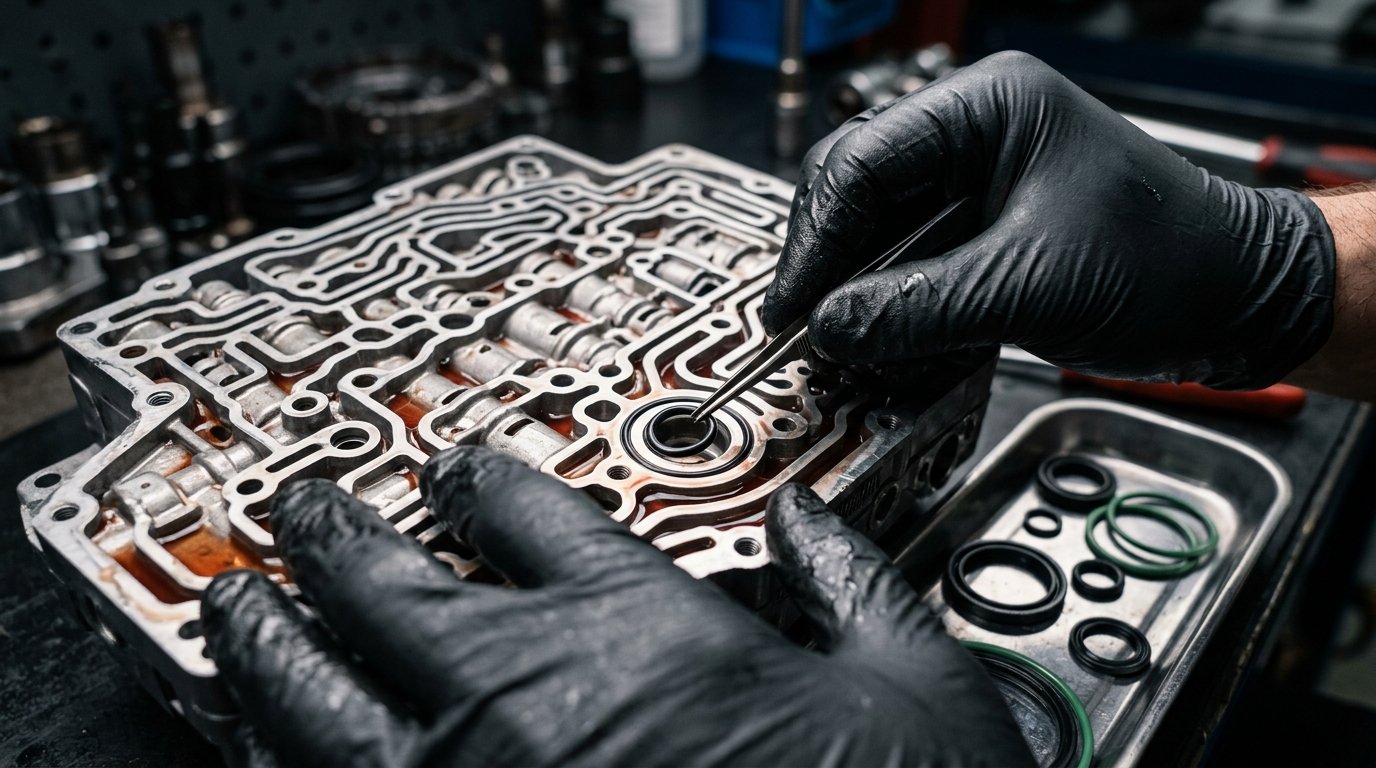
A gasoline-vehicle transmission rebuild is not the correct description for the C40 Recharge. There is no torque converter, hydraulic valve body, or conventional friction-clutch overhaul. Specialized motor, bearing, seal, or reduction-gear service may exist for a particular assembly, but it must be named and supported.
Require a written list of operations, replacement parts, software work, testing, and warranty. If the provider means complete drive-unit replacement, the estimate should say replacement instead of using rebuild language that obscures the actual job.
11
Comparing C40 Recharge Drive-Unit Replacements
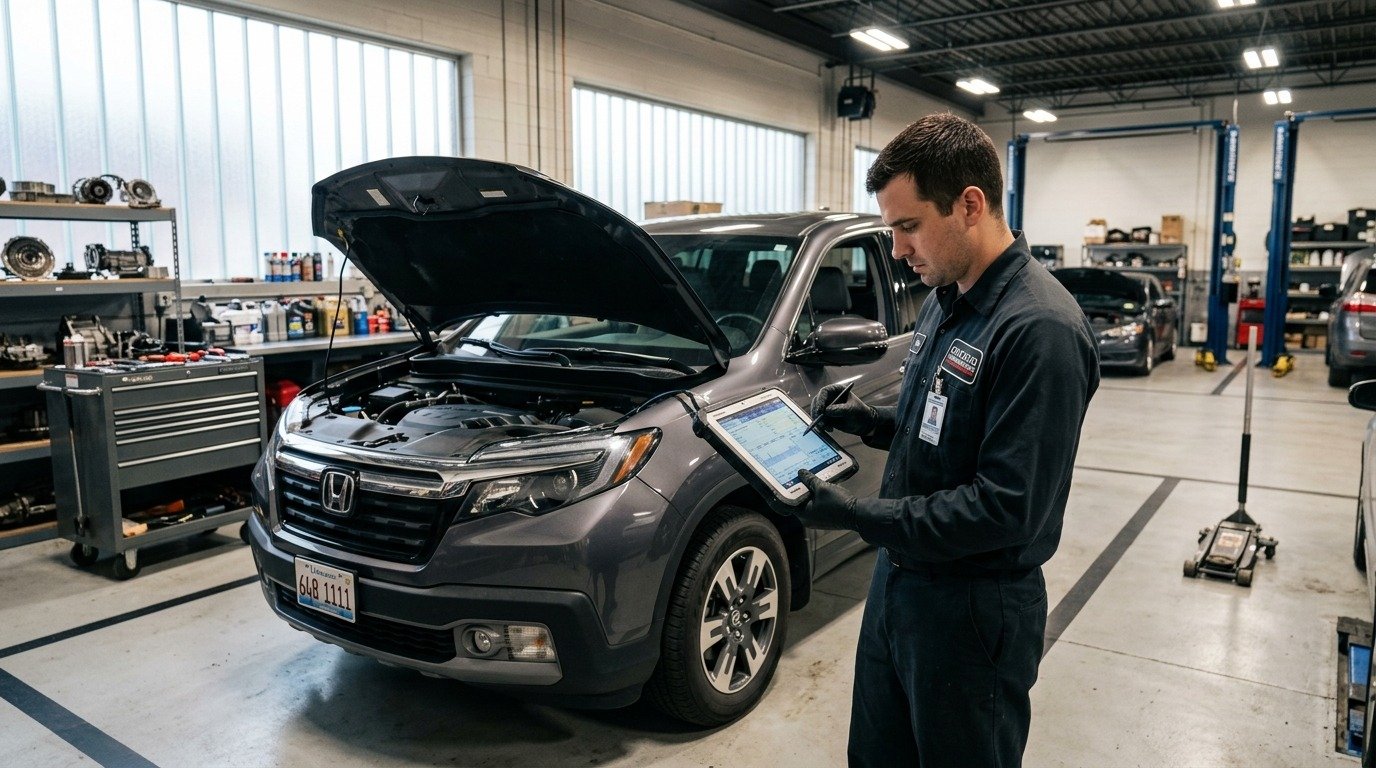
For a used, new, or remanufactured assembly, verify VIN fitment, front or rear location, Single Motor or Twin Motor configuration, part supersessions, software compatibility, mileage, storage, shipping protection, and exactly what electronics or hardware are included.
Compare the installed price with core and freight charges, seals, lubricant, coolant, subframe and axle labor, alignment, programming, expected lead time, and written warranty. A low assembly price can become expensive when required supporting work is excluded.
12
A Clear C40 Recharge Estimate Names the Failed System
The estimate should separate diagnostic labor, EV safety procedures, scan and electrical tests, mechanical inspection, exact part numbers, fluids and coolant, software, axle or subframe labor, alignment, towing, taxes, and possible further authorization.
Ask for codes, test values, noise-location notes, leak photos, and warranty terms. Before spending thousands, make sure the quote explains why the proposed front or rear drive unit is the cause rather than a wheel bearing, axle, mount, control fault, or power-supply problem.

13
Coverage, Parts Lead Time, and Daily Use
Check the VIN for remaining vehicle, electric-drive, battery, or replacement-part coverage before approving outside work. Eligibility varies with in-service date, mileage, component, and cause, and may require an authorized inspection.
A family C40 Recharge used between Shorewood and Joliet may need a realistic rental and charging plan while an EV-qualified facility sources the exact assembly. Balance downtime, total installed price, warranty, vehicle condition, loan balance, and how long the owner plans to keep it.
14
Verification After C40 Recharge Driveline Work
A final check should show normal module communication, no returning propulsion or isolation faults, correct lubricant and coolant levels where disturbed, no leak, and smooth power and regeneration. Recheck the original road-speed, temperature, acceleration, or coastdown condition.
Keep the part number, software record, fluid specifications, alignment report, scan results, and warranty. Report a returning warning, hum, grind, vibration, clunk, or fluid spot before the condition grows.
15
Send the C40 Recharge Warning and Conditions
Provide the model year, VIN, Single Motor or Twin Motor status, mileage, exact dashboard message, code report, state of charge, temperature, leak location, recent repair or charging history, and whether the event occurred under power, cruise, regeneration, or turning.
If it cannot move correctly or shows a serious electrical warning, arrange the recovery method described by Volvo rather than dragging it toward Joliet. The immediate goal is to choose flatbed recovery or qualified EV diagnosis and then compare focused repair with a correctly identified drive-unit replacement.
Questions Before Major Work
Volvo warns against transporting it with the wheels rotating on the ground. Tow mode is for short positioning onto a recovery vehicle and requires power; a disabled car may need full recovery.
Yes. Depending on test results, causes can include the 12-volt supply, wiring, connectors, software, cooling, a mount, axle, wheel bearing, external seal, inverter, motor sensor, or an internal drive-unit fault.
Name the C40 Recharge fault before pricing the drive unit.
Send the VIN, warning text, codes, motor configuration, noise or loss-of-drive details, and location near Joliet. Get a tow-aware diagnostic next step before authorizing a major EV assembly.