The transmission controller calculated a gear ratio that did not agree with the ratio expected for the commanded operating state. It does not identify which sensor, circuit, hydraulic part, clutch, belt, gearset, calibration, or complete unit caused the mismatch.
Joliet / Ratio Evidence / Written Repair Boundary
P0730: Prove the Ratio Error Before Naming Transmission Damage
P0730 guide for Joliet drivers: preserve ratio data, compare commanded and actual operation, judge tow risk, and require proof before authorizing transmission work.
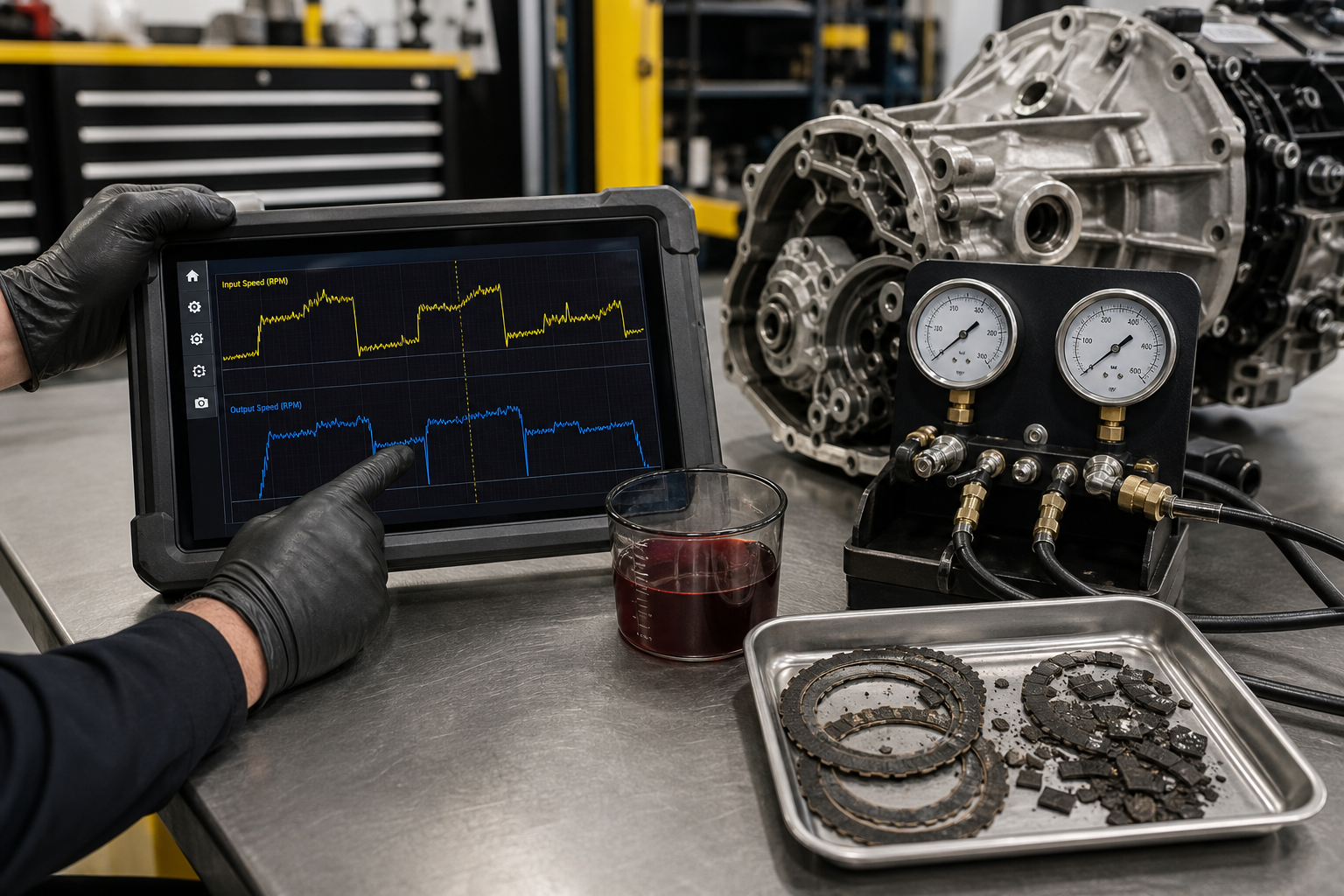
P0730 reports a ratio mismatch, not the failed part. The transmission controller expected one relationship among engine speed, turbine or input speed, output speed, selected range, and commanded gear, but the measured relationship fell outside its allowed window. That can happen when a clutch or belt slips, a hydraulic apply circuit loses pressure, a speed signal is wrong, the wrong unit or calibration is installed, fluid supply is unstable, or an unusual operating event makes valid speed data look impossible.
The useful diagnosis begins with the complete module record, not a generic code description. Preserve freeze-frame and failure records before clearing the code. Identify the exact transmission and software level, learn which ratio the controller rejected, compare commanded and actual operation under a controlled condition, and document what separates a signal or control fault from real internal slip. P0730 can support major work, but only after the evidence names the failed function and rules out a false-state or unit-specific service issue.
01
What P0730 May Feel Like From the Driver's Seat
A driver may notice an engine-speed flare during an upshift, a hard catch after the flare, delayed movement when drive or reverse is selected, a transmission warning, reduced-power operation, or a unit that stays in one gear. Some vehicles set the code with little more than a warning light. Others lose acceleration because the controller limits operation after it detects that the expected ratio is not being held.
Describe the event as a sequence. Note the selected range, road speed, engine speed, throttle, temperature, hill or load, warning message, and whether the tachometer rose without a matching increase in vehicle speed. A vibration that follows road speed can come from tires, axles, mounts, or the driveline. A flare that appears during the same commanded shift at the same temperature creates a different diagnostic path. The timing of the symptom matters more than the word 'slipping' by itself.
02
Joliet Traffic Can Reveal the Operating Window
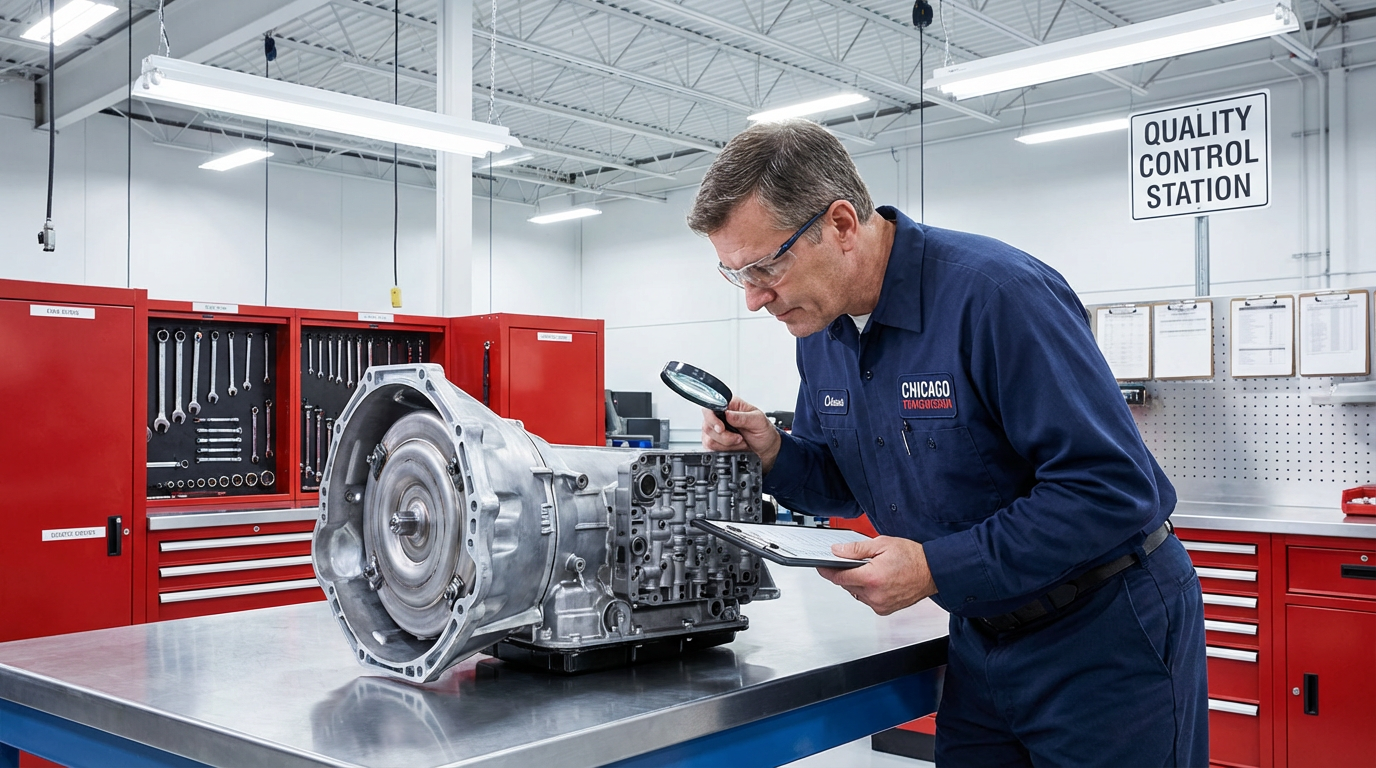
A P0730 event after a cold start near downtown Joliet is not the same test condition as one that appears after slow summer traffic on Jefferson Street. A flare during an I-80 merge may require a controlled loaded shift while input speed, output speed, commanded gear, actual ratio, pressure command, throttle, and temperature are recorded together. A code after a rail crossing or rough section of Collins Street can also make connector and harness movement worth checking.
Tell the diagnostic provider whether the vehicle came from Elwood, Shorewood, Crest Hill, Plainfield, or another nearby area; whether it was carrying cargo or towing; and how long it had been driven before the event. A delivery vehicle working around the I-80 logistics corridor and a family car making short local trips may expose the same fault at very different temperatures. Local context should define the reproduction plan, not predetermine a repair.
03
When a Ratio Code Should Become a Tow Decision
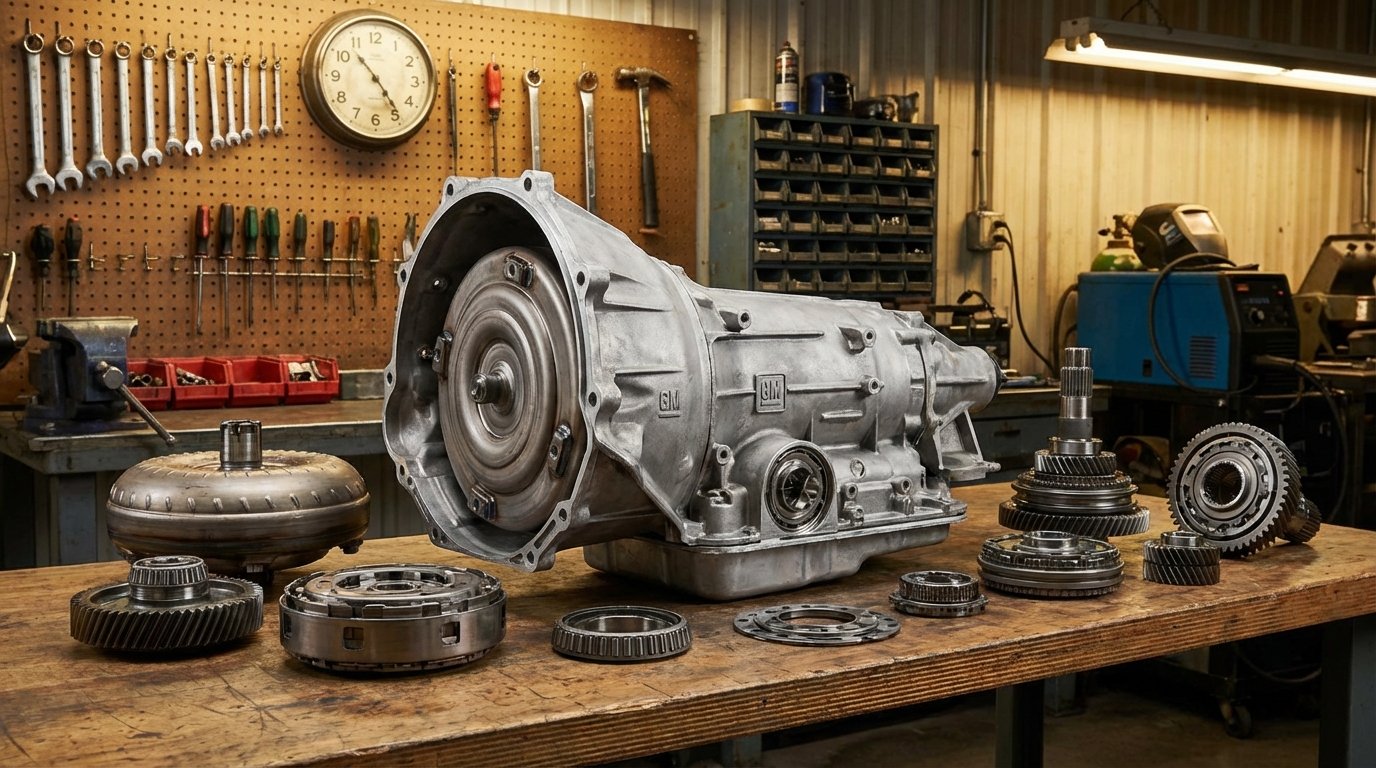
Stop driving and ask about an appropriate tow when drive or reverse will not engage reliably, engine speed rises without matching road speed, the vehicle repeatedly falls out of gear, acceleration is not dependable for traffic, a temperature warning appears, fluid is leaving quickly, or shifts are violent enough to affect control. Repeatedly forcing a slipping element to carry load can add heat and debris to a problem that may have started in one circuit.
A stored code with stable engagement, no active leak, no overheat warning, and normal acceleration may allow a short planned diagnostic trip, but the code alone cannot make that promise. Distance, traffic, symptom severity, and the availability of a safe alternate route matter. Describe the behavior and current location before moving the vehicle. If the answer is uncertain, protecting the unit and avoiding a breakdown on I-55 or I-80 is the priority.
04
Build the Ratio Diagnosis From the Module Record
Start with an all-module scan and preserve confirmed, pending, history, and permanent codes plus freeze-frame or failure-record data. Record battery voltage, engine speed, turbine or input speed, output speed, commanded gear, selected range, temperature, throttle, pressure command, and adaptation values when the platform supplies them. A parts-store printout may identify P0730, but it rarely contains enough transmission-controller detail to explain why the ratio monitor failed.
Confirm the VIN, engine, drivetrain, build data, unit tag or code, tire size, final-drive configuration, and software or calibration identity. An incorrect replacement unit, mismatched controller, wrong final-drive ratio, unsupported tire change, or incomplete programming can create ratio evidence that resembles internal slip. The diagnostic record should show which expected ratio was used and which measured speeds disagreed.
| Record | Why it matters | Next question |
|---|---|---|
| Code status and occurrence count | Separates a current repeatable fault from an old or one-time event | Did P0730 return under the same condition after data was preserved? |
| Engine speed at the event | Shows whether the powertrain was running and supplying a meaningful reference | Was the engine running normally, stalled, or at zero rpm? |
| Input or turbine speed | Represents transmission input after converter or clutch behavior | Is the signal plausible, smooth, and consistent with engine speed? |
| Output speed | Provides the driven-speed side of the calculated ratio | Does it agree with vehicle speed and remain free of dropouts? |
| Commanded and actual gear | Identifies the shift or holding event the controller rejected | Did the mismatch occur during apply, after apply, or during coastdown? |
| Temperature and load | Can expose heat-sensitive leakage, fluid supply, or clutch-capacity limits | Does the fault repeat cold, hot, uphill, loaded, or at light throttle? |
| Companion codes | May point to a speed sensor, pressure, solenoid, communication, or engine event | Which code set first and which one best explains the ratio calculation? |
| Unit and calibration identity | Prevents a mismatch from being mistaken for wear inside the correct unit | Do VIN, hardware, final drive, tire size, and software all agree? |
05
Compare Commanded Ratio, Measured Speeds, and Slip
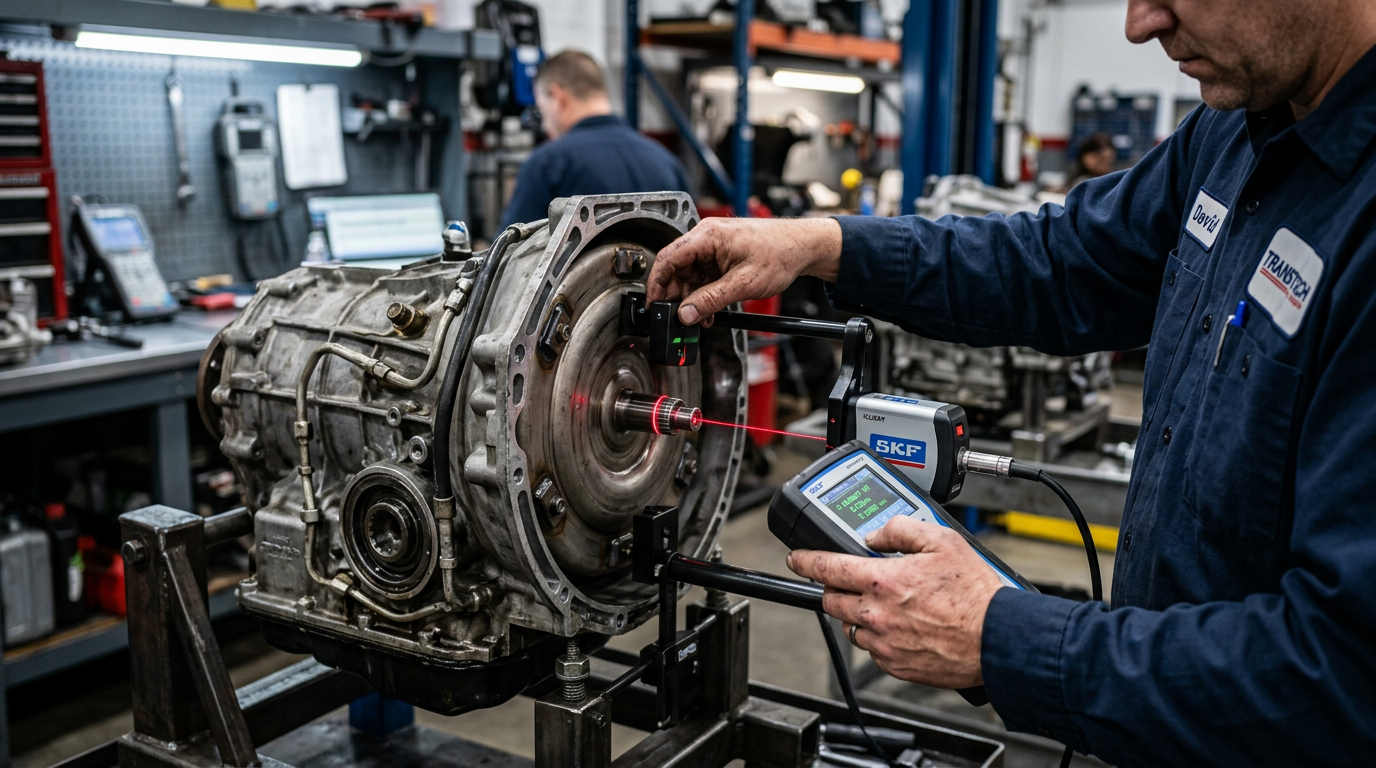
A controlled road test should reproduce the event without abusing the vehicle. Graph engine, input, and output speeds with commanded gear, shift state, converter-clutch command, pressure command, throttle, load, and fluid temperature. The useful question is not simply whether P0730 returns. It is whether one sensor becomes implausible, the commanded element applies late, a ratio drifts after apply, or the entire event follows another engine, voltage, or network problem.
If the vehicle cannot be driven safely, equivalent evidence may come from a lift check, stationary engagement testing, bidirectional commands, pressure tests, electrical tests, fluid and pan inspection, and unit-specific procedures. Do not clear adaptations or reprogram first when doing so would erase the pattern that needs to be measured. Capture the failure, then make only the authorized change and repeat the same test condition.
| Observed pattern | What it can suggest | Proof still needed |
|---|---|---|
| Input speed jumps while output speed barely changes | A real flare or loss of holding capacity | Commanded shift state, pressure response, fluid condition, and repeatability |
| One speed signal drops instantly to zero | Sensor, tone wheel, wiring, power, ground, or module input fault | Waveform, circuit load test, connector inspection, and physical target check |
| Calculated ratio is wrong in every range | Wrong unit, final drive, calibration, tire data, or an invalid speed reference | VIN and hardware identification plus known-good speed comparison |
| Ratio error appears only fully warm | Heat-sensitive hydraulic leakage, fluid aeration, or marginal clutch capacity | Temperature-linked pressure, slip, level, and pan evidence |
| P0730 follows an engine stall or zero-rpm event | A false-state ratio calculation on an applicable vehicle | Freeze-frame review and exact bulletin or service-information applicability |
| Slip begins during one repeatable shift | A specific clutch, band, valve, solenoid, or apply-circuit problem | Unit hydraulic logic, command response, pressure, and debris inspection |
| Pressure command rises but ratio still drifts | Controller compensation for leakage or reduced mechanical capacity | Actual pressure where service information allows and internal evidence |
| Code does not return after an identified software correction | The applicable calibration addressed the monitoring or control condition | Correct VIN scope, completed update record, and verification drive |
06
Fluid Level and Condition Support the Case but Do Not Finish It
Check fluid with the exact unit-specific temperature, range-cycling, fill-port, and vehicle-level procedure. Low fluid can uncover a pickup, aerate the supply, delay apply, and reduce clutch capacity. Overfilling can foam the fluid. The wrong fluid can change friction behavior. A leak should be cleaned and traced to its actual source rather than described only as red fluid under the vehicle.
Color alone cannot prove a rebuild. Record odor, level, service history, visible debris, pan material, magnet loading, filter condition, and whether the sample was taken before additives or new fluid changed the evidence. Heavy friction material, metal, or repeatable slip adds weight to an internal-failure case. Clean fluid does not overrule measured slip, and dark fluid does not identify which component failed.

07
Test Speed Signals, Pressure Control, and Apply Commands in Order
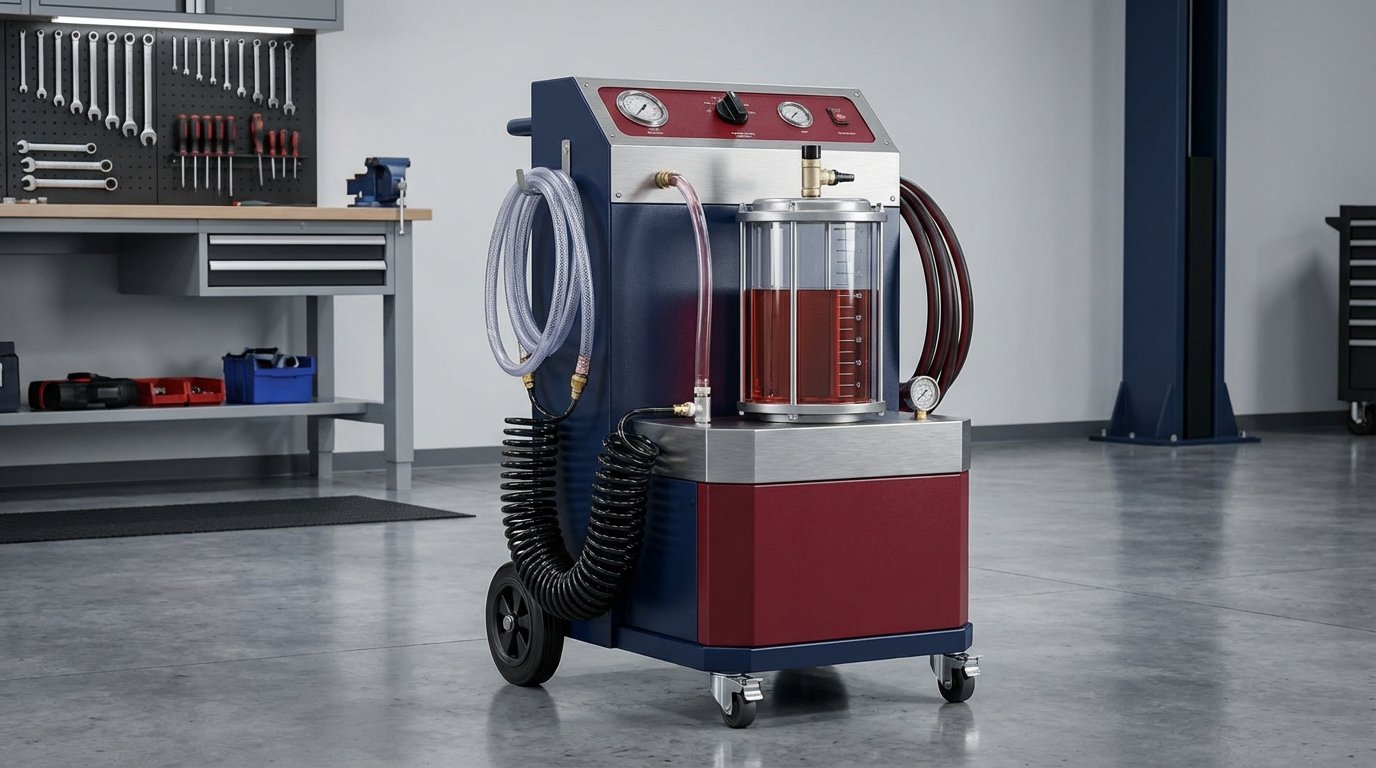
Before condemning internal parts, verify battery and charging stability, grounds, module communication, fuses, relays, connectors, harness routing, and any shared sensor reference. Compare scan speed values with a scope or other known reference when the service procedure calls for it. A plausible-looking scan value can still be wrong if a sensor has missing teeth, electrical noise, heat-related dropout, or the wrong scaling.
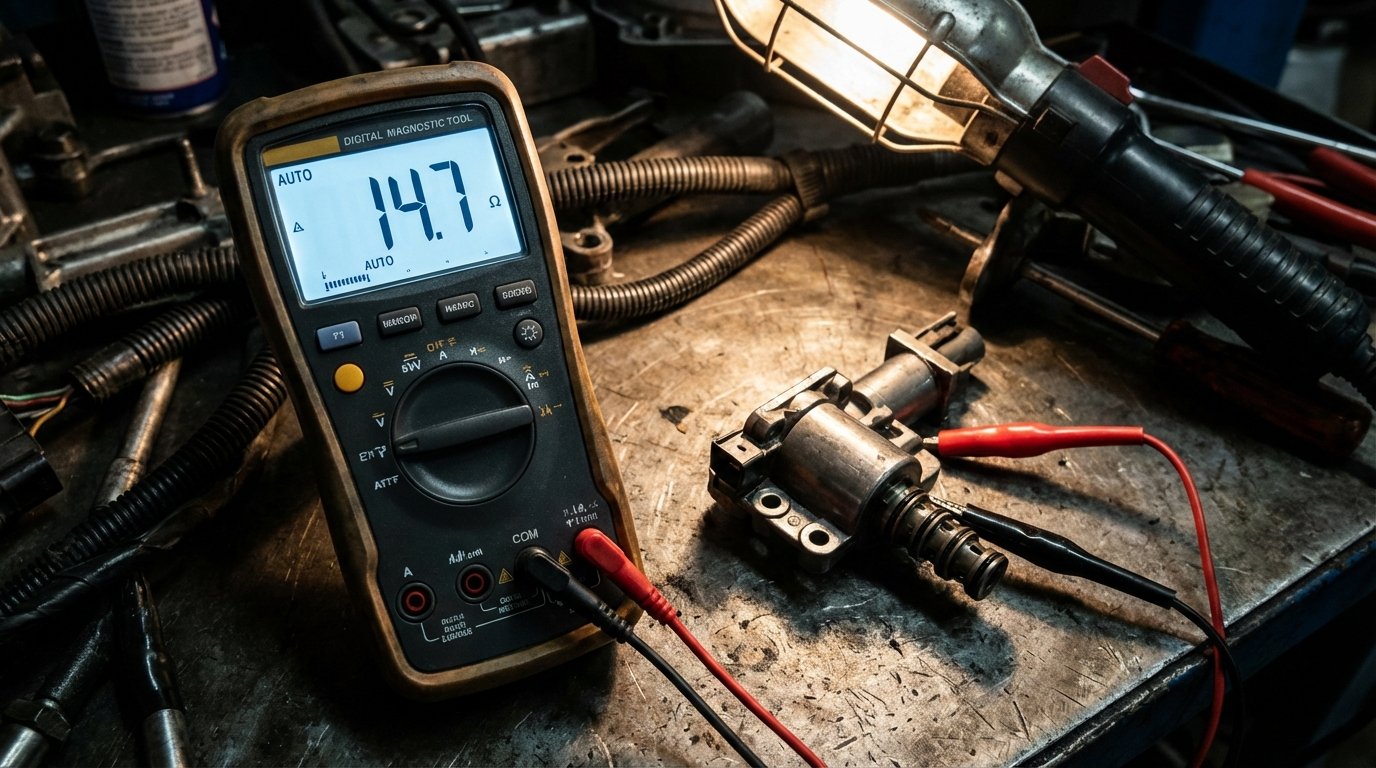
Then follow the unit's hydraulic logic. Confirm that the controller commands the intended solenoid or pressure state, that the circuit can carry current under load, and that the hydraulic response follows the command. A solenoid can pass a resistance check and still stick. A valve-body bore can leak even when the electrical command is correct. A worn clutch can slip even when pressure reaches specification. Each result moves the boundary; none should be assumed from P0730 alone.
08
Internal Damage Needs a Chain of Supporting Evidence
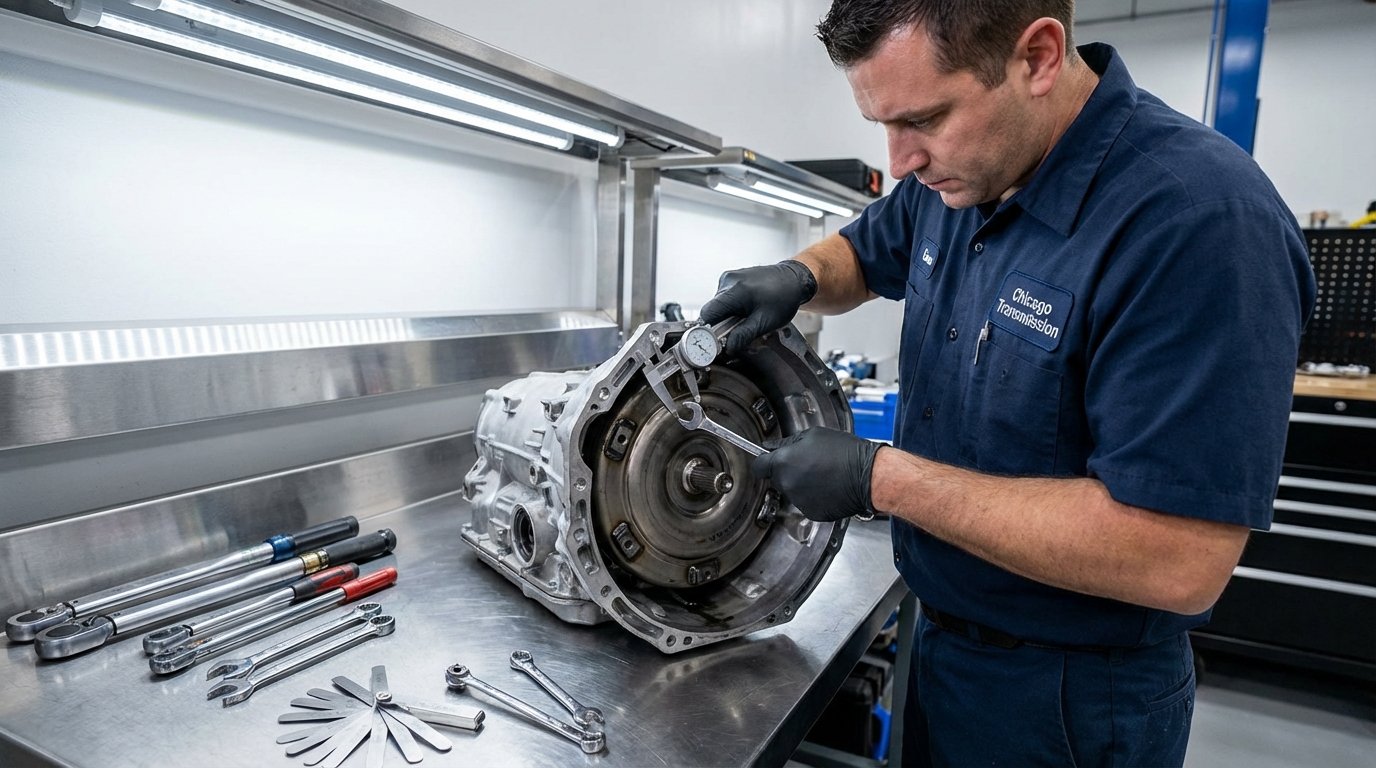
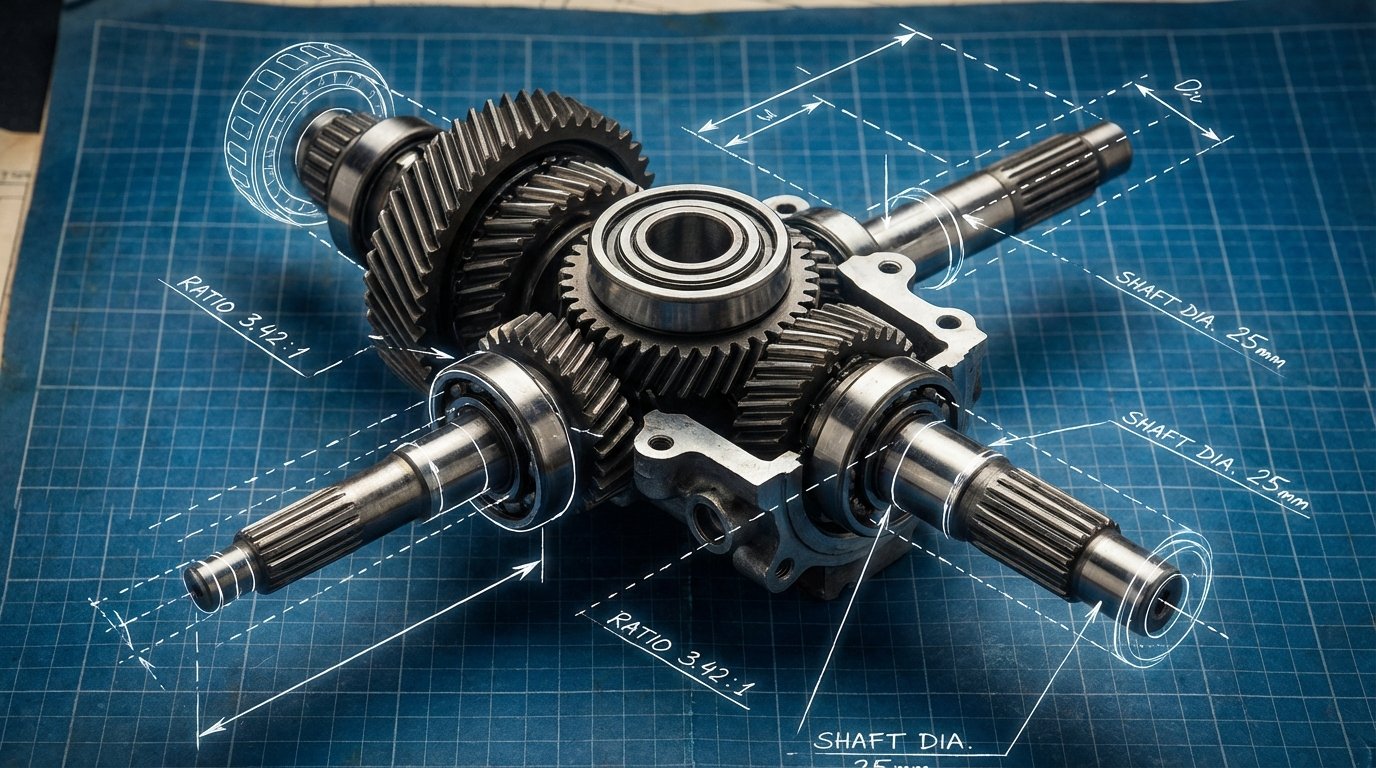
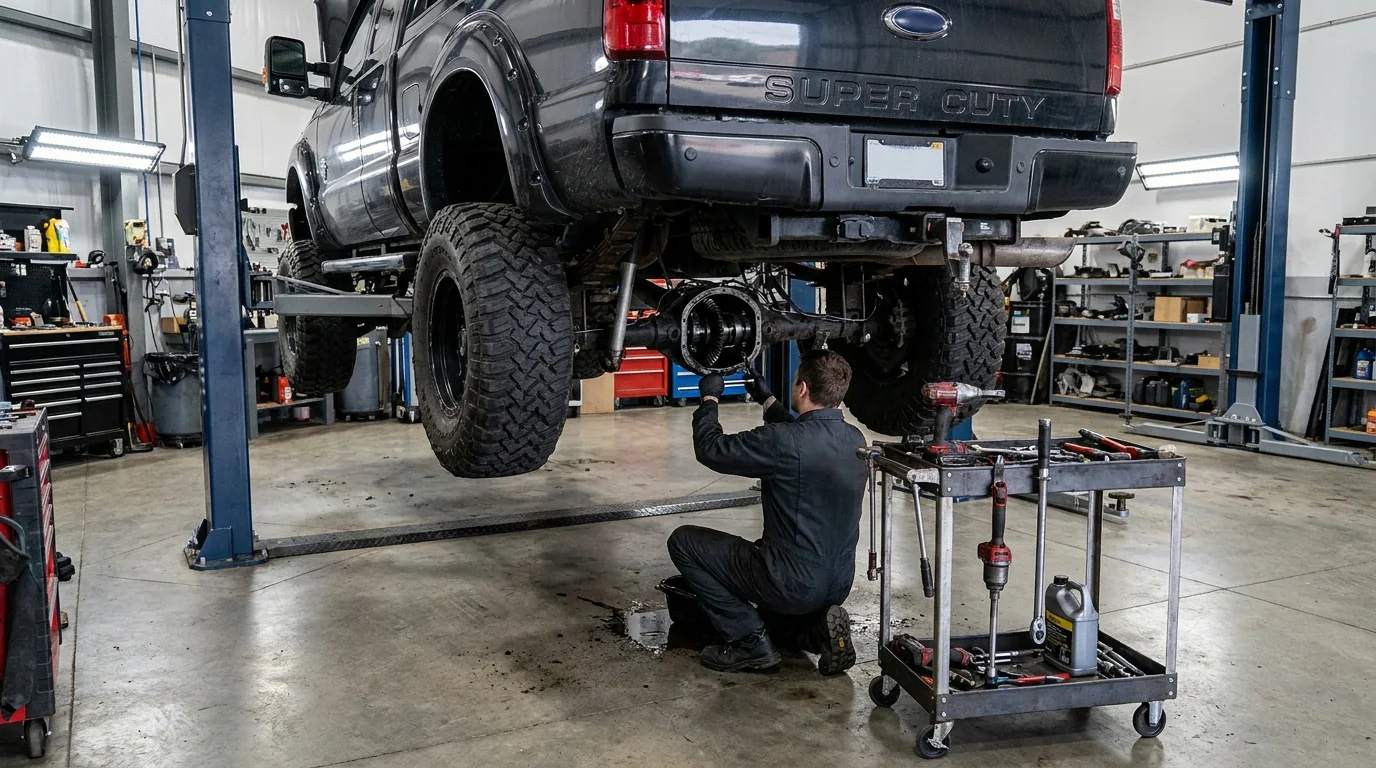
A recommendation for internal repair becomes stronger when the same ratio error repeats under a controlled command, speed signals are proven accurate, fluid supply and pressure control are verified, and the pan contains material linked to the failed function. Loss of one clutch or range, abnormal mechanical noise, converter or pump debris, or a pressure loss that remains after external and valve-body causes are addressed can complete that chain.
The invoice or diagnostic report should connect the evidence to a specific function. 'P0730 means transmission' is not a chain. 'The controller commanded fourth gear, both speed signals were verified, actual ratio drifted as input speed rose, pressure met the applicable test, and the pan contained friction material from the failed clutch' is a testable explanation. Exact wording and procedures vary by unit, but the proof should be understandable.
09
Let the Confirmed Cause Set the Repair Boundary
A focused repair may be enough when testing confirms a battery or ground issue, damaged speed-sensor circuit, connector problem, wrong calibration, applicable software condition, external leak, serviceable solenoid, or valve-body fault without evidence of wider internal damage. The estimate should say what was confirmed, what the repair includes, and what result will prove that the ratio monitor now behaves correctly.
Broader work may be justified when slip or debris shows that a clutch, belt, pulley, gearset, pump, converter, bearing, or other internal component has lost capacity. The decision must also account for contamination in the cooler and lines, programming or relearn requirements, related hard-part damage, and whether the original unit remains a sound rebuild candidate. Separate known work from contingent work before teardown begins.
| Confirmed cause | Likely boundary | Completion evidence |
|---|---|---|
| Power, ground, connector, or harness fault | Circuit repair and terminal or harness correction | Loaded electrical test, stable signals, and no returning ratio event |
| Input or output speed-signal fault | Sensor, target, wiring, or module-input repair as proven | Clean waveform and agreement among engine, input, output, and road speed |
| Applicable calibration or false-state condition | Authorized software or service-information procedure | Correct VIN scope, recorded update, and repeat verification |
| External leak or fluid-level error without damage | Leak repair and exact fluid-level correction | Dry recheck, stable level, correct temperature, and held ratio |
| Solenoid or serviceable valve-body fault | Focused hydraulic-control repair if the unit allows it | Command response, pressure or shift result, relearn, and road test |
| One internal apply element slips with supporting evidence | Internal repair or rebuild scope based on teardown findings | Measured clearances, replaced wear items, clean system, and ratio proof |
| Widespread debris or hard-part damage | Rebuild or verified replacement comparison | Documented installed scope, cooler plan, programming, and final test |
10
When a Rebuild Becomes a Measured Option
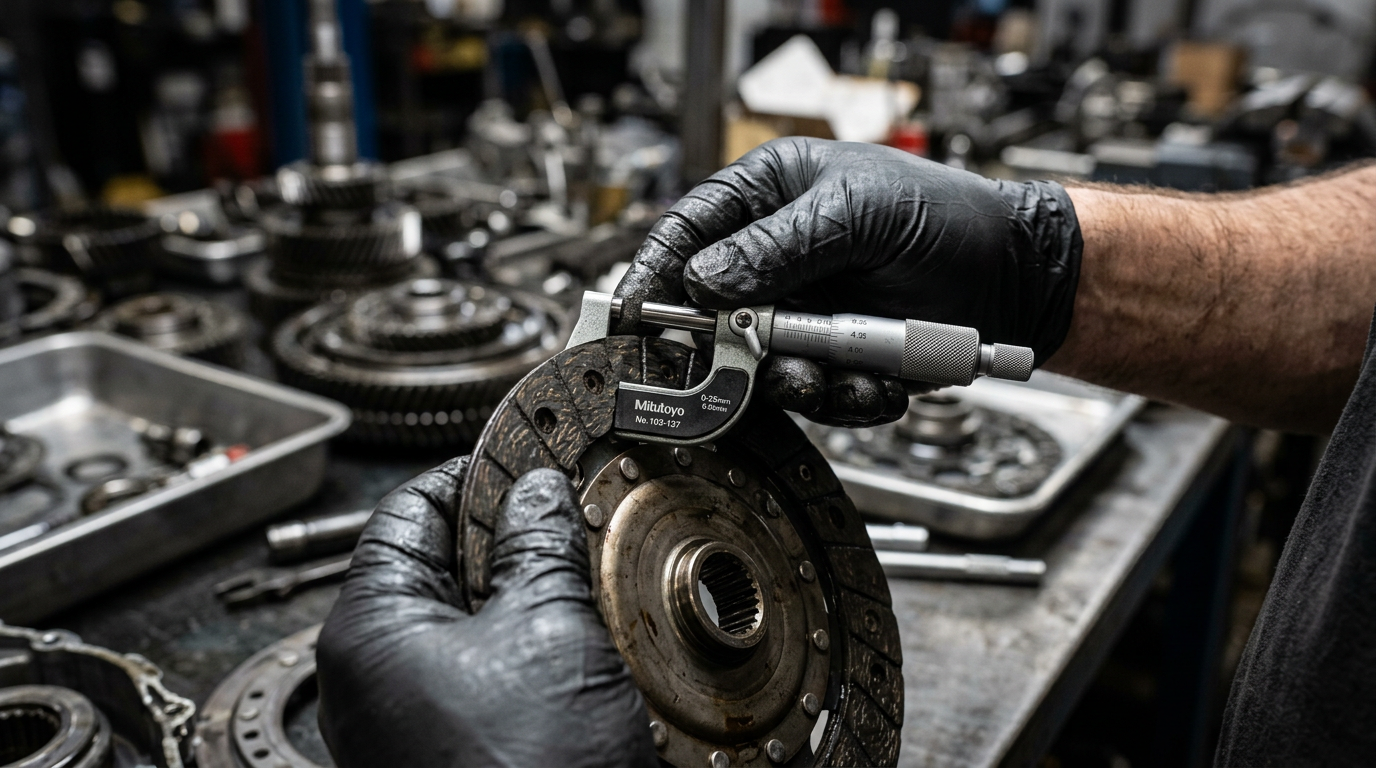
A rebuild enters the discussion when evidence supports internal wear or damage and the original case and major hard parts remain suitable for reconditioning. Ask which frictions, steels, seals, bushings, bearings, sprags, pump parts, solenoids, valve-body checks, converter work, updates, and cooler procedures are included for the exact unit. A generic kit list does not show that the ratio failure was understood.
The estimate should separate the base rebuild from hard parts that can only be judged after disassembly. It should state how additional work is documented and when approval is required. Compare warranty duration, mileage limit, labor coverage, exclusions, and who handles a problem if the vehicle is away from Joliet. Quality depends on diagnosis, cleanliness, measurement, calibration, and final testing, not on the word 'rebuild' alone.
11
Used and Remanufactured Units Must Match the Ratio Strategy
Replacement may make sense when hard-part damage is broad, the original unit is not a good core, or a verified remanufactured option gives a clearer installed timeline. A used unit can lower the starting cost, but donor mileage, storage history, fluid condition, warranty, and exact interchange matter. Verify by VIN, engine, drivetrain, build code, final drive, connector, controller strategy, and calibration rather than model name alone.
Ask whether the converter or clutch module, cooler work, fluid, programming, adaptations, freight, core charge, taxes, and labor are included. A replacement with the wrong ratio or unsupported software can create the same diagnostic problem that led to the quote. The completion plan must prove hardware identity before installation and prove commanded versus actual ratio afterward.
12
What a P0730 Written Estimate Should Separate
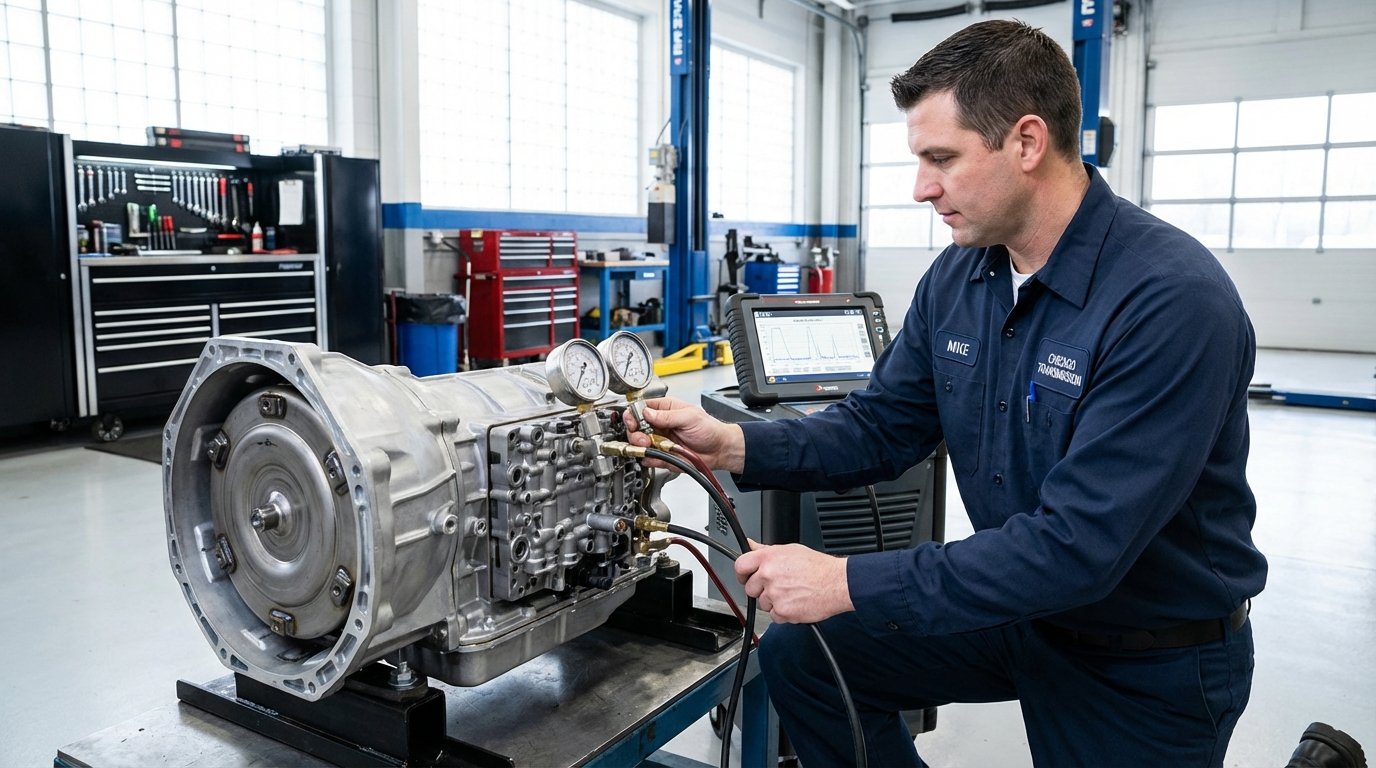
A useful estimate states the failed operating function, the test condition that reproduced it, the evidence that rules out competing causes, and the approval boundary. It should distinguish a firm focused repair from a teardown estimate or a rebuild-versus-replacement comparison. Preserve the scan report, graphs, fluid and pan findings, unit identity, and any source-dated service information that affected the path.
Compare installed totals on the same scope. A low number may exclude diagnosis, fluid, converter or clutch module, cooler work, programming, freight, taxes, hard parts, or labor if a warranty issue returns. Written inclusions make unlike options comparable and protect the point where another authorization is required.
| Estimate line | What it should state | Decision protected |
|---|---|---|
| Diagnostic record | P0730 status, companion codes, event data, and reproduced condition | Prevents a generic ratio code from being sold as a failed unit |
| Unit identification | VIN, engine, drivetrain, hardware code, final drive, and calibration | Prevents interchange and ratio-strategy mistakes |
| Confirmed cause | Signal, circuit, software, fluid, hydraulic, or internal evidence | Connects the proposed work to a measured failure |
| Authorized scope | Parts, labor, access work, fluid, and named procedures | Defines what can be done under the current approval |
| Contingent findings | Possible hard parts, inspection method, and next approval point | Limits open-ended teardown charges |
| Programming and relearn | Software, coding, adaptation, and drive-cycle responsibility | Avoids an incomplete installation or verification |
| Cooler and contamination plan | Flush, flow test, replacement, or reason it is not required | Reduces the chance that debris harms repaired parts |
| Verification and warranty | Repeat ratio test, leak check, invoice proof, coverage, and exclusions | Defines success and the process if the symptom returns |
13
Balance Repair Depth With Vehicle Condition and Downtime
Mileage alone does not decide a P0730 repair. Consider rust, engine and body condition, maintenance history, brakes, tires, suspension needs, current loan balance, replacement vehicle cost, and how long the owner expects to keep the vehicle. A well-maintained high-mileage work vehicle may justify a durable repair. A vehicle with several major needs may call for a narrower diagnosis and a firm spending limit.
Downtime matters around Joliet. An Elwood warehouse worker, an I-55 commuter, a delivery driver, and a family managing school schedules do not have the same tolerance for an uncertain parts timeline. Ask whether the vehicle must remain at the facility during diagnosis, teardown, or sourcing and which costs continue if a major option is declined. The best decision balances evidence, total installed cost, warranty, time, and the condition of the complete vehicle.

14
Prove the Original Ratio Event Is Resolved
Verification should recreate the original condition as closely and safely as possible. Confirm stable module communication, plausible engine/input/output speed signals, correct fluid level at the specified temperature, no active leaks, and the expected commanded and actual ratio through the affected shift or operating range. If programming, adaptation reset, or a relearn applies, the final record should name it.
GM bulletin 19-NA-201 shows why the event record matters: for the bulletin's limited 2019-2020 Chevrolet Malibu VT40 scope with P0730 alone, zero engine rpm in freeze-frame can identify a false code set while the vehicle moved with the engine off, and a customer stall concern changes the path. Hyundai TSB 24-AT-002H uses a different, model-specific incorrect-ratio procedure for listed vehicles. These are not universal fixes. They demonstrate why VIN scope, freeze-frame data, and exact service information must be checked before parts are approved.

15
What to Send Before a P0730 Diagnostic Visit
Send the year, make, model, mileage, engine, drivetrain if known, every code from every reachable module, warning messages, service and repair history, fluid or leak observations, and a plain description of the event. Include the selected range, temperature, load, road speed, engine speed, and whether the tachometer rose without matching acceleration. Mention recent battery, tire-size, programming, controller, or transmission replacement work.
If engagement is unreliable, slip is severe, fluid is leaving quickly, the vehicle overheats, or acceleration is unsafe, ask about towing before another trip. If operation remains stable, preserve the event record and arrange a controlled diagnosis before clearing data or authorizing parts. The next step is to turn the ratio mismatch into a specific cause, a written repair boundary, and a repeatable completion test.
Questions Before Major Work
No. Real internal slip is one possibility, but invalid speed signals, low or aerated fluid, pressure-control trouble, wrong hardware or calibration, software conditions, and unusual engine-off or stall events can also create ratio evidence. The module record and controlled test must separate them.
The code alone cannot make that decision. Stop and ask about towing if the vehicle will not engage, slips badly, loses acceleration, overheats, leaks heavily, or shifts violently. Stable operation still deserves prompt diagnosis before a longer I-55 or I-80 trip.
Low fluid can reduce pump supply, aerate the fluid, delay an apply, or reduce clutch capacity enough to create a ratio error. The level must be checked with the exact unit-specific temperature and fill procedure, and the leak or loss source still needs to be identified.
A maintenance service cannot repair a failed speed circuit, wrong calibration, sticking valve, worn clutch, damaged belt or pulley, or other internal failure. Fluid level, type, condition, and debris are diagnostic evidence. Service should be recommended only from the exact unit and confirmed findings.
Preserve code status, occurrence count, engine speed, input or turbine speed, output speed, commanded and actual gear, temperature, throttle, pressure command, companion codes, and unit or calibration identity. The timing of those values during the event is more useful than the code description alone.
The original operating window should be repeated safely while the controller holds the expected ratio with plausible speed signals, correct fluid level, stable communication, no active leak, and no returning fault. The invoice should record any programming, relearn, and warranty terms.
Turn the ratio mismatch into a measured repair decision.
Send the vehicle details, complete module-code record, exact shift behavior, fluid or leak observations, recent repair history, and the Joliet-area condition where P0730 appeared. Use that evidence to decide between towing, circuit or hydraulic testing, a focused repair, internal work, rebuild, or verified replacement.